
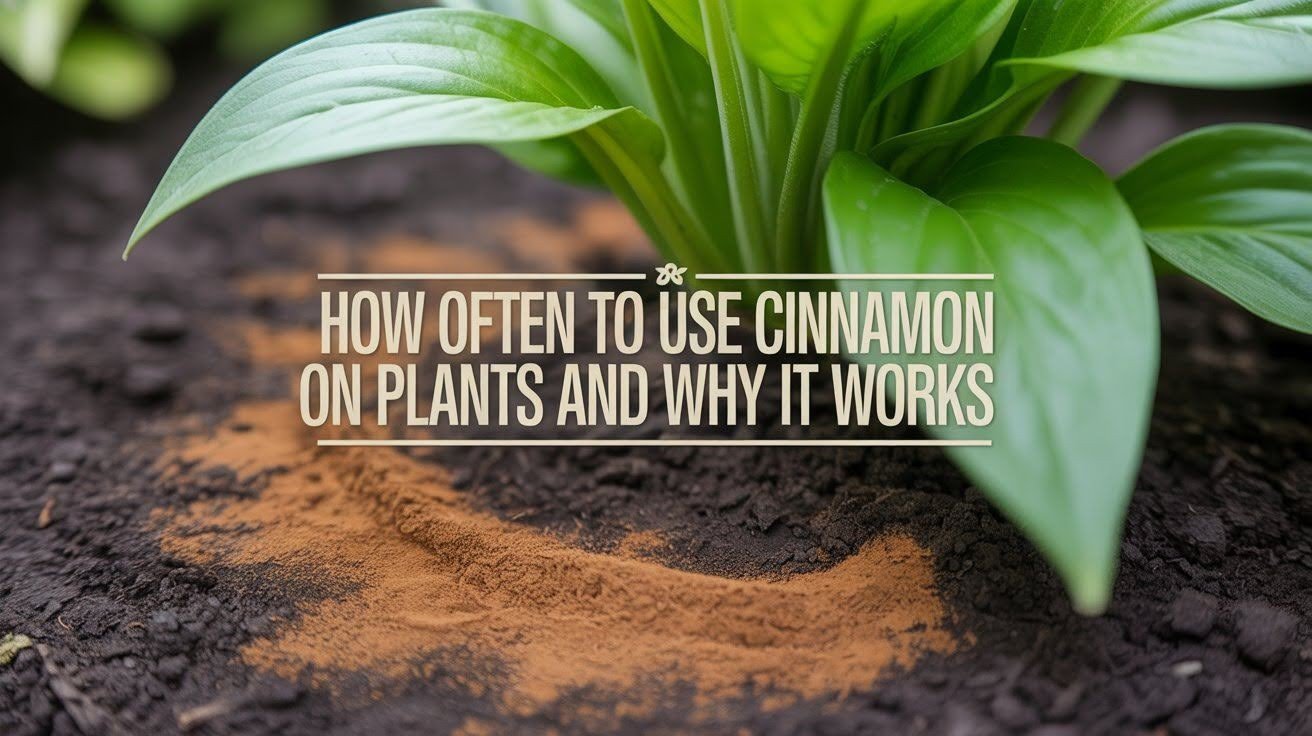
Looking for a natural way to keep your garden healthy? You might be surprised to learn that a common kitchen spice can work wonders for your plants. Cinnamon isn’t just for baking anymore.
This brown powder sitting in your spice rack has real benefits for gardeners. It can protect young seedlings, fight off pests, and even help cuts on your plants heal faster. But here’s the big question most people ask: how often should you actually use it?
In this blog, we’ll answer exactly how often to use cinnamon on plants for different problems. We’ll also look at seven ways this spice can make your garden stronger and healthier. Let’s get started.
How Often to Use Cinnamon on Plants?
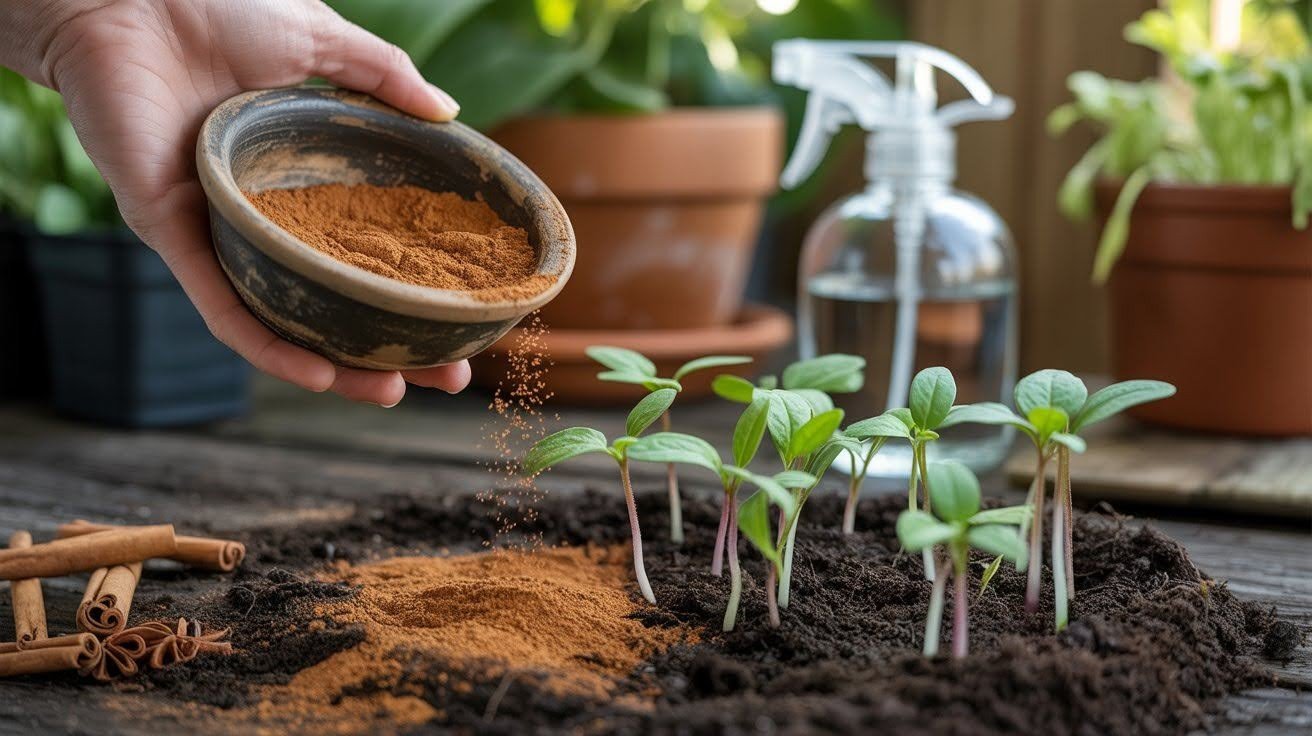
Cinnamon is more than a kitchen spice. It helps stop fungal growth, protects seedlings, supports root growth, keeps pests away, and heals plant wounds. Here is how often to use it for each purpose:
| Purpose | How Often to Apply | Notes |
| Seedlings (stop damping off) | Once | Mix into seed-starting soil before planting. |
| Fungal problems (rust, slime mold) | Twice per week | Treat mild infections. Remove heavily infected plants. |
| Ant control | Every 3 to 5 days | Reapply after rain or when the barrier is gone. |
| Rooting new cuttings | Once | Dip the cut end in powder before planting. |
| Plant wounds (pruning, broken branches) | Once | Dust immediately on the wound. |
| General pest barrier | Once a month | Refresh when pests return or after rain. |
Benefits of Using Cinnamon on Plants
Now that you know how often to use cinnamon on plants, let’s look at why it works so well. These seven benefits show just how useful this spice can be in your garden.
Protects Seedlings from Damping Off Disease
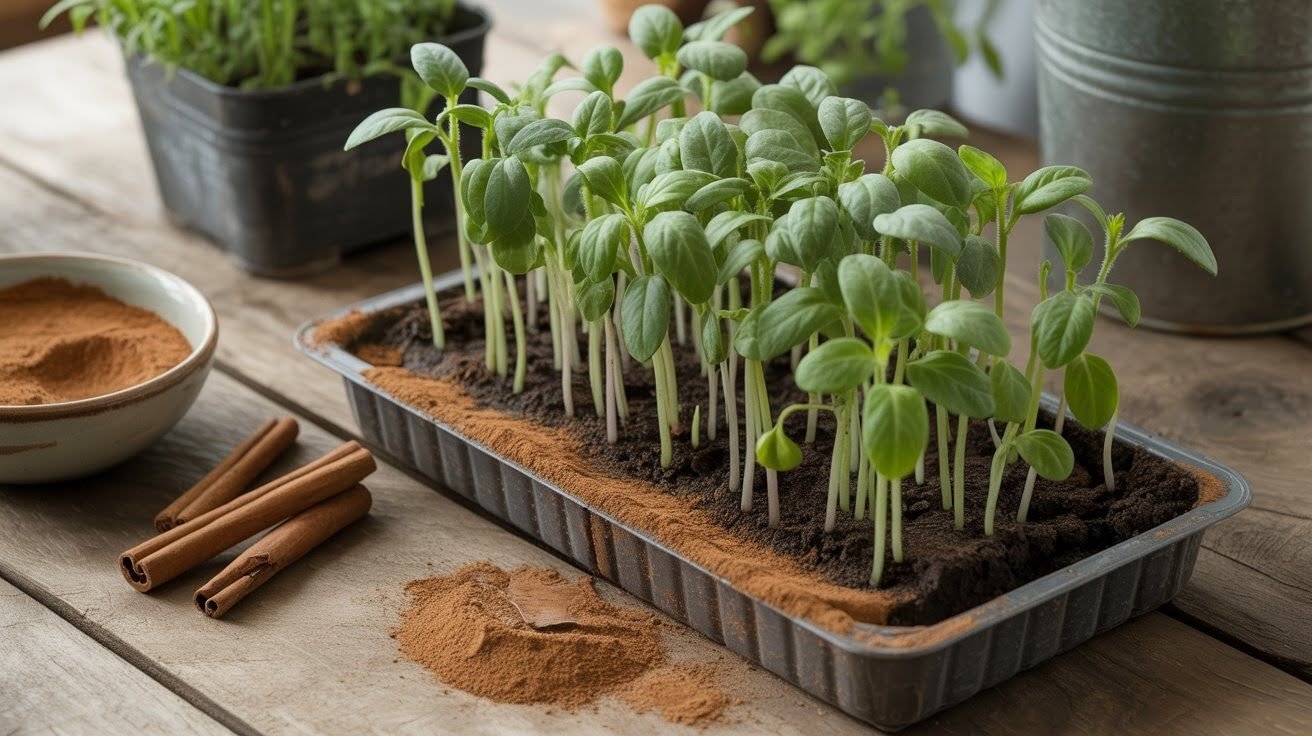
Young seedlings face a serious threat called damping off disease. This fungal infection kills baby plants before they get a chance to grow strong. The fungus attacks the stems right at the soil level, causing them to rot and fall over.
Cinnamon stops this disease before it starts. Mix the powder into your seed-starting soil before planting. The natural compounds in cinnamon kill the fungus without harming your seeds. As a bonus, cinnamon also keeps fruit flies away from your indoor seed trays.
Natural Anti-Fungal Treatment
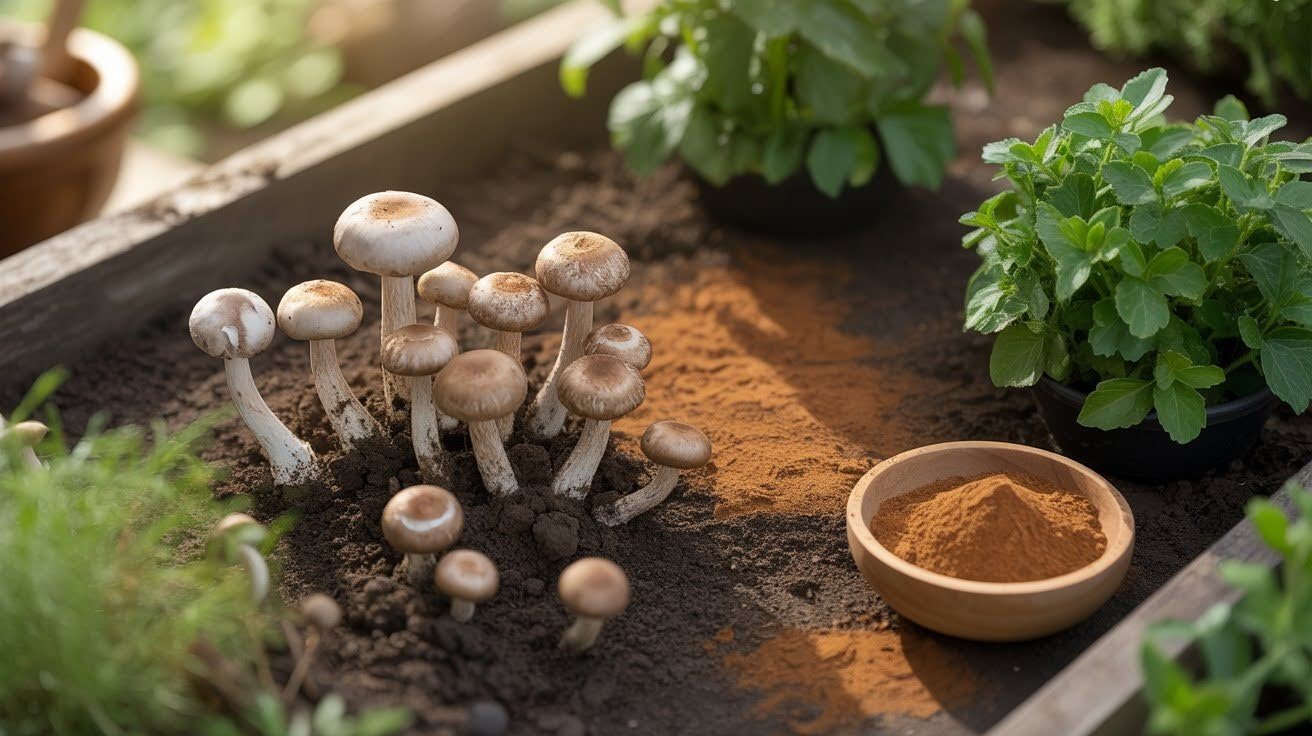
Mushrooms popping up in your garden beds? Cinnamon can get rid of them in just 24 hours. Sprinkle the powder directly on the mushrooms and around their base. The spice kills the fungal growth quickly and safely.
This treatment also works on rust disease in soil and slime mold on mature plants. Apply it directly to affected areas twice per week. However, if a plant is heavily infected and dying, it’s better to remove it completely. Cinnamon works best for mild to moderate fungal problems.
Acts as a Rooting and Grafting Agent
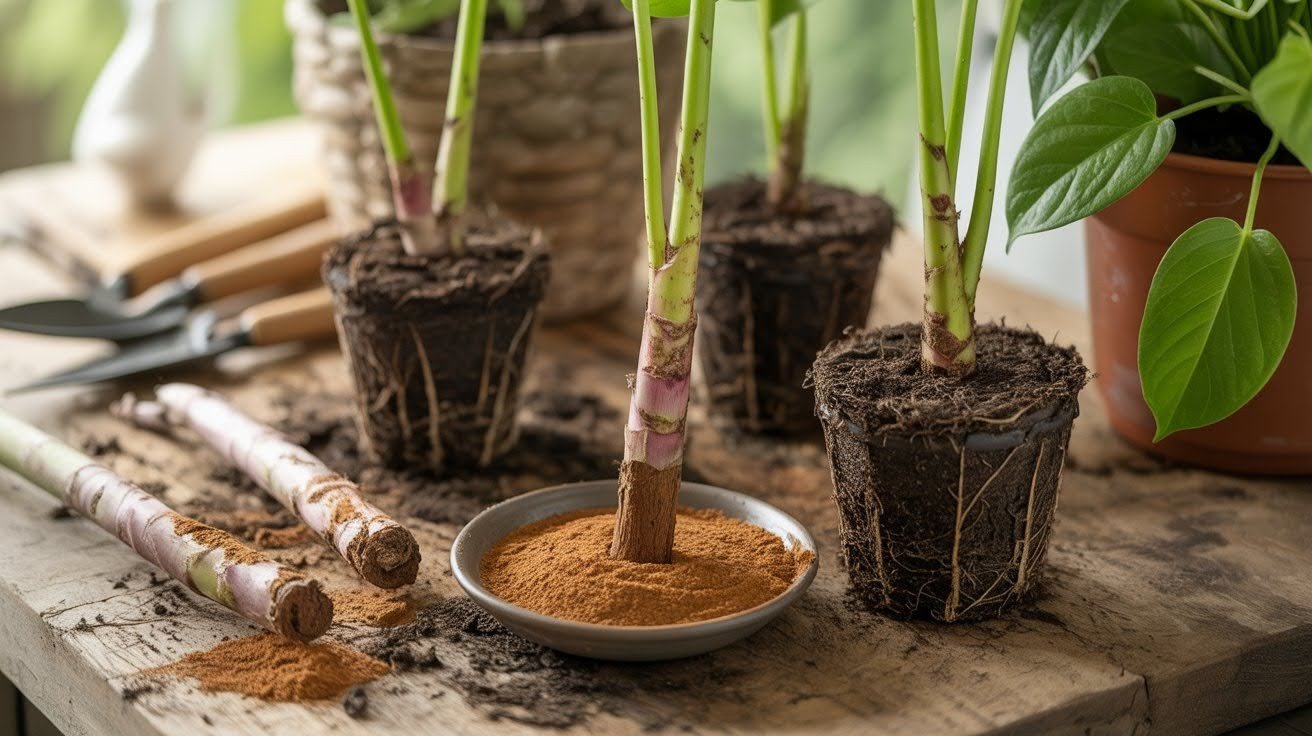
Want to grow new plants from cuttings? Cinnamon helps roots form faster and stronger. The spice contains compounds that stimulate root development in stem cuttings. It also protects the vulnerable cutting from fungal infections while roots are forming.
To use it, dip the damp end of your cutting in cinnamon powder before planting. Make sure the whole cut surface gets covered. This method works great for starting new plants from your favorites. It also helps grafts heal and take hold without getting infected.
Controls Ant Infestations
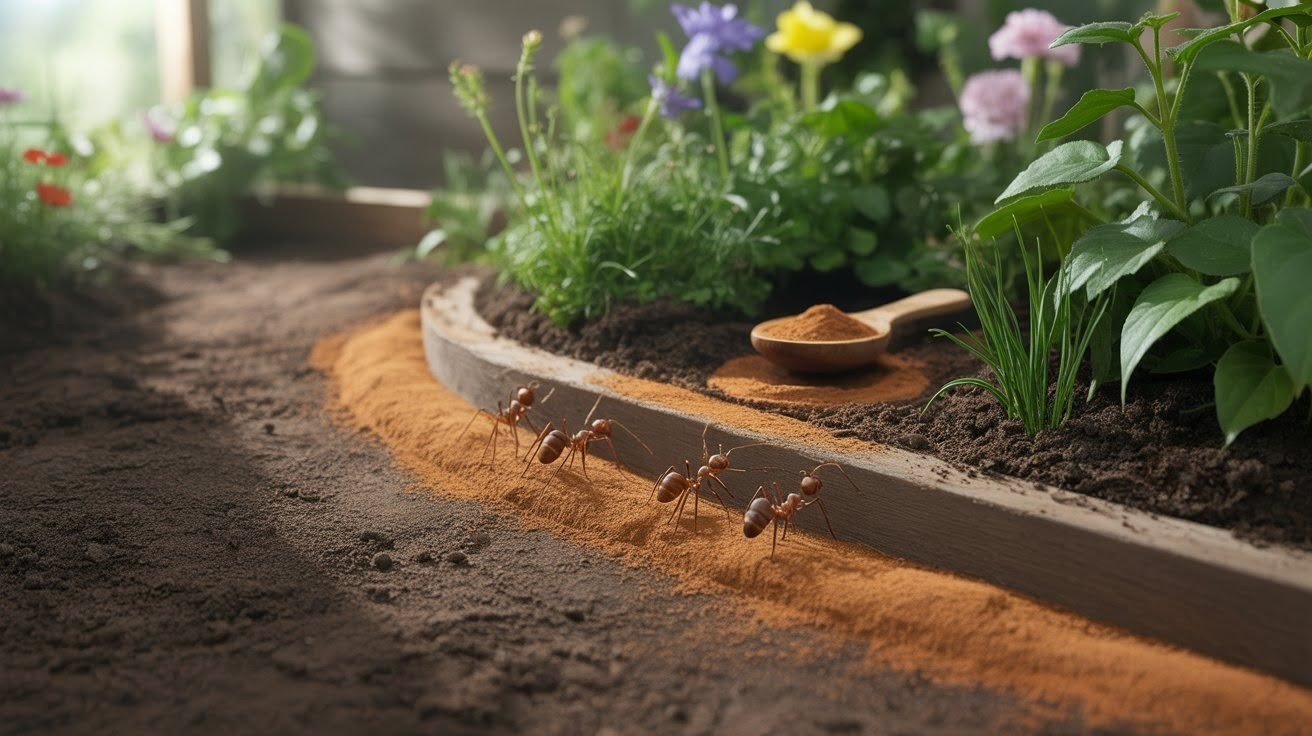
Ants can be a real problem in gardens, but harsh chemicals hurt helpful insects too. Cinnamon offers a better solution. The strong smell and taste keep ants away without killing bees, butterflies, or other pollinators.
Sprinkle cinnamon around the outside edge of your garden beds to create a barrier. You can also put it directly on ant mounds. For kids’ sandboxes or play areas near the garden, cinnamon keeps ants out safely. Remember to reapply after rain or every few days for best results.
Promotes Plant Wound Care
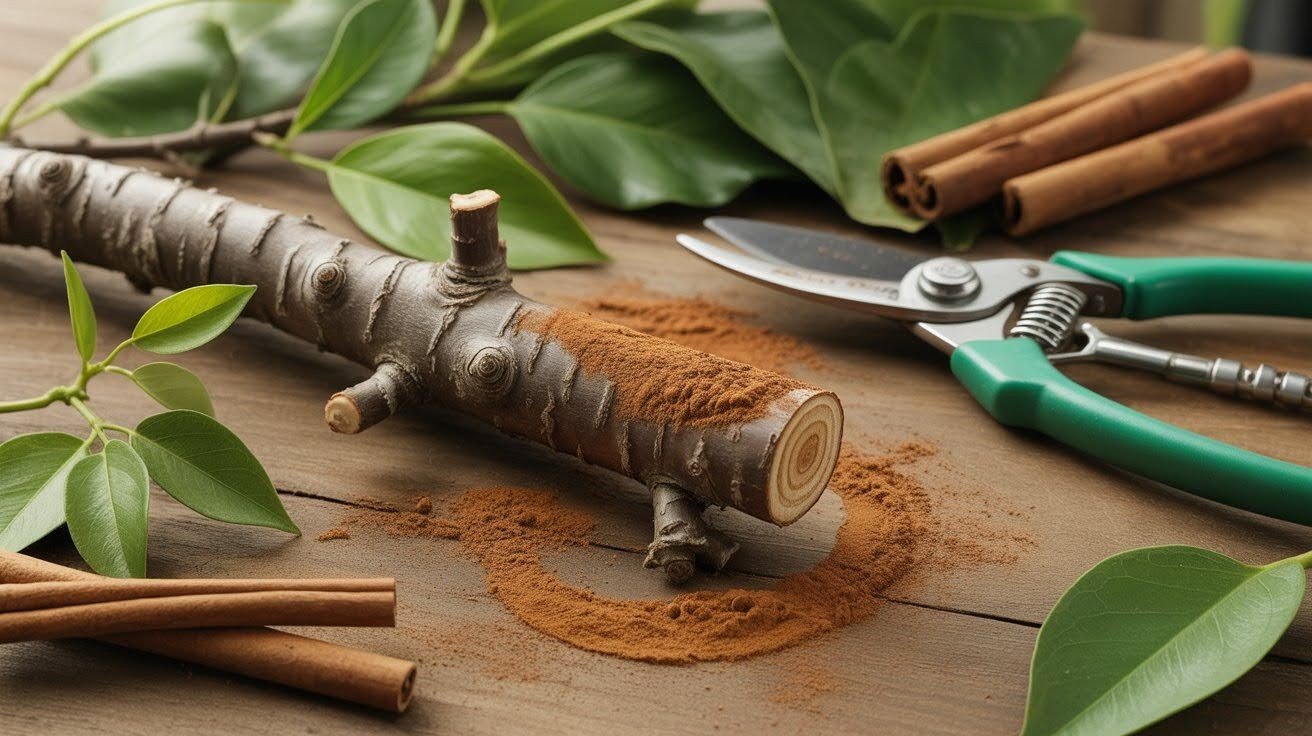
Plants get hurt just like we do. Pruning, broken branches, and accidental damage create open wounds. These openings let fungus and disease get inside your plants. Left untreated, a small injury can lead to big problems.
Cinnamon seals and protects plant wounds naturally. After you prune or notice an injury, apply cinnamon powder right away. Use a small paintbrush or your finger to dust the powder over the cut surface. The spice creates a barrier that blocks infection while the plant heals itself.
Deters Large Garden Predators
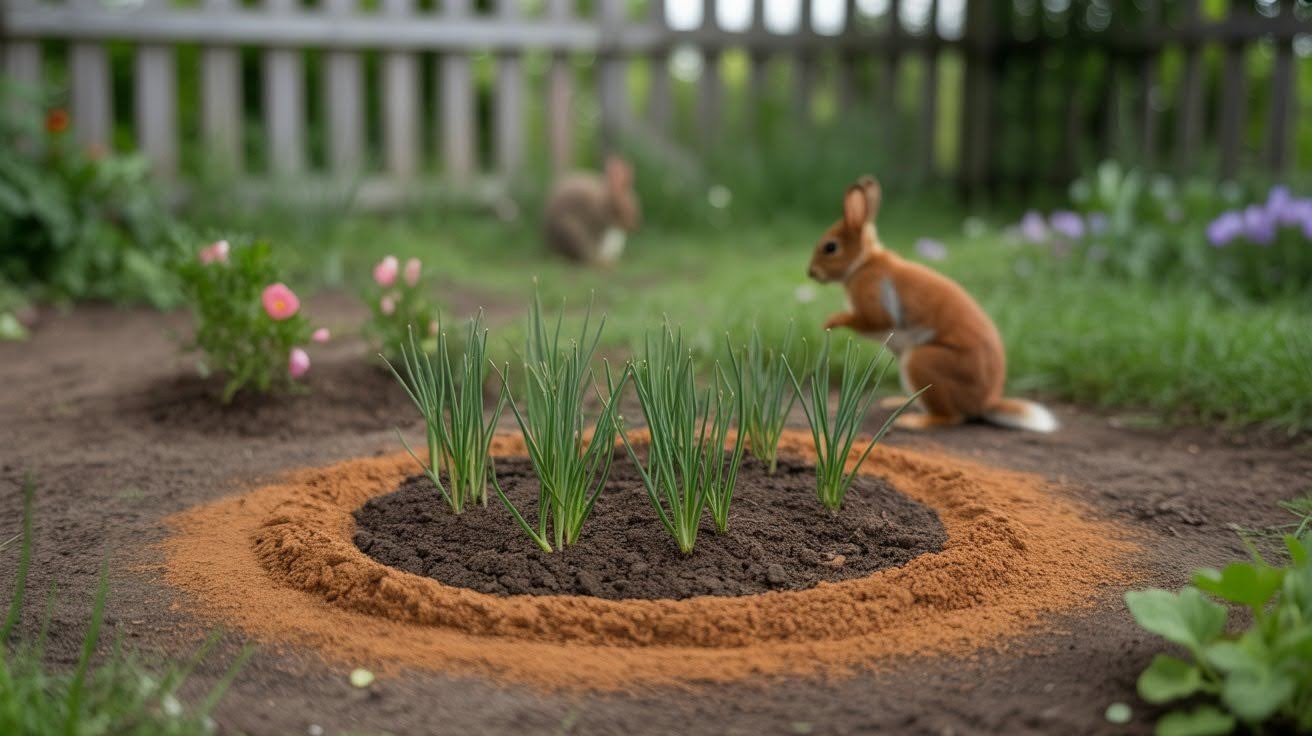
Squirrels, rabbits, mice, and rats love munching on garden plants. These animals have sensitive noses and mouths. Cinnamon irritates their mucus membranes, which makes them stay away from treated areas.
Create a protective border around your plants by sprinkling cinnamon in a circle. Apply it along fence lines and garden edges, too. The animals will smell it and choose to eat somewhere else. You’ll need to refresh this barrier regularly, especially after rain or heavy wind.
Provides an Affordable Fungicide Alternative
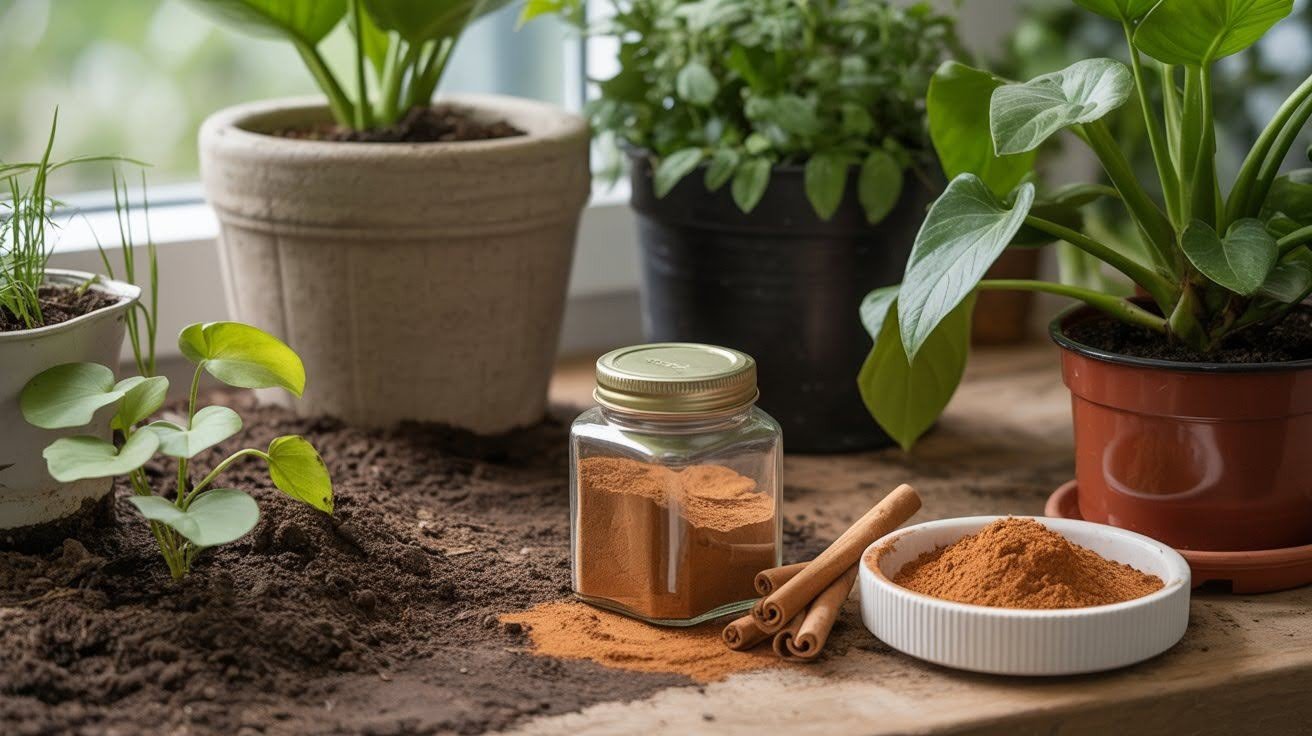
Commercial fungicides can be expensive and contain harsh chemicals. A big container of cinnamon costs much less and lasts for many applications. You can often find it in bulk at discount stores or online.
Cinnamon is gentle enough for all plant types, from vegetables to flowers to houseplants. It won’t burn leaves or damage roots like some chemical treatments can. Plus, it’s safe for the environment, pets, and people. When you consider how often to use cinnamon on plants for different problems, the low cost makes it an even better choice.
Tips for Using Cinnamon in Your Garden
Getting the most out of cinnamon means using it the right way. Here are some practical tips to help you succeed.
Buy your cinnamon in large containers or bulk bags. This saves money and ensures you always have enough on hand. Check restaurant supply stores or online retailers for the best deals.
- Always use powdered cinnamon, not cinnamon sticks
- Store cinnamon in an airtight container to keep it fresh and strong
- For foliar spray, strain the mixture through a coffee filter to prevent nozzle clogs
- Apply treatments in the early morning or evening to avoid the hot sun
- Reapply after heavy rain washes away pest barriers
- Test a small area first if you’re worried about plant reactions
- Coffee filters work better than sieves for straining spray bottles
Following these simple guidelines will help your cinnamon treatments work better. Most gardeners find that with a little practice, using cinnamon becomes second nature.
Conclusion
The question of how often to use cinnamon on plants doesn’t have one simple answer. It depends on what you’re treating. Seedlings need just one application. Fungal problems require twice-weekly treatments. Pest control needs to be refreshed monthly.
What makes cinnamon so great is how many different ways you can use it. From protecting baby plants to healing wounds to keeping pests away, this one spice handles many garden challenges. It’s safe, cheap, and effective.
Try different applications and see what works best in your garden. Every yard is different, and you’ll learn what your plants need. Using natural solutions like cinnamon helps you grow a healthier garden while being kind to the environment. Your plants (and your wallet) will thank you.
Frequently Asked Questions
Can Cinnamon Harm Plants If Used Too Frequently?
Cinnamon is very safe for plants, even with regular use. The spice won’t burn foliage or damage roots. However, using too much powder can create a thick layer that blocks air and water from reaching the soil. Use light dustings instead of heavy piles.
Does Cinnamon Work Better Than Commercial Rooting Hormone?
Cinnamon works well for many plants, but it isn’t as strong as commercial hormones. It protects cuttings from fungus while helping roots form. For easy-to-root plants, cinnamon does the job. For difficult plants, commercial products may work faster. Many gardeners use both together.
Will Rain Wash Away Cinnamon Applied to Soil?
Yes, rain will wash cinnamon away over time. Heavy storms remove it quickly. Light rain may leave some behind. For ant control or pest barriers, reapply after any significant rainfall. Soil treatments mixed into the ground last longer than surface applications.
Can I Use Cinnamon on Edible Plants and Vegetables?
Absolutely. Cinnamon is completely safe for food crops. It won’t make your vegetables taste like cinnamon or create any health concerns. Many gardeners use it on tomatoes, peppers, herbs, and other edibles. Just rinse your produce normally before eating.
What Type of Cinnamon Is Best for Gardening Purposes?
Any powdered cinnamon works fine for gardening. Ceylon and Cassia cinnamon both have anti-fungal properties. Cassia is cheaper and more common in stores. Buy the most affordable option since you’ll use larger amounts in the garden than in cooking. Avoid cinnamon sticks since powder is easier to apply.