
Once you have planted carrots and thought about it, are those green shoots carrots or just weeds? Surely, you are not the only person to think that! Sometimes the tops of carrots can deceive the growers, particularly at the very beginning, when they look nothing like the ones that are expected.
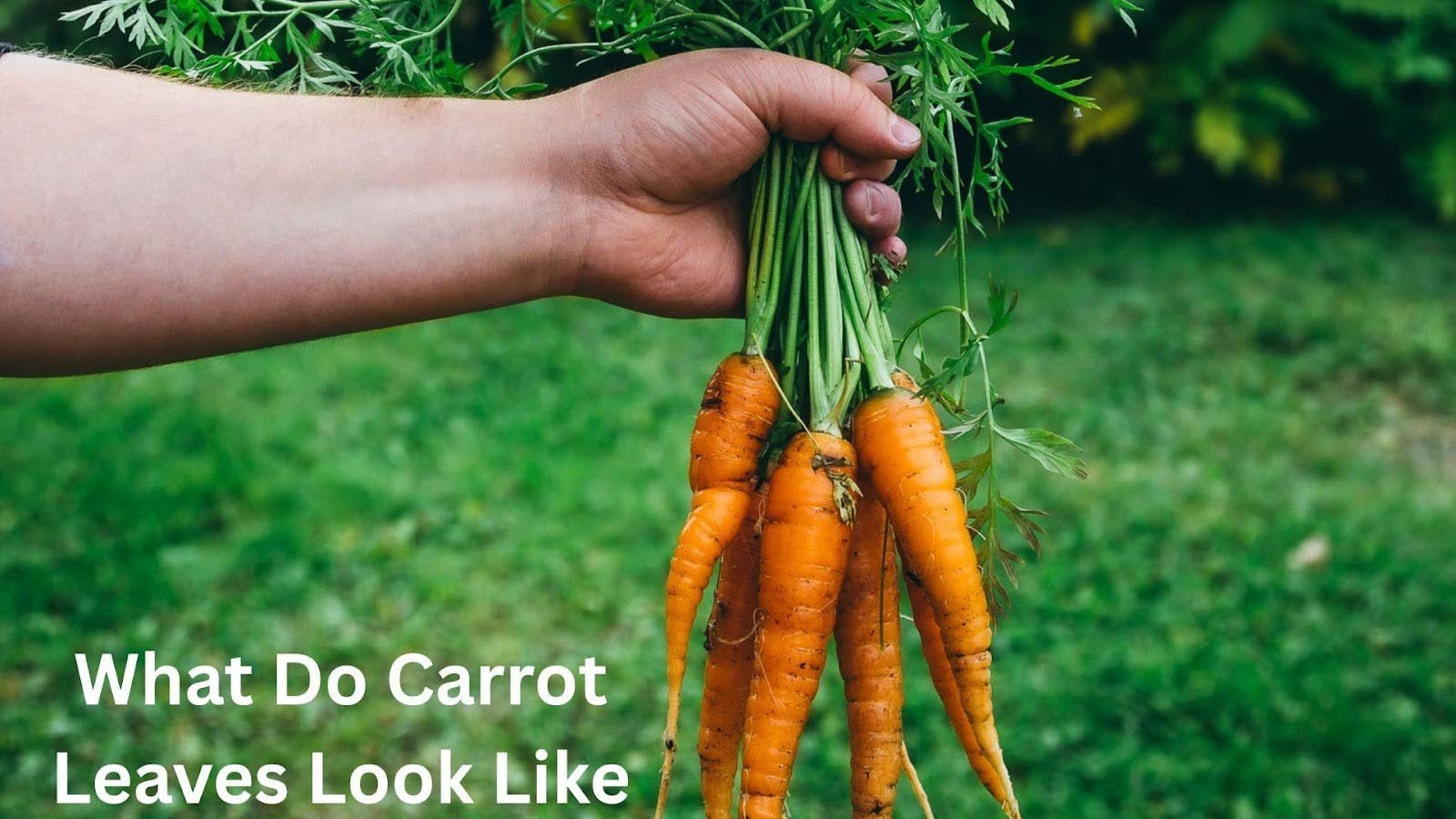
Carrot leaves are very delicate, resemble a small fern, and are bright green. The leaves change a lot as the plant grows, from a tiny grass-like shoot to large, divided leaves.
So here I come with a complete guide on how to tell the difference between carrot leaves at different stages from nursery to harvest. I would choose the metaphor of two things: the gradual change of the carrot leaf.
What Do Carrot Leaves Look Like?
Carrot leaves are feathery and fern-like with a bright green color. They grow in clusters with thin, delicate stems that branch out into many small, divided sections. From a distance, they might remind you of parsley or cilantro, which is why many new gardeners mix them up.
The leaves have a lacy appearance with multiple fine divisions along each stem. Each leaf is made up of several smaller leaflets that give it that characteristic feathery look. The stems are slender and slightly hairy, not smooth like some other plants.
As your carrot plant grows, the leaves become fuller and bushier. Early on, they’re small and simple. Later, they develop into thick clusters of finely cut foliage that can reach up to a foot tall. The overall look is soft and delicate rather than stiff or waxy.
Identifying Carrot Leaves at Different Growth Stages
Watching your carrots grow means spotting the changes in their leaves from week to week, and knowing what to look for helps you track their progress.
Early Sprouts (Seedling Stage)
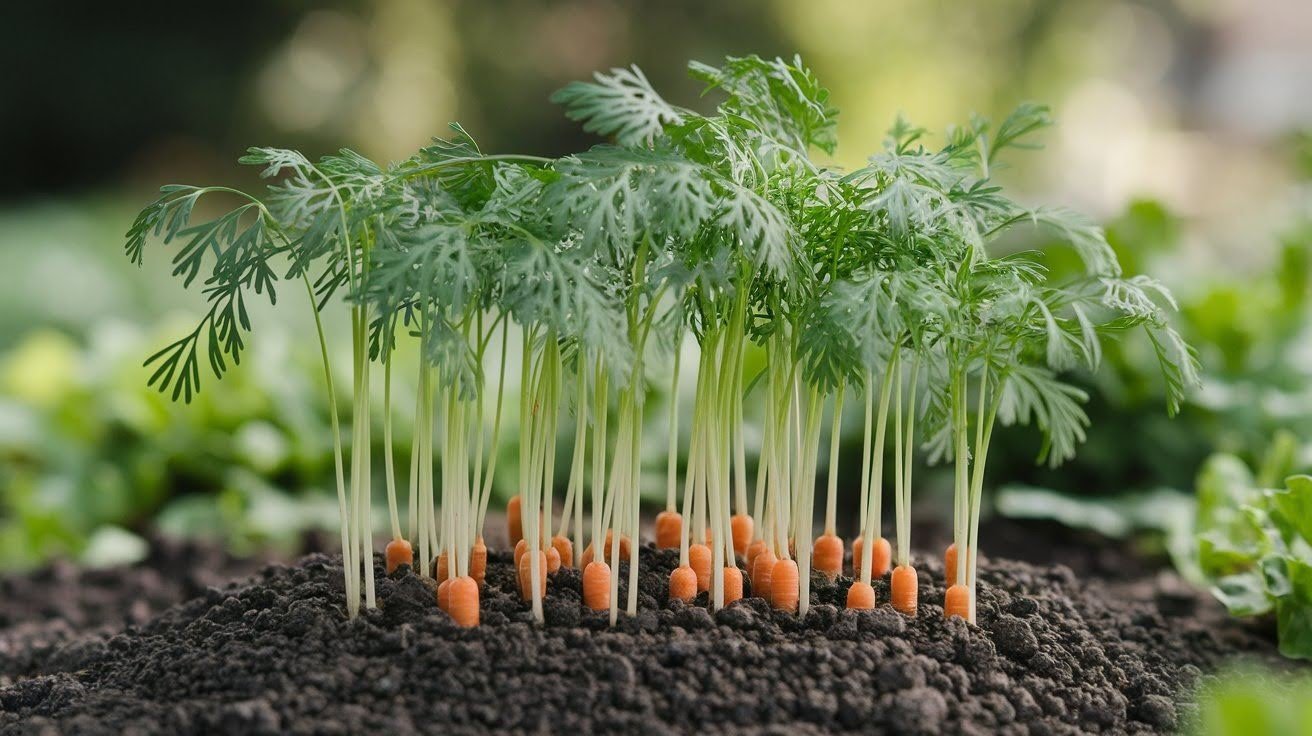
When carrot seeds first sprout, you’ll see thin, grass-like shoots poking through the soil. These early sprouts are surprisingly delicate and easy to miss among other plants in your garden. Many gardeners accidentally pull them out, thinking they’re weeds.
The very first leaves you see are called seed leaves or cotyledons. These are small, smooth, and oval-shaped, nothing like the mature carrot leaves. They’re bright green and appear in pairs, looking almost like tiny paddles sticking up from the soil.
At this stage, understanding what carrot leaves look like requires patience. The true carrot foliage hasn’t appeared yet. Give these little sprouts a week or two, and you’ll start to see the real leaves forming between the seed leaves.
True Leaves Formation
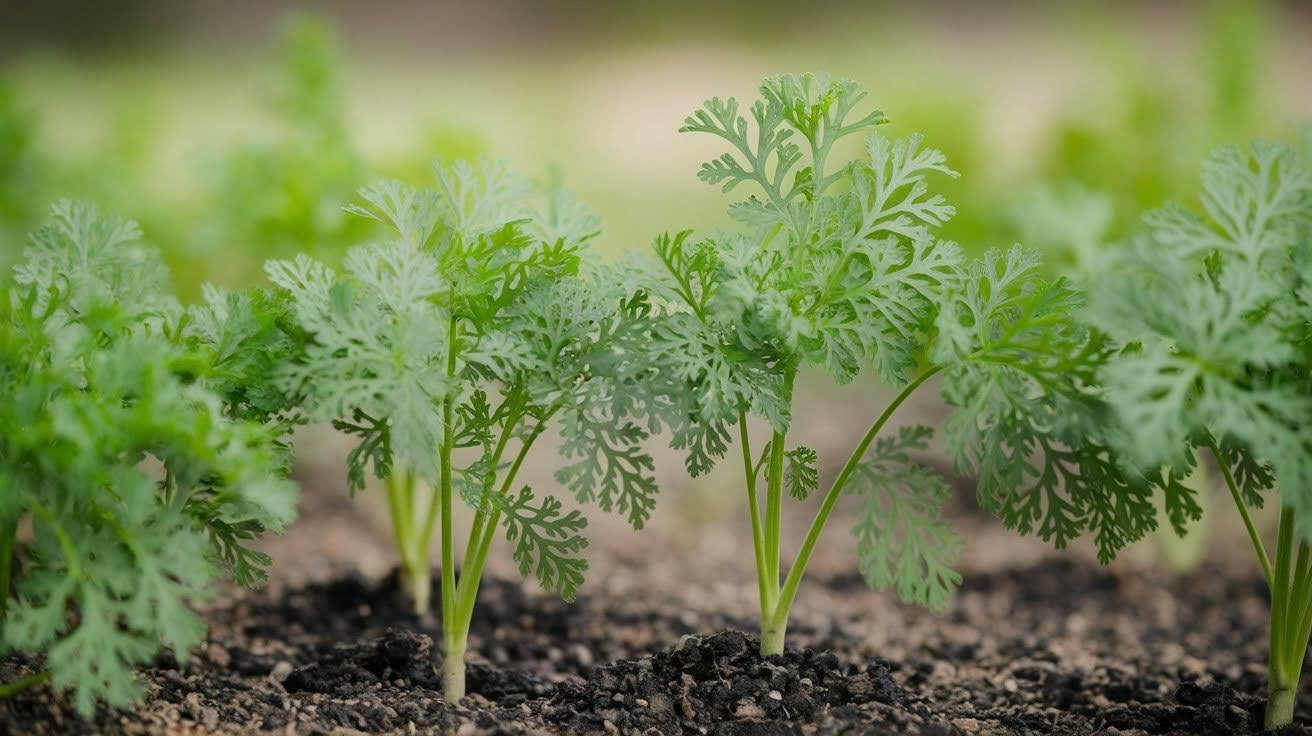
True leaves are your first glimpse of actual carrot foliage. They start appearing about two weeks after germination, growing between those smooth seed leaves. This is when you can finally recognize them as carrots.
These first true leaves are feathery and deeply divided, though smaller than mature leaves. They’re fresh green in color and have a soft, fine texture. You might see two or three sets of these leaves before the plant really takes off.
The divided pattern becomes clear at this stage. Each leaf splits into smaller sections, creating that fern-like look. The texture is delicate, and the leaves feel soft when you touch them, not tough or waxy like some vegetable plants.
Mature Carrot Leaves
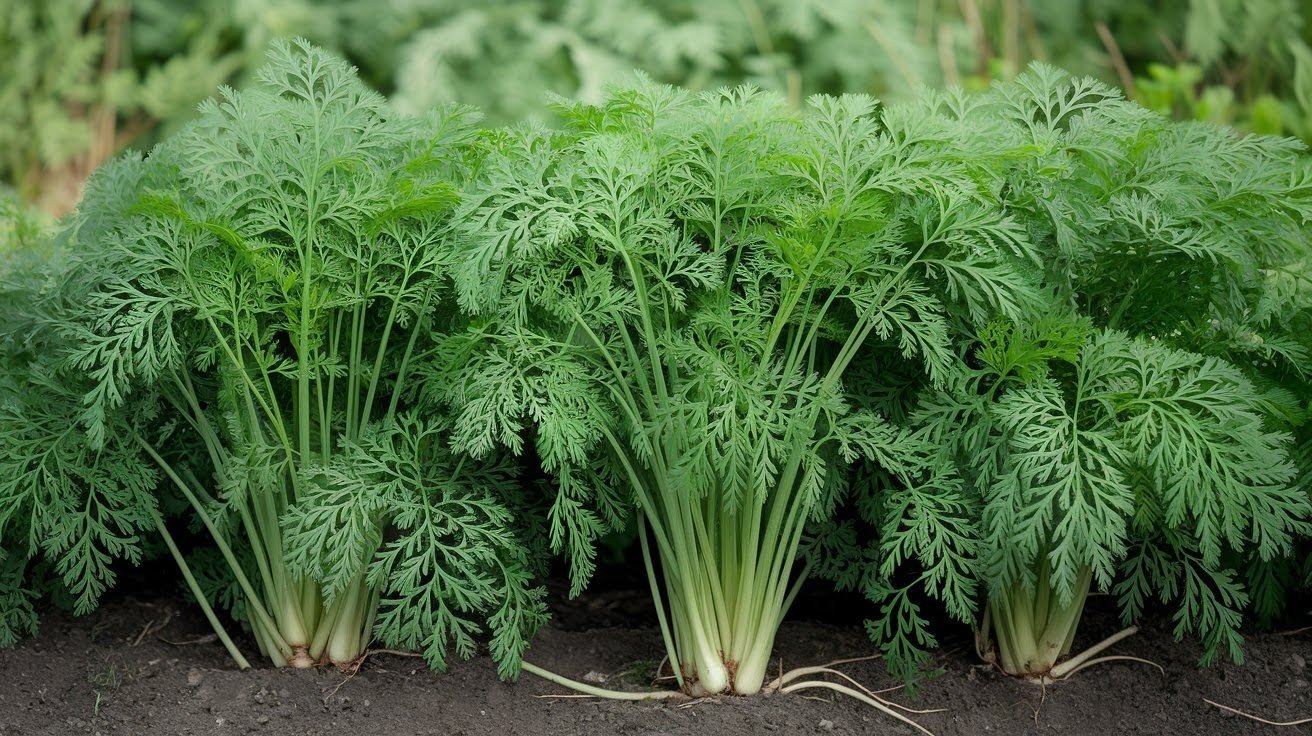
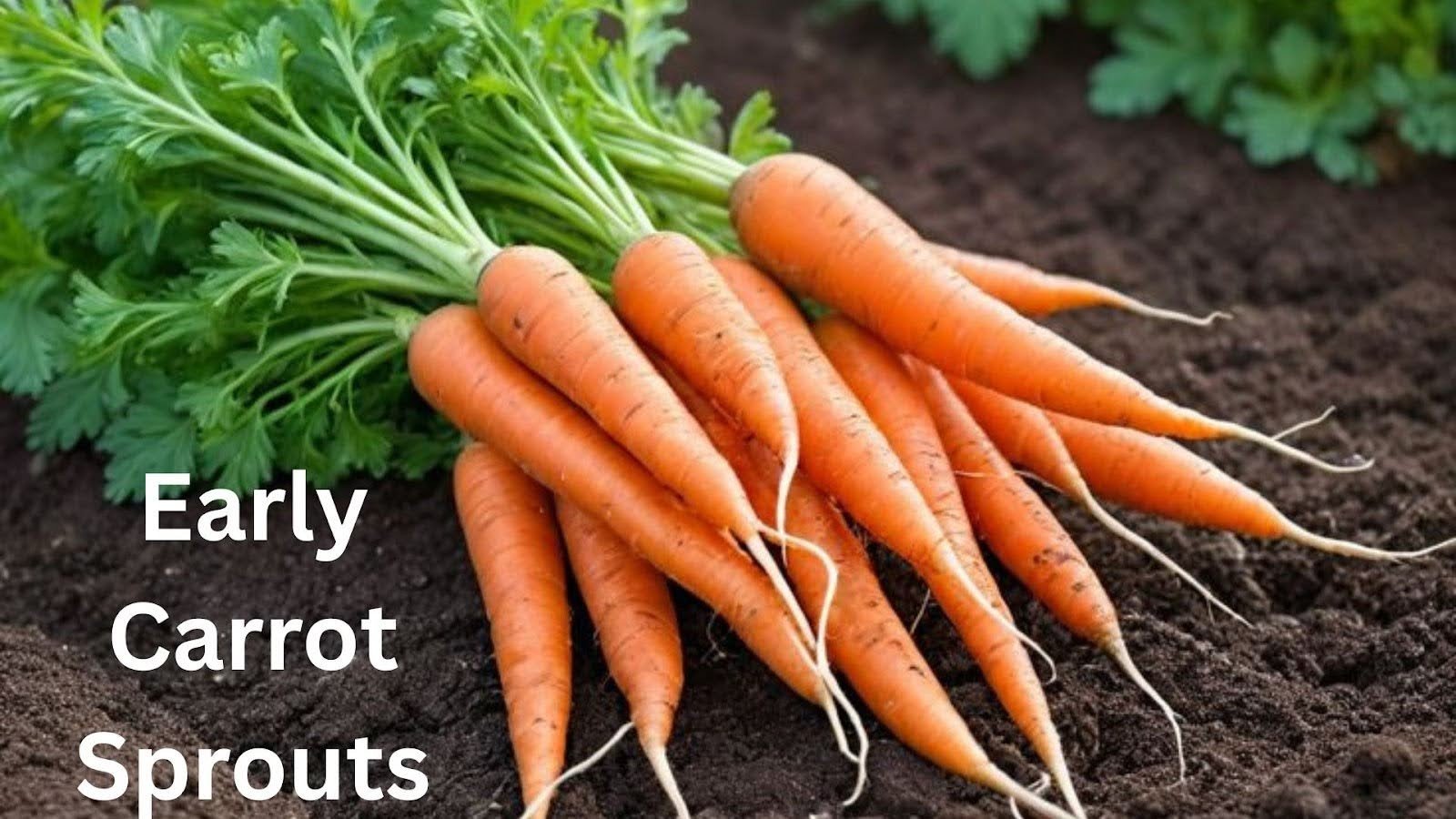
By the time your carrots are fully growing underground, the top growth becomes bushy and impressive. The leaves are now deep green, thick, and fern-like, spreading out in all directions. This is what most people picture when they think about what carrot leaves look like.
Mature carrot leaves can grow up to 12 inches tall, sometimes even taller in good conditions. The foliage forms a dense cluster with many stems branching from the center. Each stem holds multiple divided leaves that create a full, lush appearance.
Healthy, mature leaves are a good sign that your carrots are developing well underground. Strong, upright foliage usually means the roots are growing thick and sweet. If the leaves look full and vibrant, you’re probably growing a good crop.
Leaf Color and Texture Changes
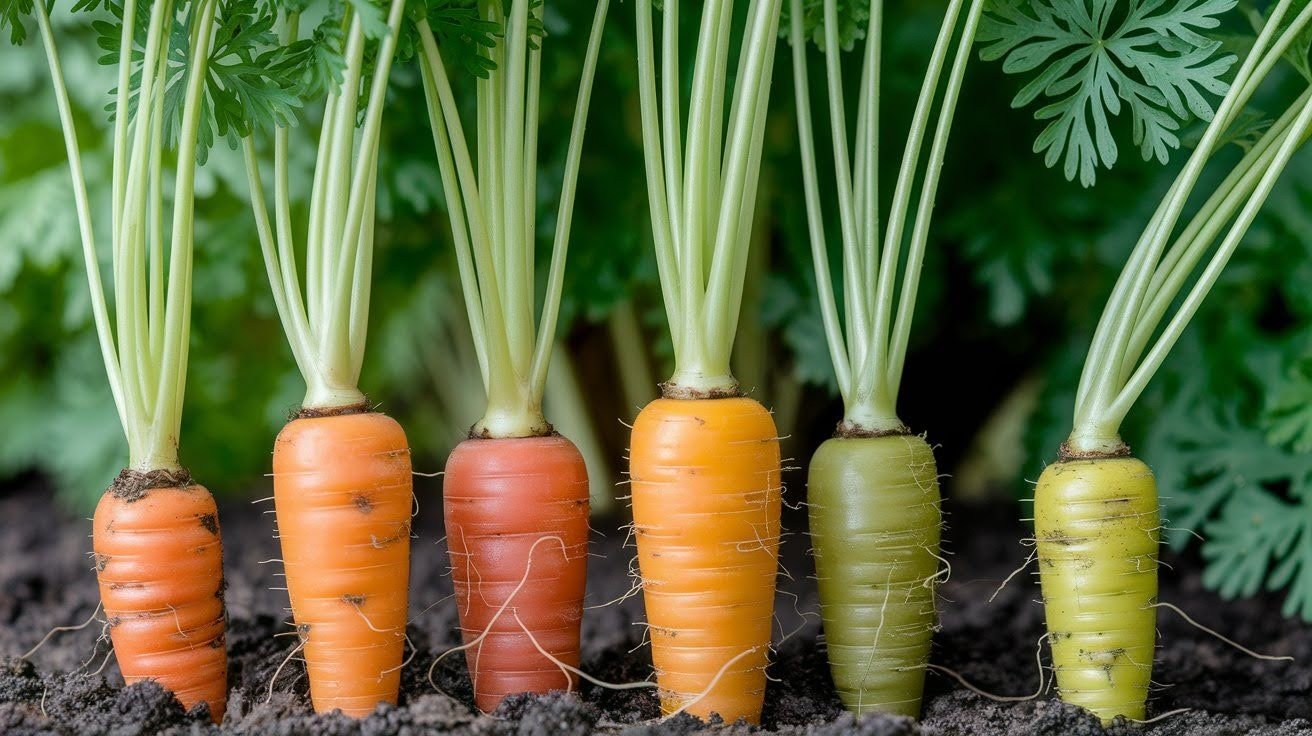
Throughout the growing season, carrot leaves maintain their bright to deep green color. In healthy plants, you’ll notice the green becomes richer as the plant matures. The leaves stay soft and slightly fuzzy rather than becoming tough or leathery.
Temperature and sunlight affect leaf color. In very hot weather, the green might fade slightly, but it should bounce back with proper watering. Cool weather often makes the green deeper and more vibrant.
The texture remains consistently delicate throughout the plant’s life. Even mature leaves feel soft and fine to the touch. This softness is one way to confirm what carrot leaves look like compared to tougher plants like kale or collards.
Leaf Arrangement and Growth Pattern

Carrot leaves grow in a rosette pattern from the center of the plant. New leaves keep emerging from the middle, pushing older leaves outward. This creates a circular, spreading, fairly compact growth habit.
The leaves don’t vine or climb they stay close to the ground level. Each stem emerges from the carrot top and grows upward and outward. The overall shape is bushy but not sprawling.
You’ll notice the center stays green and active while the outer leaves might yellow and die back naturally. This is normal. The plant puts its energy into the newer center leaves and the developing root below.
Stem Characteristics
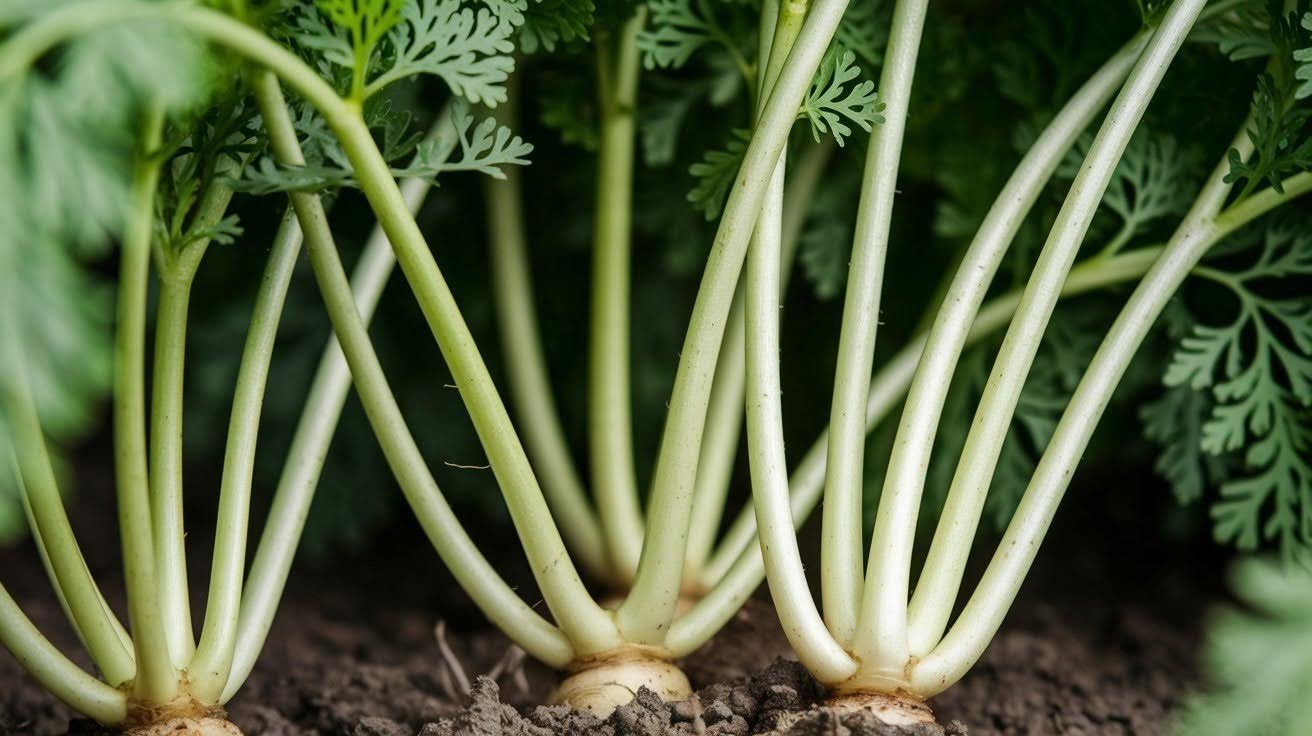
Carrot stems are slender, slightly hairy, and light green. They’re not thick or woody like some vegetable plants. When you touch them, you’ll feel a slight fuzziness rather than smooth skin.
The stems branch out from the crown of the carrot root. Each main stem divides into smaller branches that hold the leaflets. This branching pattern gives the plant its full, divided appearance.
The hairiness on the stems is an important feature when identifying what carrot leaves look like. It helps you tell carrots apart from similar plants that have smooth stems, especially dangerous look-alikes.
Seasonal Leaf Behavior
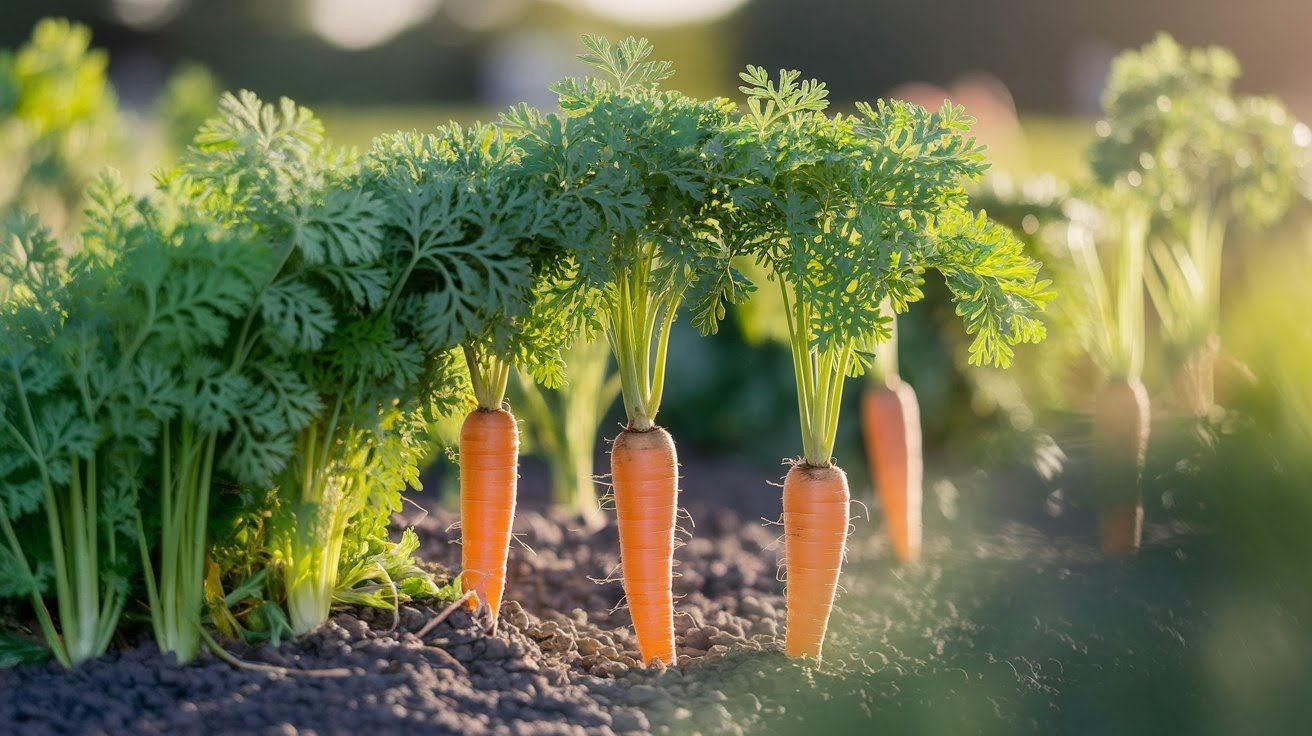
In spring and early summer, carrot leaves grow quickly and stay vibrant. This is when the plant focuses on leaf growth before putting energy into the root. The foliage looks its best during this time.
As summer progresses and the root develops, leaf growth slows down. The existing leaves stay green but don’t get much bigger. The plant’s energy shifts to creating a thick, sweet carrot underground.
In late season or if you leave carrots in the ground too long, outer leaves may yellow. This doesn’t always mean a problem it can just be the natural aging process. As long as the center leaves stay green, your carrots are likely still good.
How do Leaves Indicate Root Development?
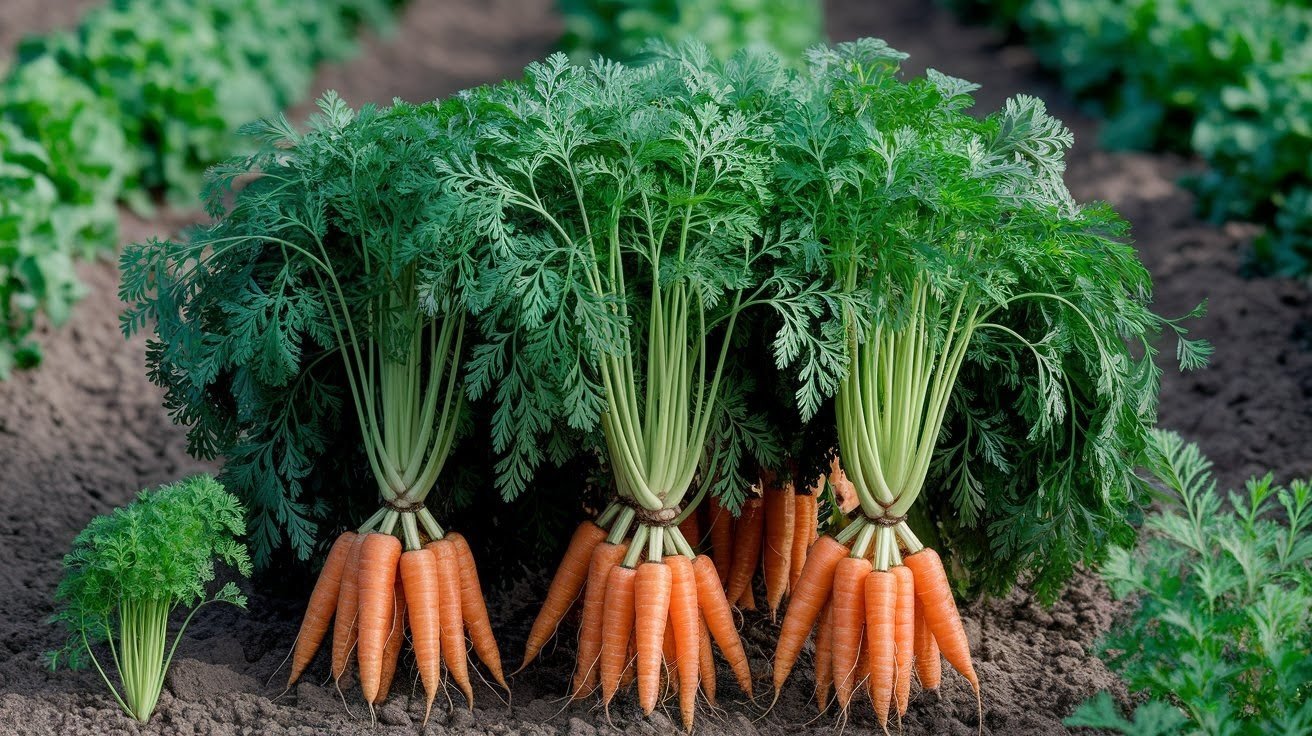
Thick, bushy leaves usually mean a healthy root is growing below. When you see strong foliage, it’s a good sign your carrot is developing properly. The leaves are the plant’s food factory, so healthy leaves create healthy roots.
If the leaves suddenly grow very tall and thick, but the stems are unusually wide, your carrot might be putting too much energy into foliage. This can happen with too much nitrogen in the soil. You might end up with beautiful leaves but small, skinny roots.
Watching the leaves helps you time your harvest. When the foliage reaches its full size and stays vibrant green, your carrots are likely ready or nearly ready to pull. This is usually about 60 to 80 days after planting, depending on the variety.
Variations Between Carrot Varieties
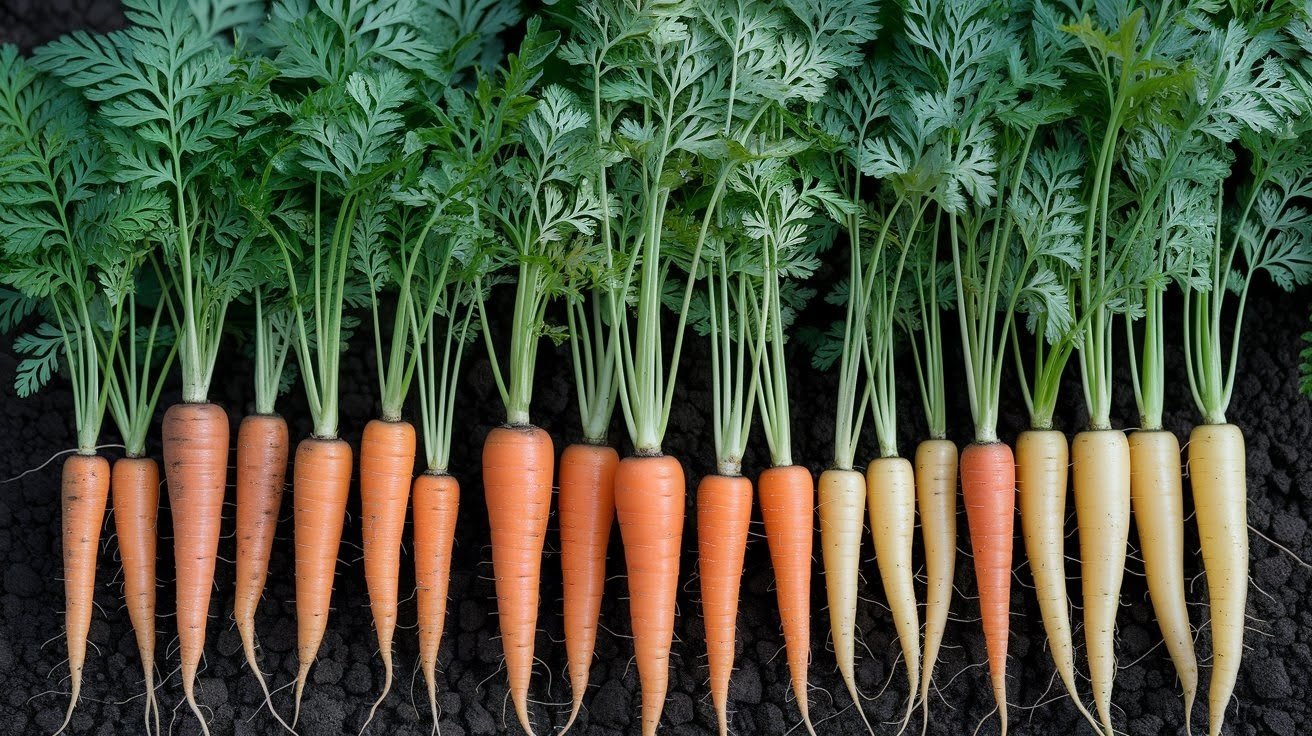
Different carrot varieties can have slightly different leaf appearances. Some types produce more compact foliage while others grow taller and fuller. But the basic feathery, divided pattern stays the same across all types.
Short or round carrot varieties often have shorter, more compact leaves. Long carrot varieties like Imperator types usually have taller, more spreading foliage. Still, when you look closely at what carrot leaves look like, the fern-like pattern is always there.
The color might vary slightly, too. Some varieties have lighter green leaves, while others are darker. Purple or yellow carrots don’t have different colored leaves the foliage is always green regardless of the root color.
How to Tell Carrot Leaves Apart from Similar Plants
Learning to spot the differences between carrots and look-alike plants keeps your garden safe and helps you avoid pulling the wrong plants.
Carrot Leaves vs. Grass
| Feature | Grass | Carrot Leaves |
| Leaf Shape | Long, narrow, and flat with parallel veins running lengthwise | Feathery and divided into many small sections with a fern-like appearance |
| Leaf Texture | Stiff and firm, often with a waxy coating that makes them feel smooth | Soft and delicate with a slightly fuzzy texture that feels gentle to touch |
| Growth Pattern | Grows in single blades from the base, spreading outward in clumps | Grows in compound leaves with multiple leaflets branching from central stems |
| Stem Type | Hollow or solid round stems that are uniform in thickness | Thin, branching stems that divide into smaller sections, slightly hairy |
| Color | Usually uniform medium to dark green, sometimes bluish-green | Bright to deep green with consistent color across all leaflets |
| How They Emerge | Shoots come up individually, often in dense patches or clusters | Sprouts come from a central point (the carrot crown) in a rosette pattern |
When you’re trying to figure out what carrot leaves look like compared to grass, the divided feathery structure is your best clue. Grass never has that lacy, compound leaf pattern that carrots show from the true leaf stage onward.
Carrot Leaves vs. Queen Anne’s Lace (Wild Carrot)
| Feature | Queen Anne’s Lace (Wild Carrot) | Garden Carrot Leaves |
| Plant Height | Can grow 2 to 4 feet tall with long stems that tower over garden plants | Usually stays under 12 to 18 inches, more compact, and closer to the ground |
| Leaf Color | Darker green, often with a slightly duller or gray-green tone | Bright, vibrant green that looks fresh and lively, especially in young plants |
| Flowers | Produces flat white flower clusters that look like lace doilies, usually in the second year | Garden carrots rarely flower in the first year; if they do, the flowers are similar but smaller |
| Root Development | Has a thin, woody white root that’s tough and not edible like garden carrots | Develops a thick, fleshy, orange (or colored) root that’s sweet and edible |
| Stem Hairiness | Stems are quite hairy and rough to the touch | Stems are hairy too, but usually less coarse and more delicate overall |
| Growing Location | Often found wild in fields, roadsides, and disturbed areas | Grown intentionally in garden beds and rows |
| Smell | Leaves and roots have a strong carrot-like smell when crushed | Fresh carrot smell, usually milder than the wild version |
Both plants are related, which is why they look so similar. The biggest difference is size and where they grow. Wild carrots are taller and more aggressive, while garden carrots stay neater and bushier.
Carrot Leaves vs. Poison Hemlock
| Feature | Poison Hemlock (DANGEROUS) | Carrot Leaves (Safe) |
| Stem Color and Markings | Smooth stems with distinctive purple or reddish-brown spots or streaks | Green stems without any purple spots, solid green throughout |
| Stem Texture | Completely smooth and hairless, almost waxy or shiny | Slightly hairy and fuzzy to the touch, never smooth |
| Smell | Unpleasant musty smell, like mouse urine or moldy vegetables | Fresh carrot smell, pleasant and recognizable |
| Leaf Size | Leaves can be very large, up to 20 inches long, much bigger than carrot leaves | Smaller and more compact, usually under 12 inches |
| Overall Appearance | Looks more robust and wild, with thicker stems and aggressive growth | Neater and more delicate, typical garden plant appearance |
| Growing Height | Can reach 6 to 10 feet tall, towering over most garden plants | Stays low, rarely over 18 inches, even when fully grown |
| Danger Level | EXTREMELY POISONOUS – all parts are toxic, can be fatal if eaten | Completely safe – edible leaves and roots |
IMPORTANT WARNING: Poison hemlock is deadly. If you see a plant with fern-like leaves but smooth stems with purple spots, stay away from it. Never taste or touch a plant you’re not sure about.
Tips on What Healthy Carrot Leaves Tell You About Growth
Paying attention to your carrot leaves gives you clues about how well your plants are doing and what they might need.
- Look for Vibrant Green Color: Healthy carrot leaves are bright to deep green without yellow or brown spots. This color tells you the plant is getting enough nutrients and sunlight. If you see rich green leaves, your carrots are likely growing well.
- Check for Upright, Sturdy Growth: Strong leaves that stand upright mean your plant has good structure and is growing properly. If the leaves droop or lie flat, it might signal watering problems or weak root development.
- Feel the Leaf Texture: Soft, slightly fuzzy leaves are normal for carrots. If the leaves feel papery, crispy, or unusually tough, something might be wrong. Healthy foliage stays tender and flexible.
- Watch for Yellowing as a Warning Sign: Yellow leaves, especially on younger inner growth, often mean your plants need nitrogen or are getting too much or too little water. Outer leaves naturally turn yellow with age.
- Notice Leaf Fullness and Density: Bushy, full foliage with lots of stems indicates strong root development below ground. Sparse, thin leaves might mean the plant is stressed or not getting enough nutrients.
Conclusion
Understanding what carrot leaves are is a great help in growing better carrots and saving you from common gardening mistakes. It is the first thin sprouts that look like grass from which you can tell that carrot leaves are changing a lot as they grow from the bushy.
Knowing the difference between carrot leaves and those of similar plants keeps your garden safe and productive. The hairy green stems, soft texture, and lacy appearance the most of your clues. Healthy leaves mean healthy roots.
After reading the article, you are now aware of the things to look for throughout and in-depth knowledge of the growth of your carrot crop from seed to harvest, and thus, you can care for it without any doubts. Be attentive to the leaves at each development stage,
Frequently Asked Questions
What do carrot leaves look like when they first sprout?
When carrot seeds first sprout, they look like thin grass-like shoots with smooth, oval seed leaves. These early leaves don’t look like mature carrot foliage yet. After about two weeks, the true feathery leaves start forming between the seed leaves.
Can you eat carrot leaves?
Yes, carrot leaves are safe to eat and contain vitamins and minerals. They taste slightly bitter and earthy, similar to parsley. You can use them in salads, soups, or pesto. Just make sure you’ve correctly identified them as carrot leaves and not a poisonous look-alike plant before eating.
Why are my carrot leaves turning yellow?
Yellow carrot leaves usually mean watering problems or a lack of nitrogen in the soil. Too much or too little water stresses the plant and causes yellowing. Adding compost or balanced fertilizer can help.
How tall do carrot leaves grow?
Carrot leaves typically grow between 8 to 12 inches tall, though some varieties can reach up to 18 inches. The height depends on the carrot variety and growing conditions. Long carrot types usually have taller foliage, while short or round varieties stay more compact with shorter leaves.
Do all carrot varieties have the same-looking leaves?
All carrot varieties have feathery, fern-like leaves with the same basic divided pattern. However, leaf size and height can vary between varieties. Some types have more compact foliage, while others grow taller and fuller.