
Here you have had a pumpkin that was not ready for Halloween in time, but ready before the time, or maybe your plants have struggled because you planted too early? The difference in a pumpkin patch that thrives versus a disappointing harvest is just the timing.
The answer is simple enough to understand and implement: a pumpkin takes 100-120 days to mature from the seed to the harvest. To find the best time for planting, you will have to count your days backward from the date when you want to harvest.
Based on what you want to achieve, this article will tell you exactly when to plant, how to cooperate with your local climate, and what the essential tips, steps are to have healthy pumpkins. We could help you plan your pumpkin planting season correctly.
When to Plant Pumpkins: Planting Seasons: Your Complete Guide to Perfect Timing
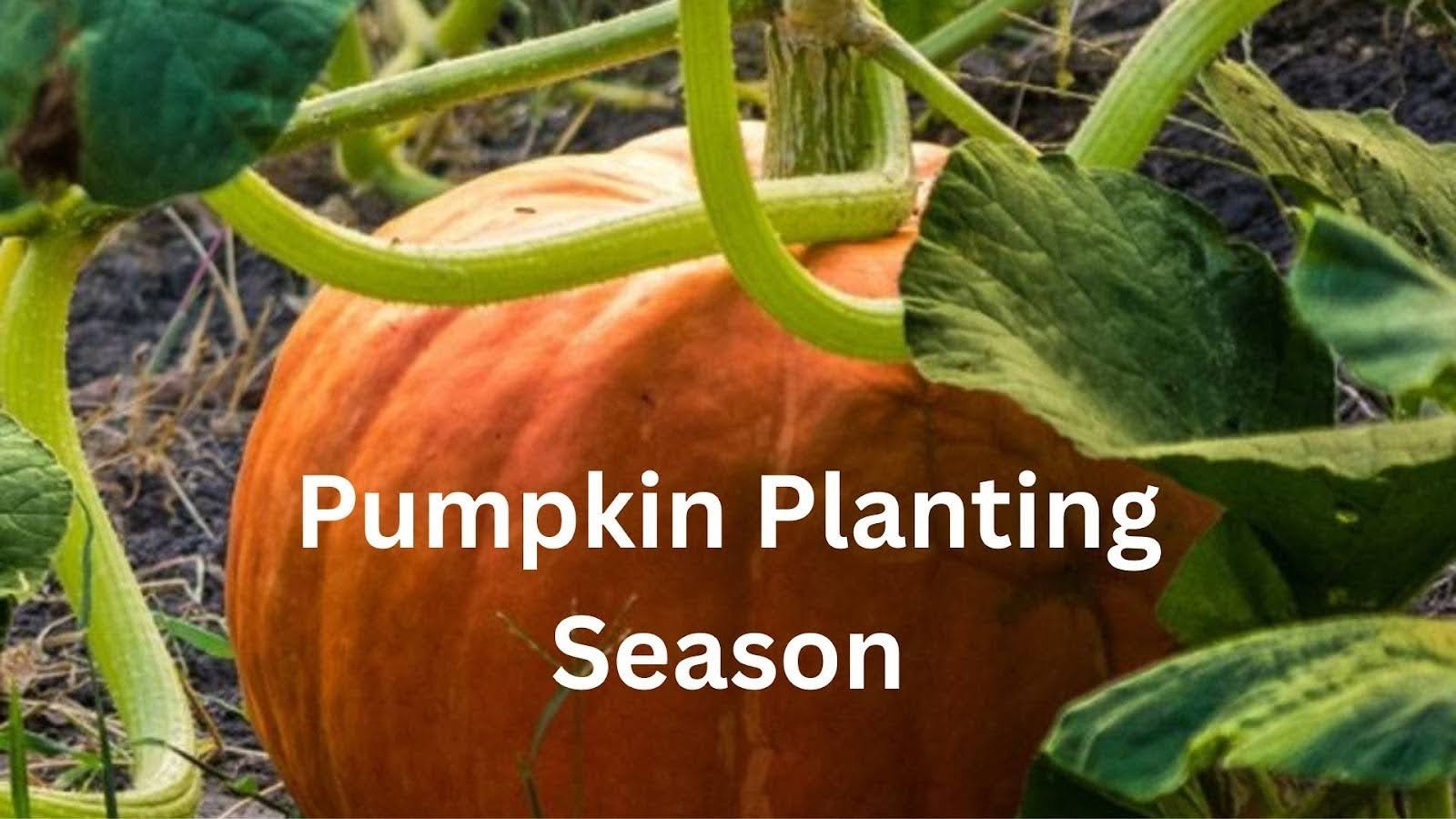
The pumpkin planting season changes based on where you live and when you want to harvest. Most gardeners plant between late May and early July, but your specific dates depend on your local frost schedule and growing zone.
Think of your pumpkin planting season as a countdown. You need to give your plants enough warm days to grow, flower, and produce fruit. Cold weather will stop your pumpkins from growing, so timing matters more than you might think.
The good news? Once you know your area’s frost dates and your variety’s days to maturity, planning becomes easy. You’ll be able to mark your calendar and plant with confidence, knowing your pumpkins will be ready exactly when you need them.
Best Time to Plant Pumpkins by Harvest Goal
Your harvest goal should guide your entire planting schedule. If you’re growing pumpkins for Halloween decorations, you’ll plant at a different time than someone growing them for Thanksgiving pies.
Most pumpkin varieties need about four months of warm weather to reach full size. This means you’re working backward from your target date, counting 100-120 days depending on the variety you choose.
Planning saves you from common mistakes. Plant too early and your pumpkins might rot before your celebration. Plant too late and they won’t have time to grow. Let’s look at specific timing for different harvest goals.
Planting for a Halloween Harvest
For Halloween pumpkins, you’ll want to plant by the end of June to mid-July in most areas. This gives your plants the full 120 days they need to grow large, ready-to-carve pumpkins by October 31st.
Let’s do the math together. Count 120 days backward from Halloween, and you’ll land around late June or early July. If you live in a really hot area, you can start seeds indoors in late May and transplant them outside in June to avoid the worst heat.
Here’s a specific example: if you plant on July 1st, your pumpkins should be ready by late October. This gives you a few extra days before Halloween in case they need a bit more time.
Planting Schedule for Thanksgiving Pumpkins
Thanksgiving pumpkins need to go in the ground by the second week of July through the first week of August. This later pumpkin planting season works well because your plants will mature in the cooler fall.
If your summers get extremely hot, starting seeds indoors in late June or early July helps protect young seedlings from heat stress. You can then transplant them outside once temperatures cool down slightly in mid to late July.
Always give yourself a buffer of 5-10 extra days beyond the minimum days to maturity. Weather doesn’t always cooperate, and some varieties take longer than the seed packet suggests. This buffer ensures you’ll have beautiful pumpkins ready for your Thanksgiving table.
Adjusting Planting Times for Early Frost Zones
If you live in an area with early frosts, calculate 120 days backward from your first expected frost date. This becomes your absolute latest planting date for full-season varieties in your pumpkin planting season.
Let’s say your first frost typically arrives on September 15th. Count back 120 days, and you’ll need to plant by late May or early June. This might seem early, but it’s necessary to give your pumpkins enough time to mature before cold weather hits.
Got caught with an early frost warning? You can harvest slightly immature pumpkins and cure them indoors in a warm, dry location for 1-2 weeks. They’ll continue to harden and develop better storage capability.
How to Know Your Climate and Growing Zone?
Your local climate determines everything about your pumpkin planting season, from when you can safely plant to which varieties will thrive in your garden.
Soil Temperature Requirements
Pumpkin seeds won’t sprout until your soil reaches at least 70°F, but they’ll grow much better when soil temperatures hit 75-85°F. Planting in cold soil leads to rotting seeds and wasted time.
Temperature matters because pumpkin seeds are tropical plants at heart. They originated in warm climates and still prefer heat for healthy growth. Cold, wet soil encourages fungal diseases that kill seeds before they can sprout.
You can check soil temperature easily with a simple soil thermometer from any garden center. Push it 2-3 inches into the soil at 9 or 10 in the morning. Take readings for three days in a row.
Frost Considerations for Your Region
Your first and last frost dates mark the boundaries of your growing season. These dates tell you the safe planting window for your pumpkin planting season and help you avoid cold damage to your plants.
Regional variations matter a lot. Southern gardeners might have a 9-month frost-free period, while northern growers might only get 3-4 months. Coastal areas often have milder winters.
Check your specific USDA hardiness zone and local frost date calendar before planting. Your county extension office provides the most accurate data for your exact location.
Dual-Purpose Varieties
Connecticut Field Pumpkin is a classic heirloom that works great for both carving and cooking. This variety grows 15-25 pound fruits with thick flesh that’s good for pies and a large cavity perfect for jack-o’-lanterns.
Some varieties pull double duty better than others. Look for medium-sized pumpkins (8-15 pounds) with moderately thick walls. These are small enough to cook with but large enough to carve.
Size matters when choosing dual-purpose types. Really large carving pumpkins (over 30 pounds) usually have watery, stringy flesh that doesn’t taste good.
Essential Growing Conditions Throughout the Season
Maintaining the right conditions from planting through harvest keeps your pumpkins growing strong and productive.
Sunlight and Temperature Needs
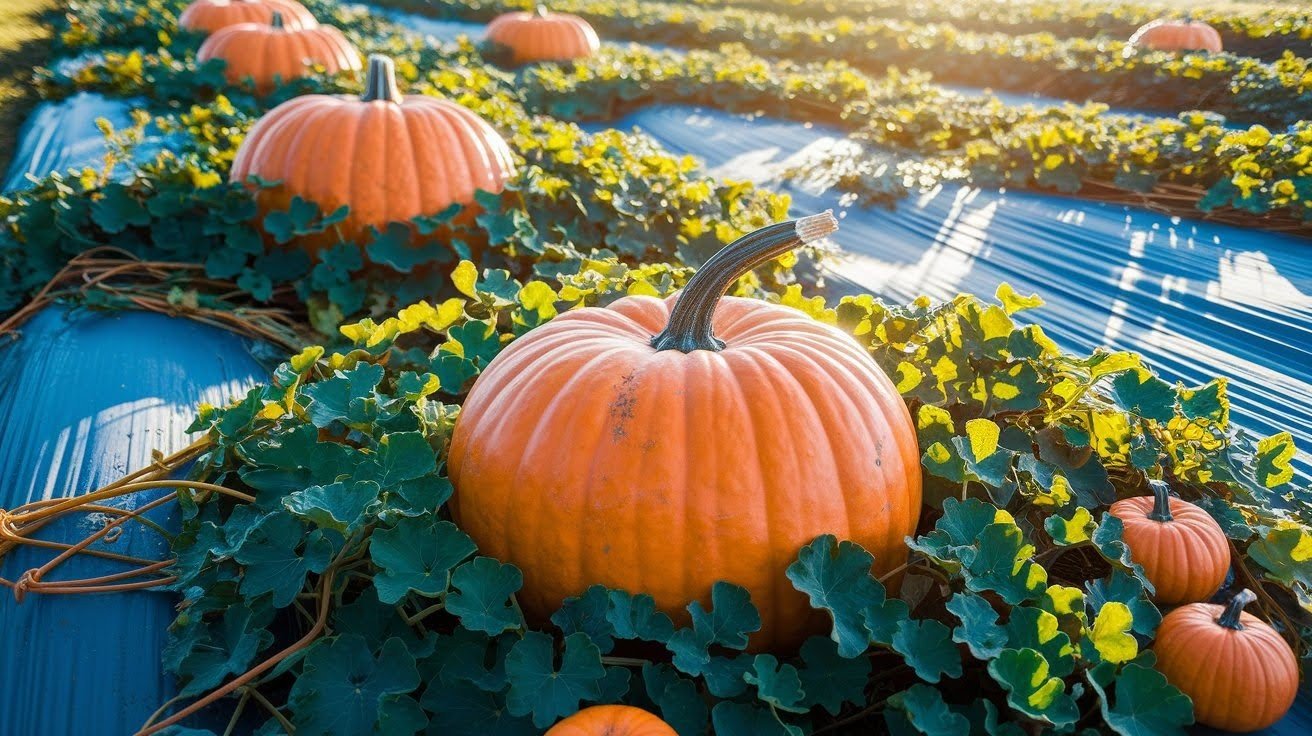
Pumpkins are sun-lovers that perform best with full, direct sunlight all day long. They can tolerate partial shade but will produce fewer and smaller fruits. If you’re choosing between two garden spots during pumpkin planting season, always pick the sunnier location.
These plants handle heat well once established, thriving in temperatures between 65-95°F. They’ll slow down growth when temperatures climb above 95°F for extended periods, but usually bounce back when things cool off.
Protection from extreme weather helps your plants stay healthy. Row covers can shield young plants from unexpected cold snaps in late spring. Shade cloth helps in areas where temperatures regularly exceed 100°F.
Water Requirements During Growth
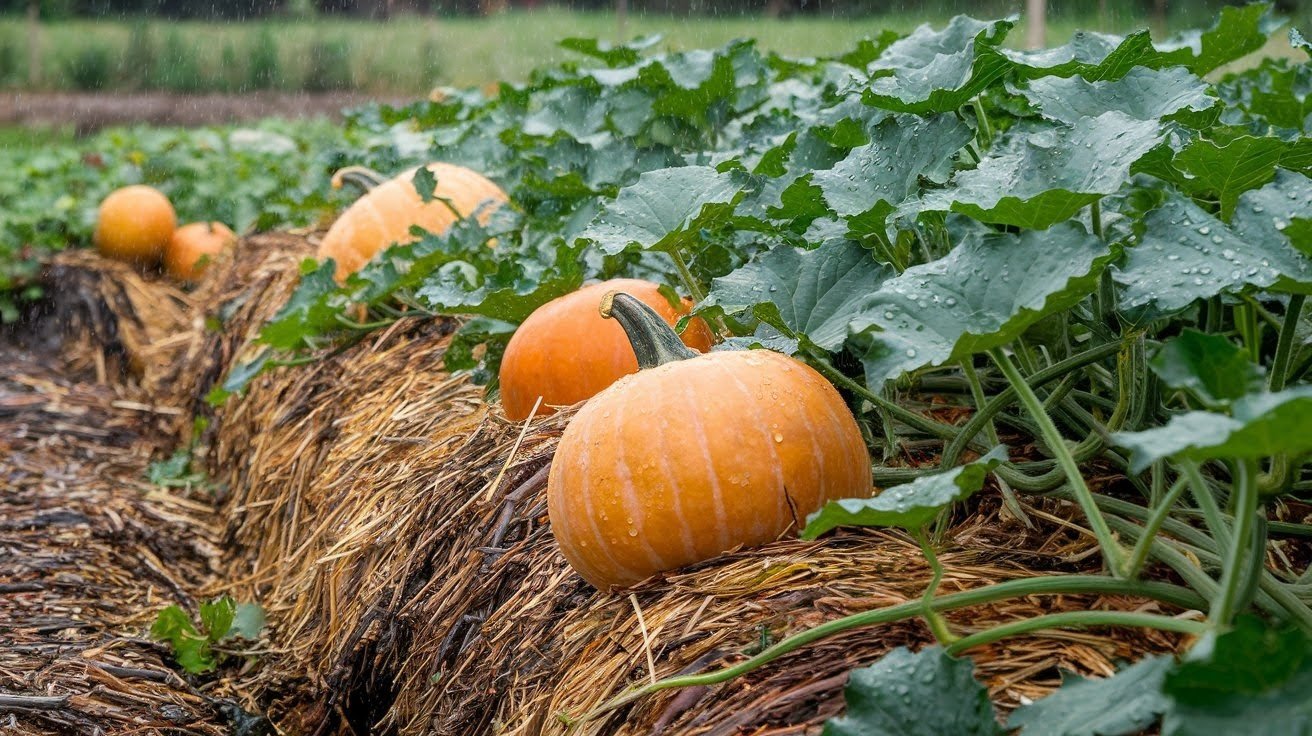
Consistent watering makes the difference between small, stressed pumpkins and large, healthy ones. Plan to give your plants 1-2 inches of water per week, either from rain or irrigation.
Deep mulching with 3-4 inches of straw or shredded leaves helps retain soil moisture and reduces how often you need to water. Mulch also keeps fruit off bare soil, which prevents rot and keeps pumpkins cleaner.
Signs of under-watering include wilting leaves during the day that don’t recover at night, slow growth, and small fruits. Over-watering shows up as yellowing leaves, soft stems, and fungal problems.
Soil and Fertilization
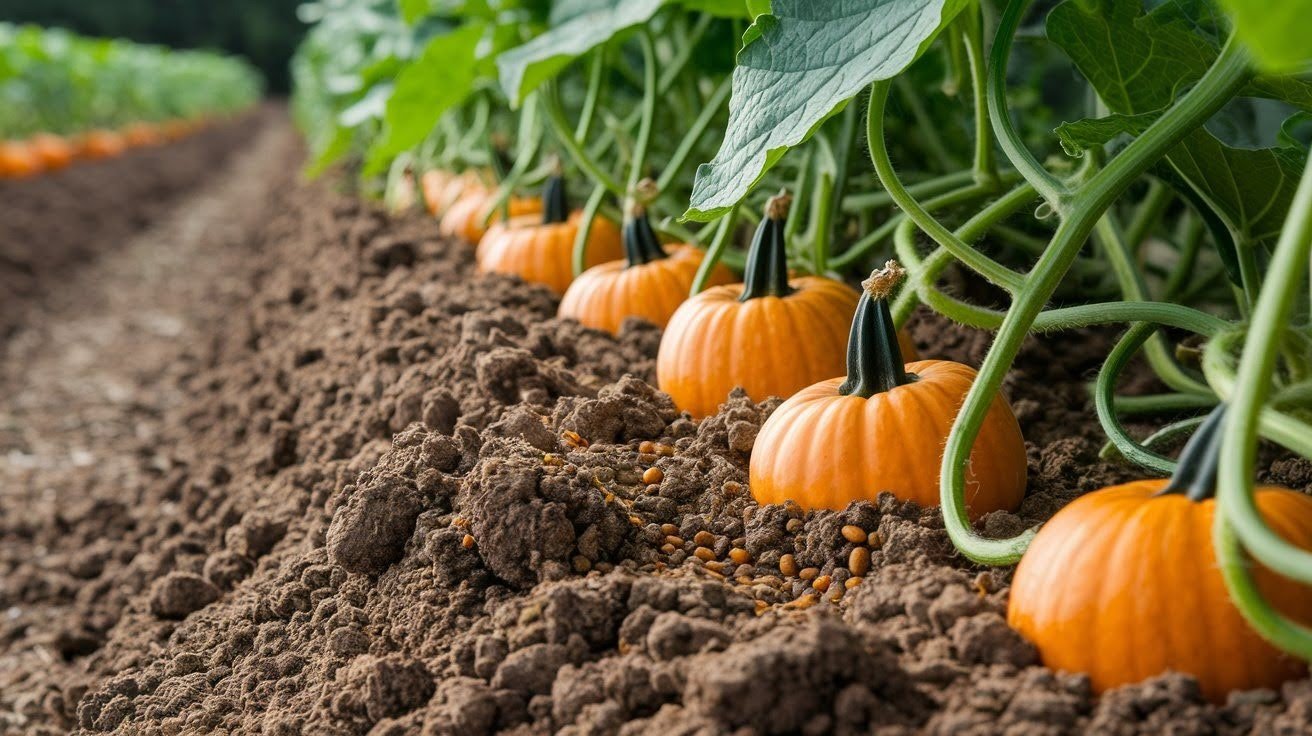
Ideal soil for pumpkins is loose, well-draining, and rich in organic matter with a pH between 6.0-6.8. Mix 2-3 inches of compost into your planting area before your pumpkin planting season begins.
Nitrogen balance matters more than you might think. Too much nitrogen creates huge vines with few pumpkins. Too little causes weak plants and small fruits.
Feed your plants every 2-3 weeks during active growth using a water-soluble fertilizer. Stop fertilizing about 3-4 weeks before your planned harvest date. This allows the plants to focus energy on ripening fruit rather than producing.
Pest and Disease Management
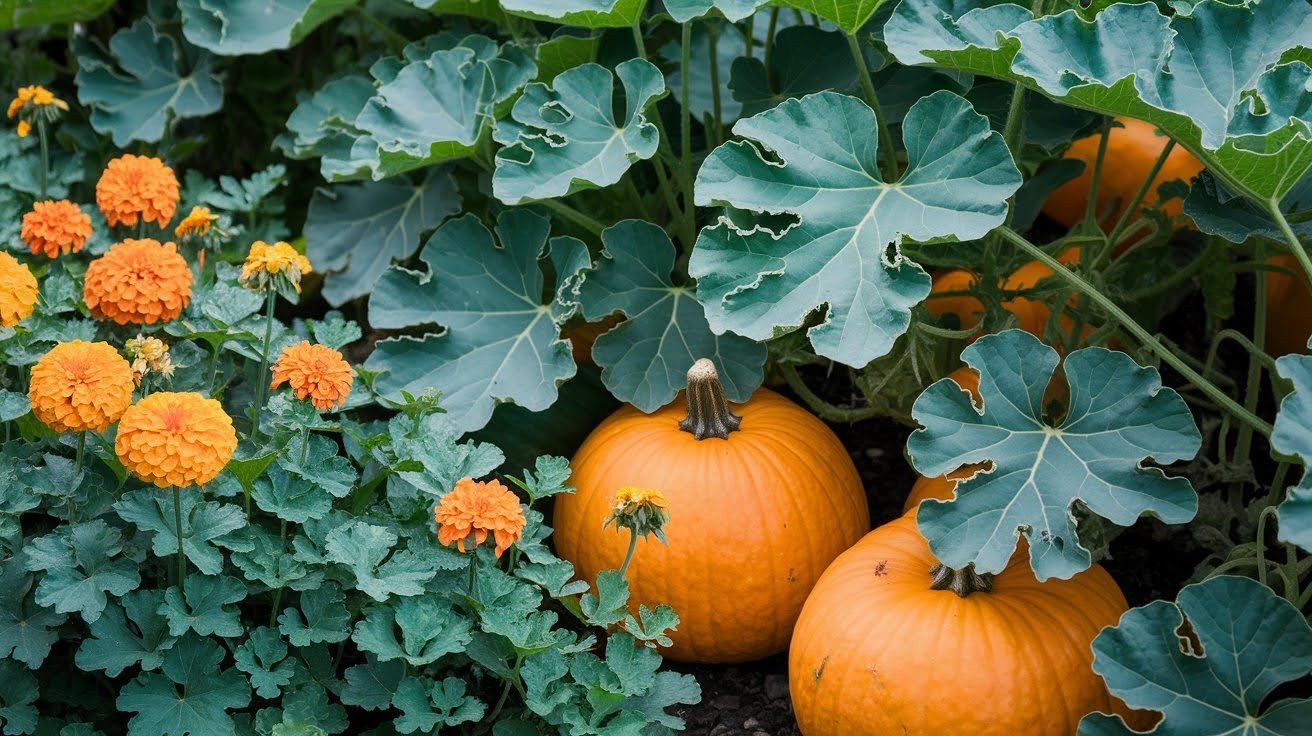
Pumpkins are generally hardy, but pests like squash bugs, cucumber beetles, and aphids can damage leaves and fruits. I always check my plants daily, especially during warm, humid days when insects are most active. Catching problems early makes control much easier.
Using natural remedies works well in my garden. I spray neem oil on affected leaves or introduce ladybugs to handle aphids. Companion planting with herbs like marigolds or nasturtiums can also deter pests without chemicals.
Rot and mildew can also be an issue, particularly if your pumpkins are crowded. I make sure to space my plants generously and prune leaves if air circulation is poor. Healthy plants are much less likely to fall victim to fungal diseases.
Supporting Growth with Trellises and Stakes
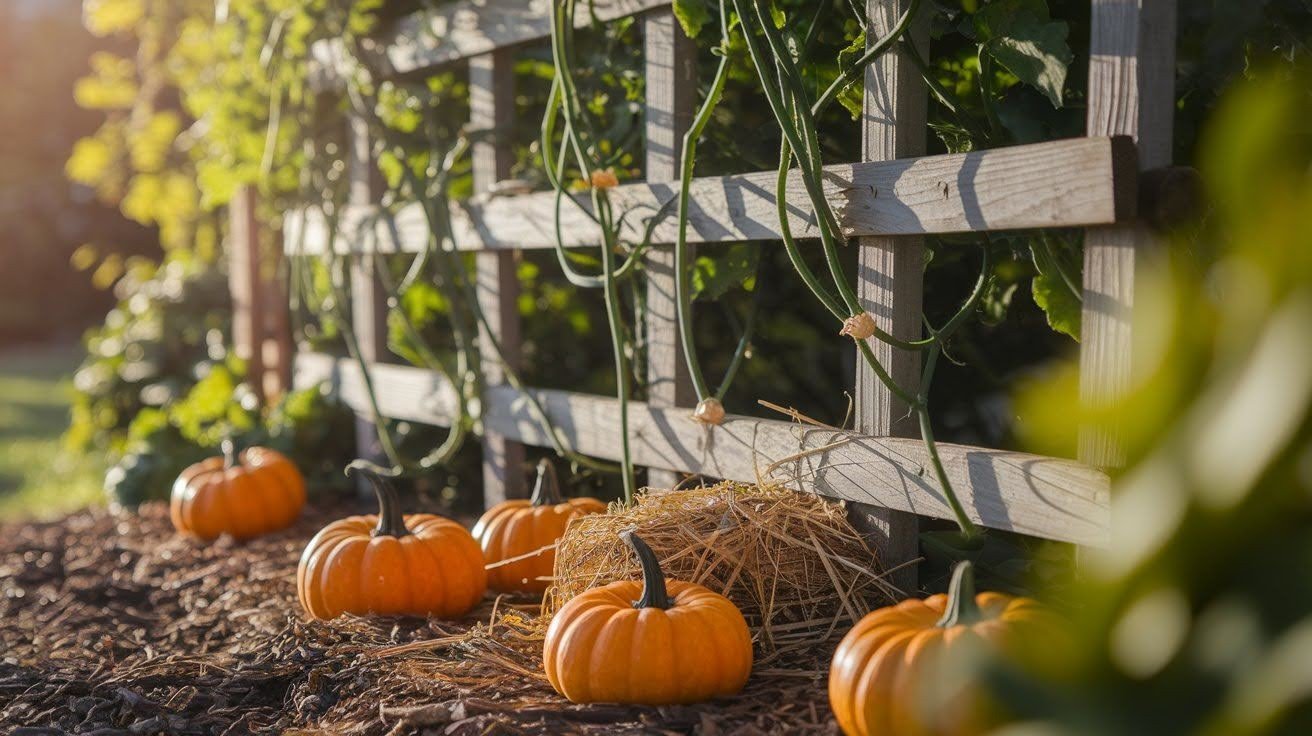
While pumpkins usually sprawl across the ground, some smaller or vining varieties benefit from vertical support. I set up sturdy trellises for my smaller varieties to save space and keep fruits off damp soil.
Staking also helps prevent stems from breaking in windy areas. I gently tie vines with soft cloth strips and check them weekly to ensure they aren’t constricting growth. Over time, I’ve noticed stronger plants and cleaner fruits using this method.
For larger pumpkins, I usually avoid vertical growth, but I do place a small board or straw under each fruit. This keeps it from sitting in mud and reduces the chance of rot. It’s a small step that pays off at harvest.
Monitoring and Adjusting Growth Throughout the Season
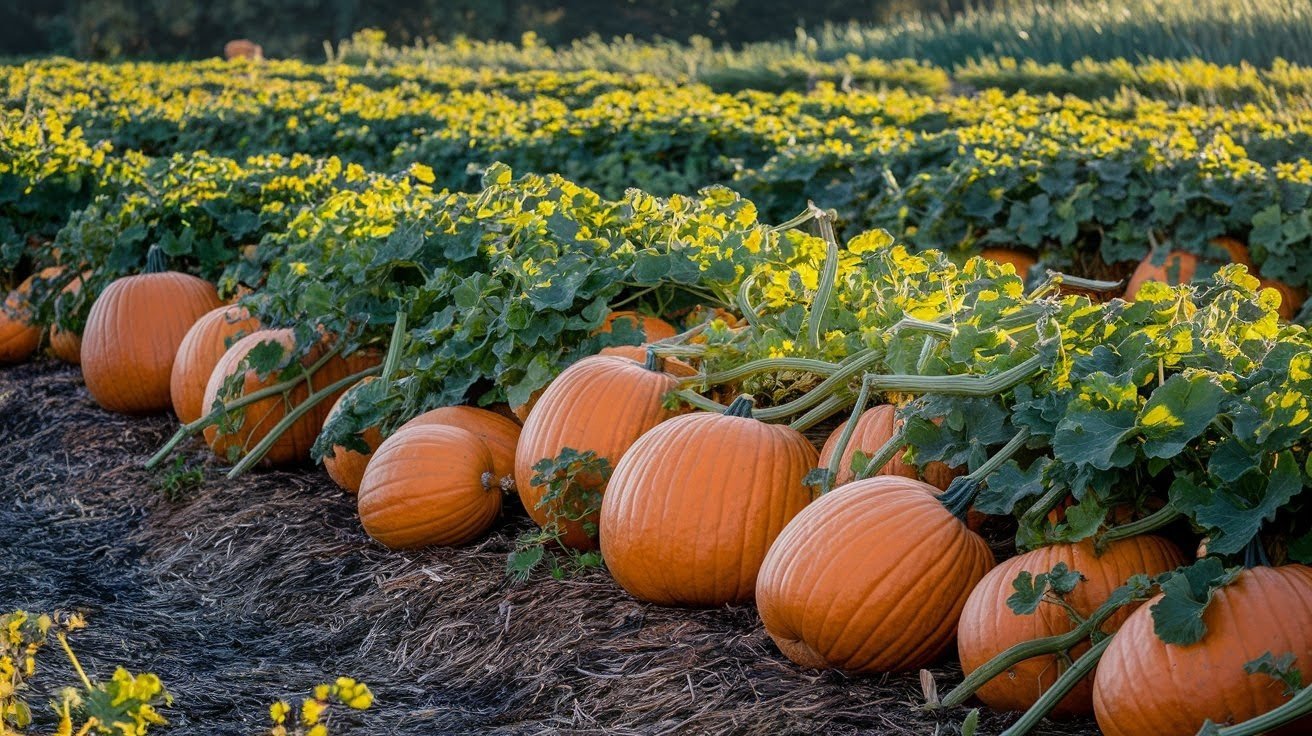
Pumpkin growth can vary based on weather, soil, and care. I keep a small notebook to track watering, fertilizing, and growth milestones. It helps me notice if a plant is lagging or needs extra attention.
If I see slow growth, I double-check sunlight exposure and soil moisture. Sometimes a simple adjustment, like moving a shade cloth or adding water, brings the plant back on track within a week.
I also watch fruit size and vine health. When fruits are forming, I remove excess small pumpkins on prolific vines to let the main ones grow larger. Personalized attention like this ensures a strong, productive harvest every season.
Harvesting Tips for Maximum Flavor and Longevity
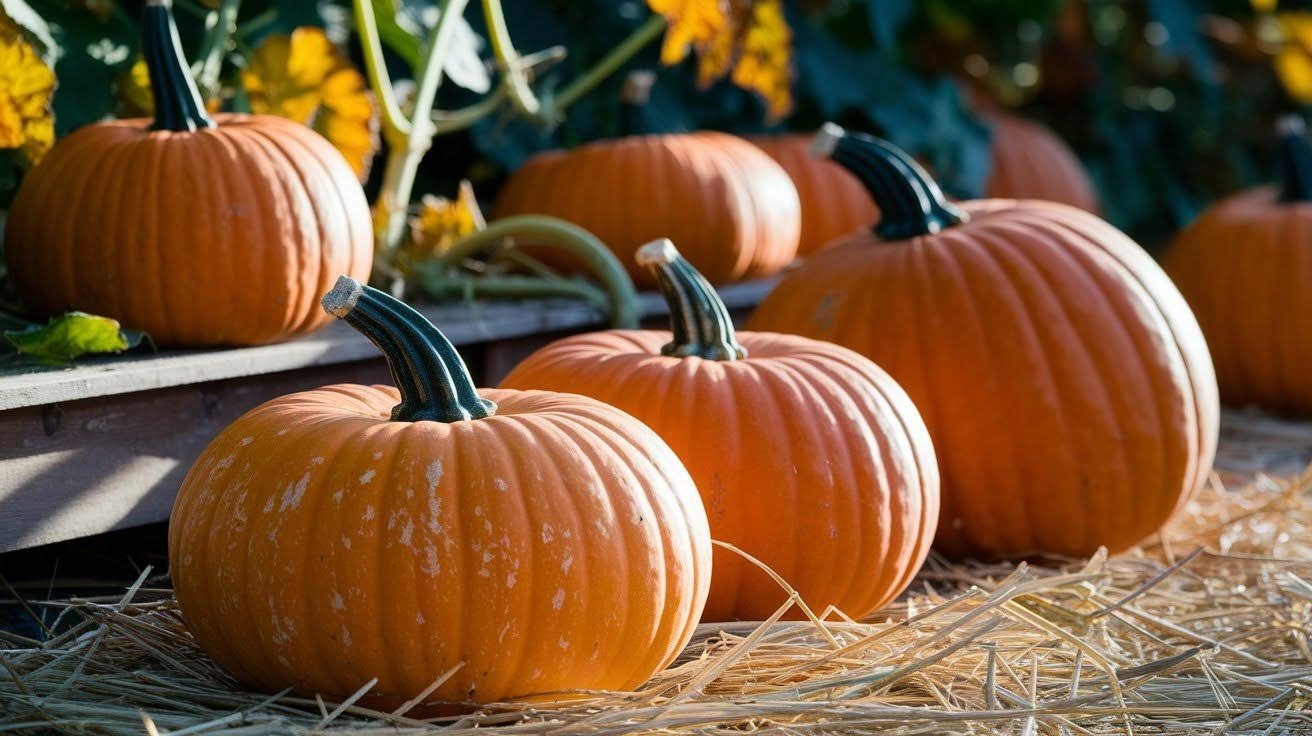
I always get a little excited when it’s time to harvest pumpkins it feels like the reward for months of care. I check the skin daily for a deep, solid color and a hard rind. If I can’t pierce it with my fingernail, I know it’s ready to pick.
When I cut pumpkins from the vine, I make sure to leave a few inches of stem attached. It feels like giving the fruit a little handle to hold onto, and I’ve noticed it really helps them last longer in storage.
After harvesting, I cure my pumpkins for about 10 days in a warm, dry spot. I always talk to them a little it sounds silly, but I swear it helps! This step toughens the skin, intensifies flavor, and prepares them for storage through fall and winter.
Conclusion
Timing is the key to a successful pumpkin harvest. For Halloween pumpkins, plant from late June to mid July. For Thanksgiving pumpkins, plant from mid-July to early August.
Always check your local frost dates and soil temperature. Pumpkin seeds need at least 70°F to sprout and grow well. Count backward from your target harvest date and add five to ten extra days in case of weather changes.
Choose varieties that match your climate and purpose. Give your plants full sunlight, regular water, and rich soil. Monitor growth and adjust care as needed. Following the right planting window helps you grow healthy pumpkins. With careful planning, your pumpkins will be ready for carving, cooking, and fall celebrations without surprises.
Frequently Asked Questions
How Late Can You Plant Pumpkins and Still Get a Harvest?
The latest you can plant depends on your first frost date. Count back 90-100 days for fast-growing varieties or 120 days for standard types. Most areas can plant until mid-July for a Halloween harvest.
Can You Plant Pumpkins in June for Halloween?
Yes, planting pumpkins in June works perfectly for Halloween in most climate zones. June planting gives you 120-150 days of growing time, which is more than enough for even the largest varieties to mature fully by October 31st.
What Happens If You Plant Pumpkins Too Early?
Planting too early in cold soil causes seeds to rot before sprouting. Early plants also risk frost damage and may produce fruit too soon, leading to rot before your harvest date. Always wait until the soil reaches 70°F minimum.
Do Pumpkins Need Full Sun to Grow Well?
Yes, pumpkins need 6-8 hours of direct sunlight daily for best results. They can survive in partial shade but will produce fewer, smaller fruits. Full sun locations during pumpkin planting season give you the healthiest plants and the biggest harvest.
How Much Space Do Pumpkin Plants Really Need?
Each pumpkin plant needs 20-40 square feet to spread properly. Vining varieties need more space (up to 50 square feet), while bush types can work in 15-20 square feet.