

Spring is finally here, and you know what that means. Your yard needs some serious attention after those cold winter months. Dead leaves, broken branches, and brown patches are probably staring at you from the window right now. I get it. Sometimes looking at all that mess can feel overwhelming.
But here’s the good news. A good spring yard clean-up checklist can make everything easier. When you break down the work into simple steps, it stops feeling like such a big job. Your lawn and garden actually need this cleanup to stay healthy. All those tasks help your plants grow better and make your yard look great all summer long.
This guide walks you through everything you need to do. We’ll cover the main tasks, give you helpful tips, and answer common questions. Let’s get your yard in shape.
Essential Spring Yard Cleanup Tasks
Now let’s get into the actual work. Each of these tasks builds on the others to create a healthy yard that looks good and grows well.
Remove Winter Debris and Refuse

Start by walking around your entire yard and picking up everything that doesn’t belong there. Look for fallen branches, dead leaves that blew in over winter, pinecones, and any trash or litter. This stuff can smother your grass and create homes for pests and diseases. Don’t forget to check under bushes and in corners where debris piles up.
Your lawn also needs attention at this stage. Use a rake to pull up dead grass, thick thatch, and matted leaves. Make sure to clean up any pet waste, too. You can add most organic material, like leaves and small twigs, to your compost pile. Bag up trash and badly diseased plant material for regular garbage pickup instead.
Prepare and Fertilize Planting Beds
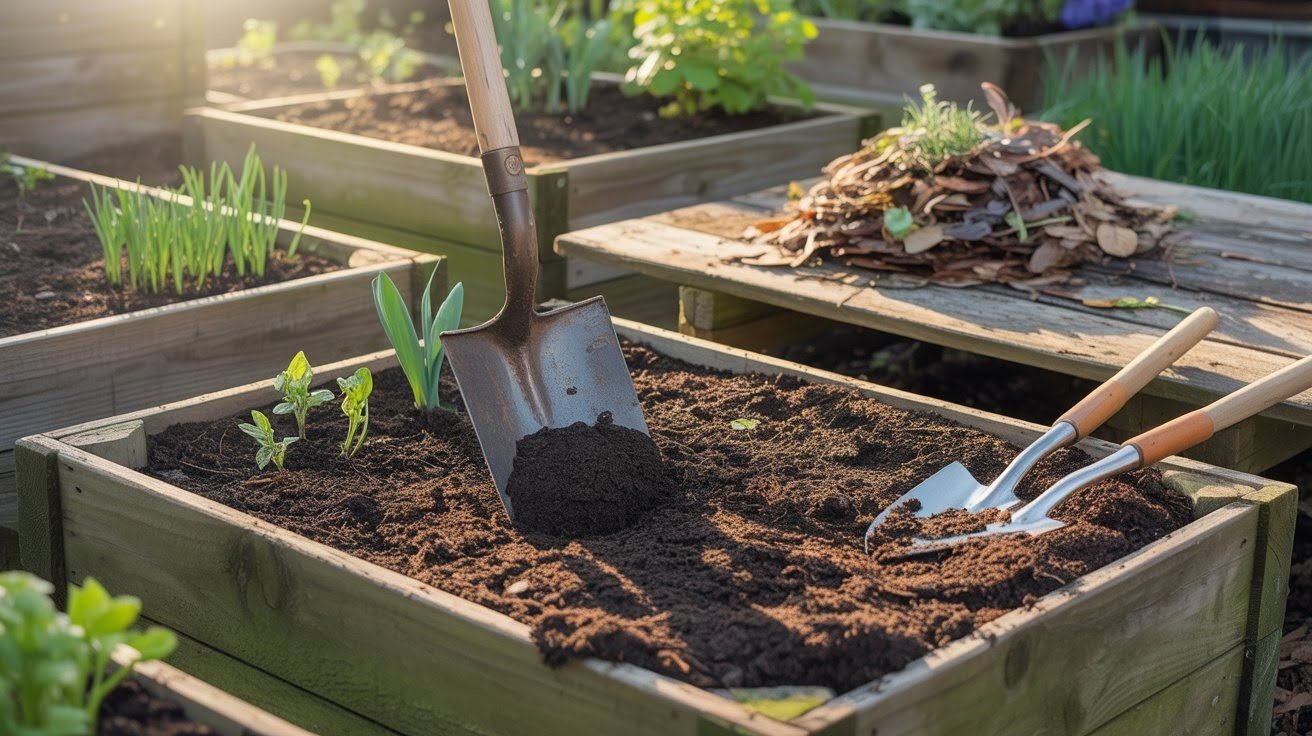
Your garden beds need fresh energy after winter. Work some good compost into the soil of your existing beds. This adds nutrients and helps the soil drain better. If you put down winter mulch to protect your plants, pull it back carefully as new growth starts to show up. You don’t want to smother those fresh green shoots.
Now is also a great time to test your soil. Simple test kits from the garden store tell you if you need to add anything. Most plants like soil that’s not too acidic or too alkaline. If you want to create new garden beds this year, spring is perfect for that. You can till new areas or build raised beds before planting starts.
Prune Trees and Shrubs
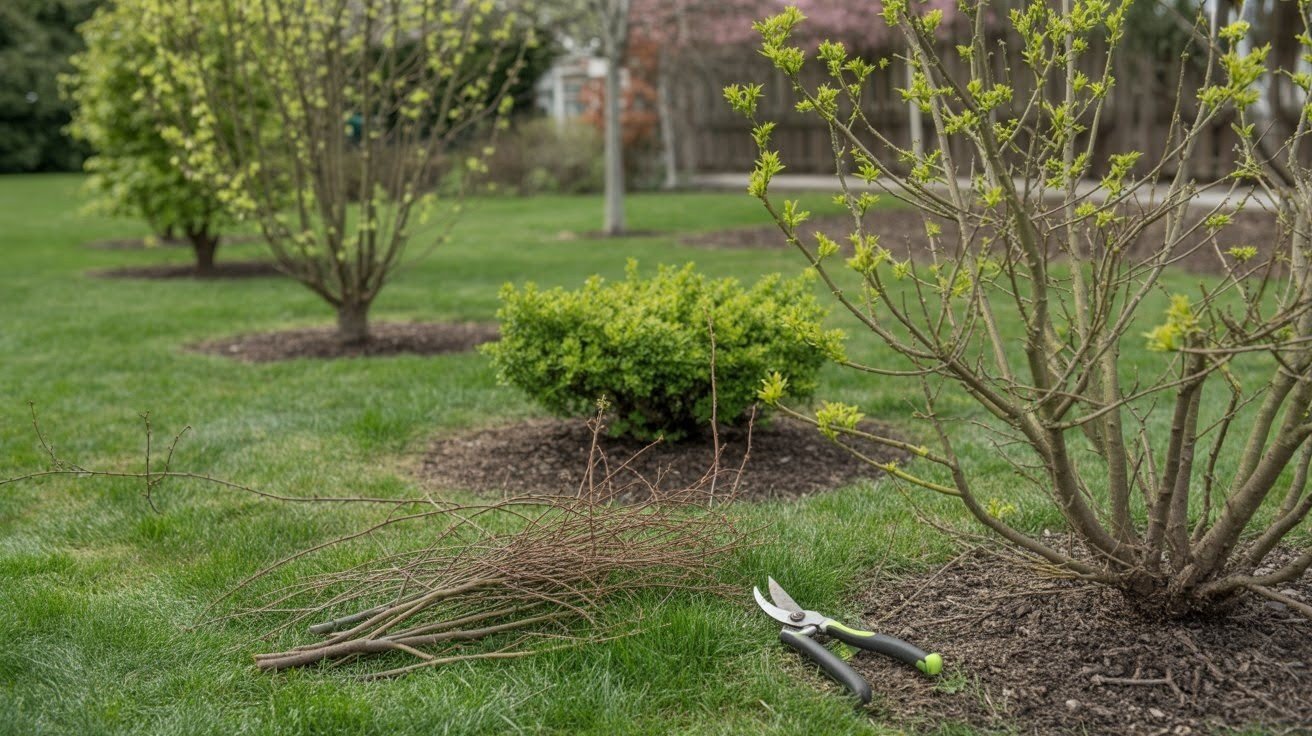
Grab your pruning shears and take a good look at your trees and shrubs. You need to cut away any branches that died over winter or got damaged by ice and snow. Dead or diseased wood can spread problems to healthy parts of the plant. Remove those branches completely, cutting back to healthy wood.
Some plants got hit hard by the winter cold. This winterkill damage shows up as brown, dried-out branches. Cut these back to where you see green growth starting. But be careful about timing. Shrubs that bloom in spring, like forsythia and lilacs, should be pruned right after they finish flowering. Summer-blooming plants can be pruned now in early spring. Pruning at the right time means you won’t accidentally cut off this year’s flowers.
Mow and Edge Your Lawn
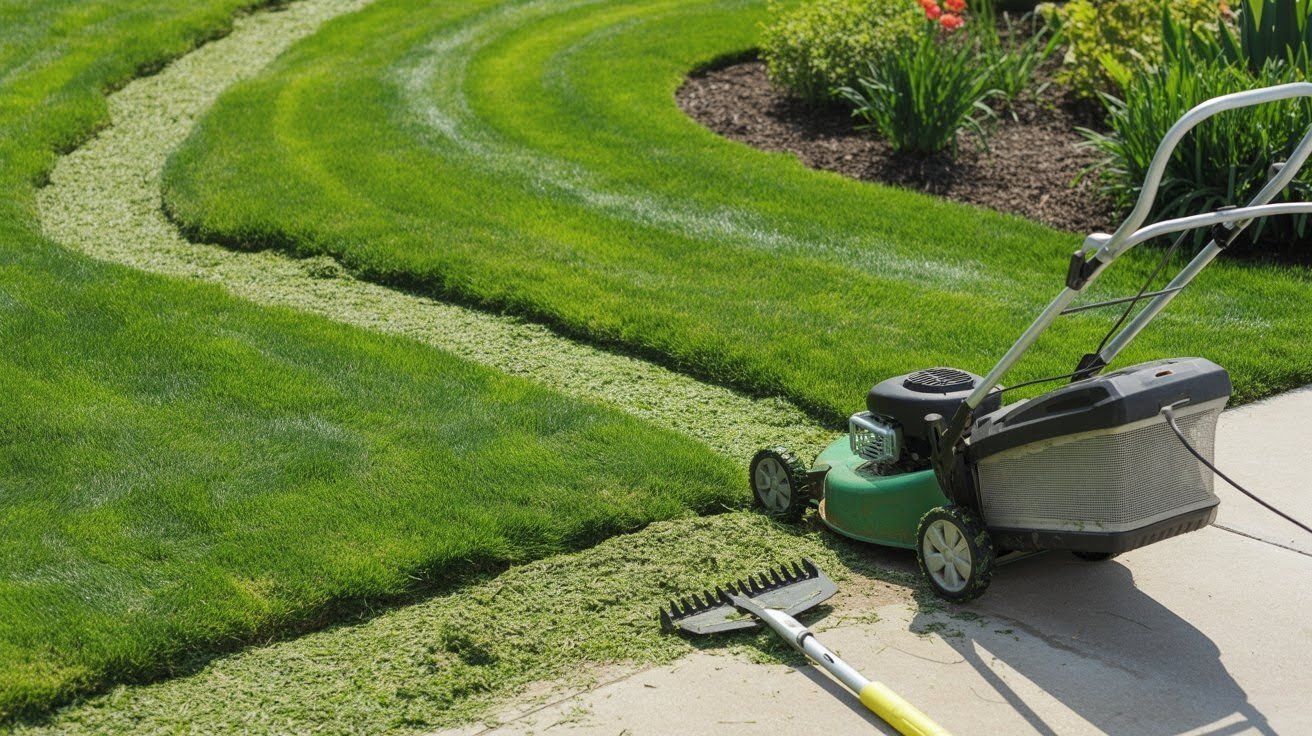
When your grass starts growing again, it’s time for that first mow of the season. Set your mower to the right height for your type of grass. Most lawns do best when cut to about 2.5 to 3 inches tall. Before you start mowing, make sure your mower blades are sharp. Dull blades tear the grass instead of cutting it cleanly, which makes your lawn look brown and sick.
Edge along all your sidewalks, driveways, and garden beds for a clean, finished look. Don’t bag up those grass clippings. Leave them on the lawn to break down and feed nutrients back into the soil. This free fertilizer helps your grass stay green.
Control Weeds and Pests

Stopping weeds before they start is way easier than pulling them later. Apply preemergent herbicide when your soil temperature reaches about 55 to 60 degrees. These products stop weed seeds from sprouting in the first place. A soil thermometer from the garden store helps you check the temperature.
In your garden beds, put down landscape fabric and add mulch on top to block weeds from growing. Think about pest control, too. If deer visit your yard, you might need fencing around your vegetables. Chicken wire protects plants from rabbits. For tick control, keep your grass short and clear brush from the edges of your property. These simple steps make a big difference.
Divide Perennials and Plant New Growth
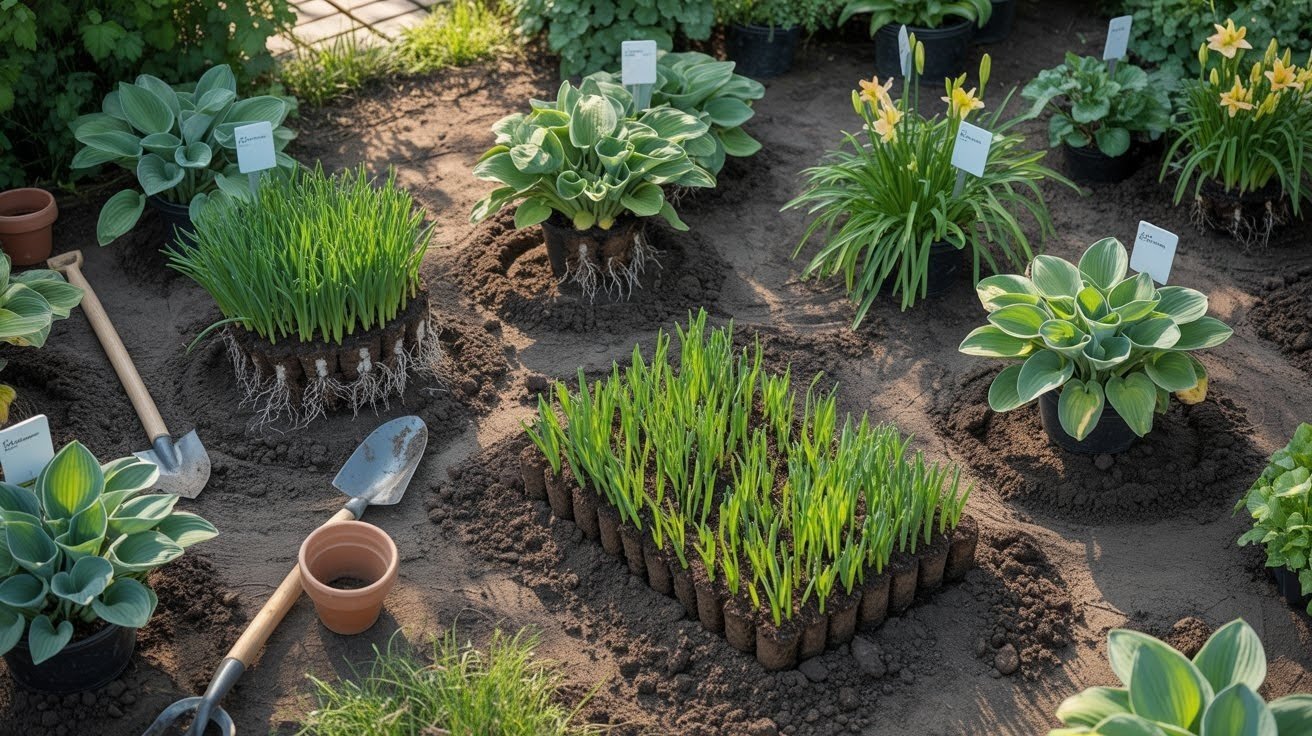
Early spring is the best time to divide perennials that have gotten too crowded. Dig up clumps of hostas, daylilies, and other plants. Split them into smaller sections and replant them with more space. This keeps plants healthy and gives you more plants for free.
You can also plant new perennials and shrubs now. These hardy plants can handle cool spring weather. Just wait on annuals and tender plants until after your last frost date. If your lawn has thin or bare spots, overseed those areas. The cool, moist conditions in spring help grass seed grow well.
Apply Fresh Mulch

The final step in your spring yard clean-up checklist is putting down fresh mulch. First, pull back any old mulch that’s piled up around the base of your plants. You want to see the soil and let those new shoots come up easily. Then add a 2 to 3 inch layer of fresh mulch around your plants and in your beds.
Mulch does several important jobs. It blocks weed seeds from getting sunlight, so fewer weeds grow. It keeps moisture in the soil so you don’t have to water as often. Just keep the mulch a few inches away from plant stems and tree trunks. Mulch piled against bark can cause rot and attract pests.
Pro Tips for Efficient Spring Yard Maintenance
Working smart saves you time and protects your yard. Here are some tips that make spring cleanup easier and more effective.
- Buy quality tools that last for years instead of cheap ones that break
- Look into battery-powered equipment if you’re replacing old gas tools
- Make a schedule based on when spring arrives in your area
- Don’t rush into cleanup when warm weather isn’t consistent yet
- Work on one section of your yard at a time instead of jumping around
- Wear gloves to protect your hands and safety glasses when pruning
Taking your time and doing things right the first time means less work fixing problems later. Your spring yard clean-up checklist works best when you’re patient and careful.
Conclusion
There you have it. Your complete guide to getting your yard ready for the growing season. Spring cleanup might seem like a lot of work when you first look at everything that needs doing. But remember, you’re setting up your whole outdoor space for months of healthy growth and good looks.
Following this spring yard clean-up checklist gives your lawn and garden the best chance to thrive. Every task on this list serves a real purpose. You’re not just making things look nice. You’re actually helping your plants stay healthy and strong all season.
Just remember to adjust these tasks based on where you live. Someone in Florida starts way earlier than someone in Maine. Now get out there and enjoy working in your yard. The fresh air and exercise feel pretty good, too.
Frequently Asked Questions
When Should I Start My Spring Yard Cleanup?
Start your cleanup when the ground thaws and the soil is workable. Most areas can begin when daytime temperatures stay above 50 degrees consistently. Watch for forsythia blooms as a natural signal that spring has arrived in your region.
Can I Skip Raking if I Raked in Fall?
No, you still need a spring rake. Winter brings new debris, and matted leaves can smother grass and cause disease. A quick spring rake removes what accumulated over winter and lets air reach your lawn.
What Tools Do I Need for Spring Yard Work?
Essential tools include a leaf rake, garden rake, pruning shears, lawn mower, edger, garden gloves, wheelbarrow, and shovel. Nice extras are a soil test kit, a spreader for fertilizer, and a kneeling pad. Keep tools clean and sharp.
How Do I Know When to Apply Preemergent Herbicide?
Apply preemergent when soil temperature reaches 55 degrees for several days. This usually happens when forsythia bushes bloom. A soil thermometer gives you accurate readings. Applying too late means weeds have already sprouted.
Should I Hire Professionals or Do It Myself?
Most tasks on a spring yard clean-up checklist are doable yourself with basic tools and time. Consider hiring professionals for tree trimming above 10 feet, large landscape projects, or heavy equipment work. Compare costs before deciding.