
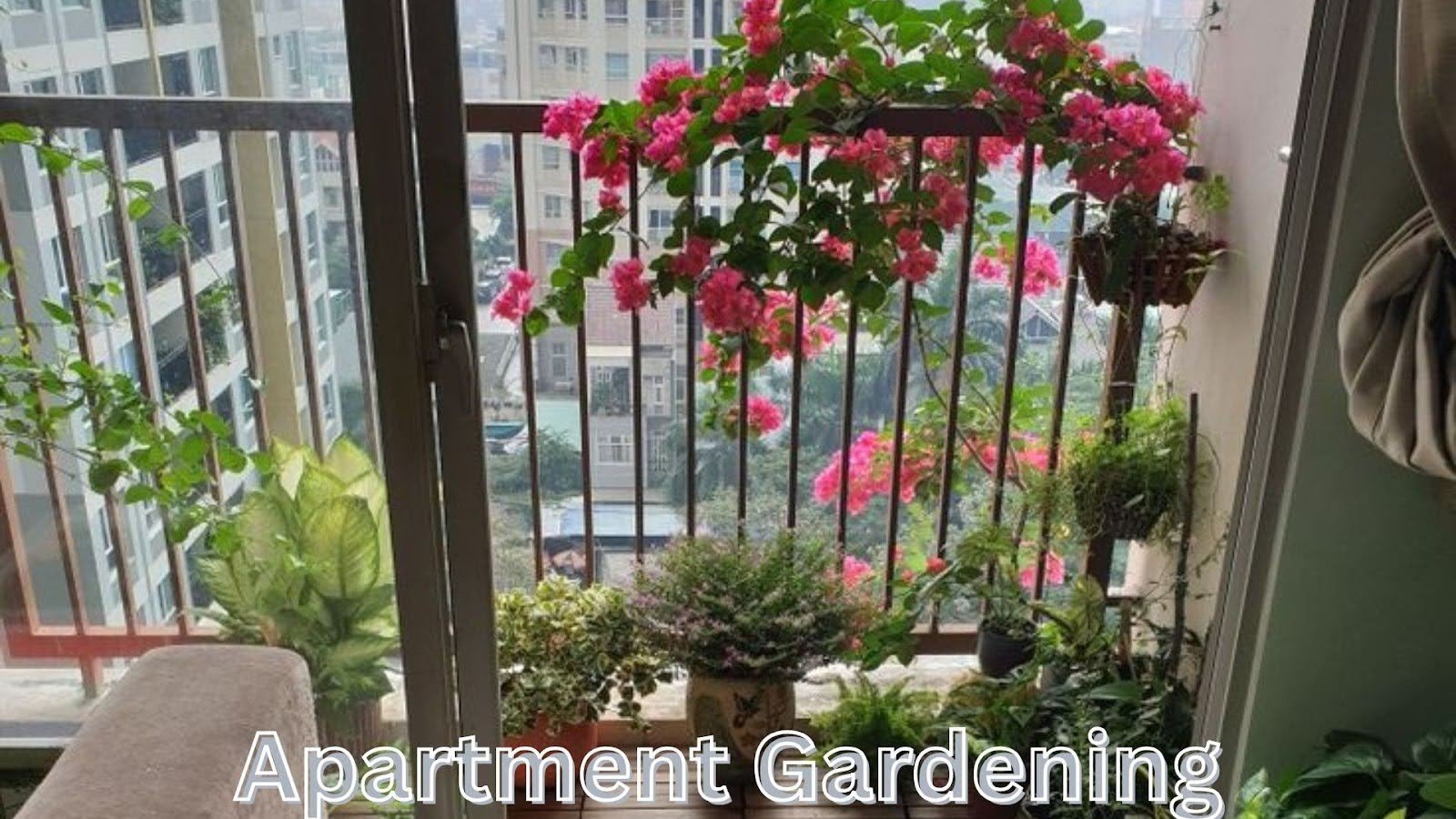
Think you need space to grow your own fresh herbs, vegetables, and flowers? Think again. With thousands of people now growing food upon windowsills, balconies, and kitchen counter tops, it’s no longer necessary to have a garden or even a patio to grow homegrown tomatoes or fresh basil.
If you have a little bit of sunlight and the right kinds of plants suit your space, everyone can garden in an apartment. Some knowledge and a few supplies allow for produce harvesting in weeks.
This guide will teach you how to start your very first container garden. You will learn about how to choose the right containers and about how to select the right plants to grow indoors. Begin now, roll up your sleeves.
How to Start Your Apartment Gardening?
Getting started with apartment gardening is easier than most people think when you break it down into simple steps.
Step 1: Assess Your Space and Light
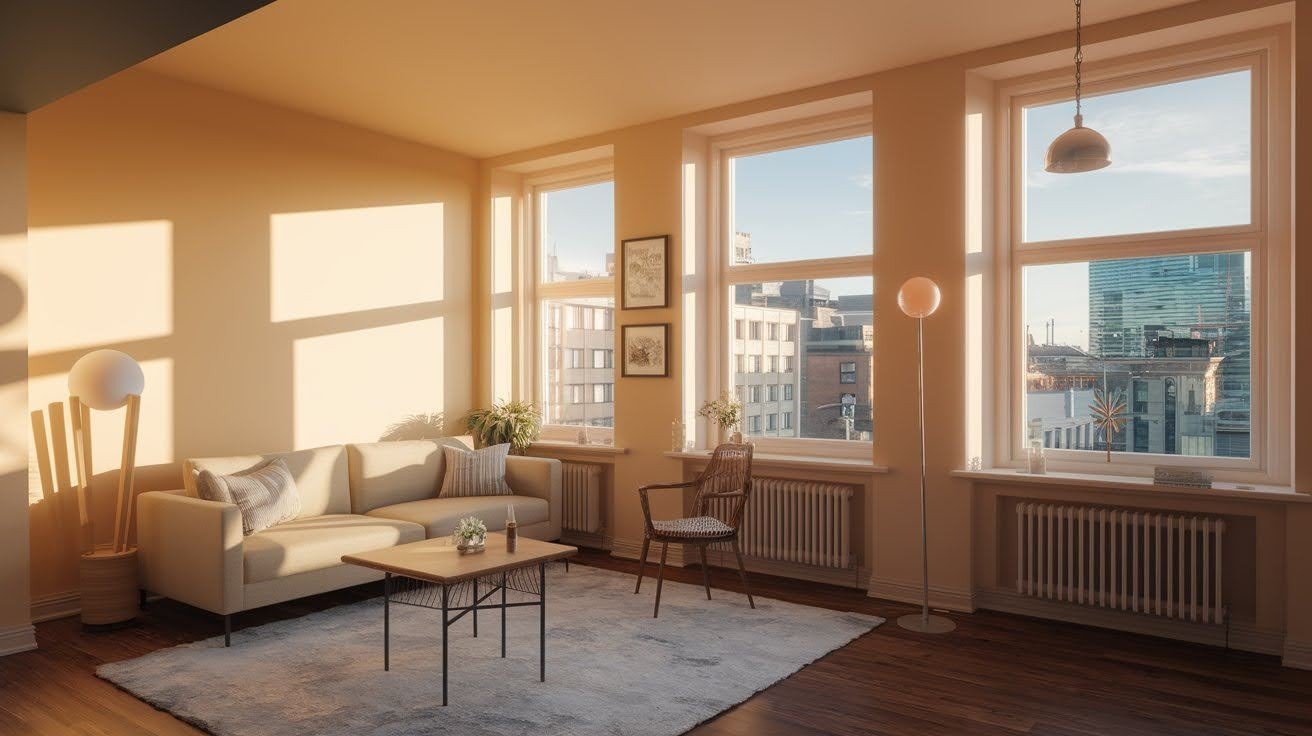
Before buying a single seed, spend one full day watching where sunlight hits your home. Grab a notebook and check every hour from morning to evening. Write down which windows get bright light and for how long.
Your light situation determines everything else. Full sun means 6-8 hours of direct sunlight hitting your plants. Partial sun is 4-6 hours. Anything less counts as shade. South-facing windows usually get the most light, while north-facing ones stay pretty dark all day.
Don’t forget about city life challenges. Tall buildings next door can block the afternoon sun. Brick walls soak up heat and make your balcony hotter than expected. Strong winds on higher floors can dry out plants fast.
Step 2: Choose Your Containers
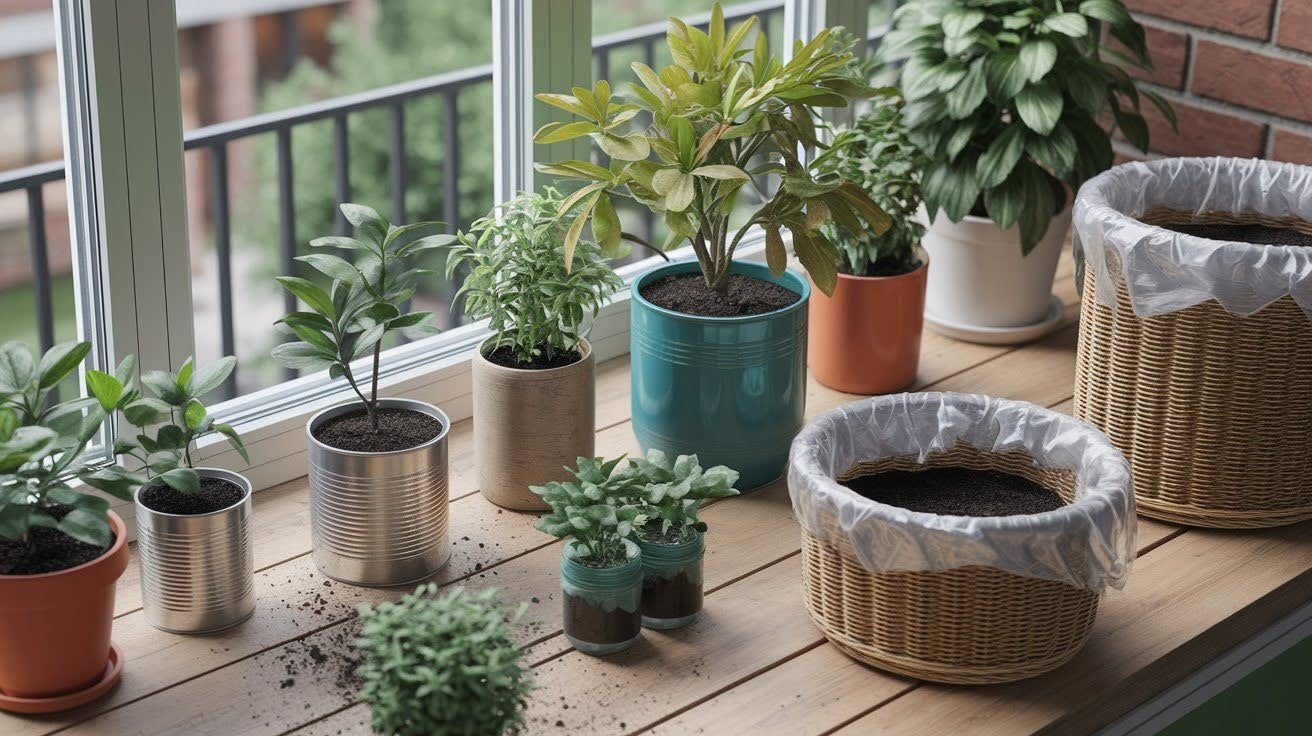
Any container works for apartment gardening as long as water can drain out the bottom. Drill holes in the base if your chosen pot doesn’t have them already. Plants sitting in water will rot and die within days.
You don’t need to spend much money here. Old coffee cans, plastic storage bins, and mason jars all make great homes for plants. Wicker baskets lined with plastic work beautifully for herbs. Just punch drainage holes in whatever you use.
Check weight limits if you’re using a balcony or windowsill. Wet soil gets heavy fast. A large pot can weigh 50 pounds when full of damp dirt. Self-watering containers help busy people keep plants alive.
Step 3: Select the Right Potting Mix

Never use dirt from outside for container plants. Garden soil gets too hard and heavy in pots. It blocks air from reaching plant roots and drains poorly. Your plants will struggle and might die even with perfect watering.
Buy bags labeled “potting mix” instead. This special blend stays loose and fluffy. It holds moisture while letting extra water drain away. Air pockets throughout the mix let roots breathe properly.
A good potting mix feels light when you squeeze it. Look for ingredients like peat moss, coconut coir, perlite, or vermiculite on the label. These materials create the perfect texture for apartment gardening.
Step 4: Pick Beginner-Friendly Plants
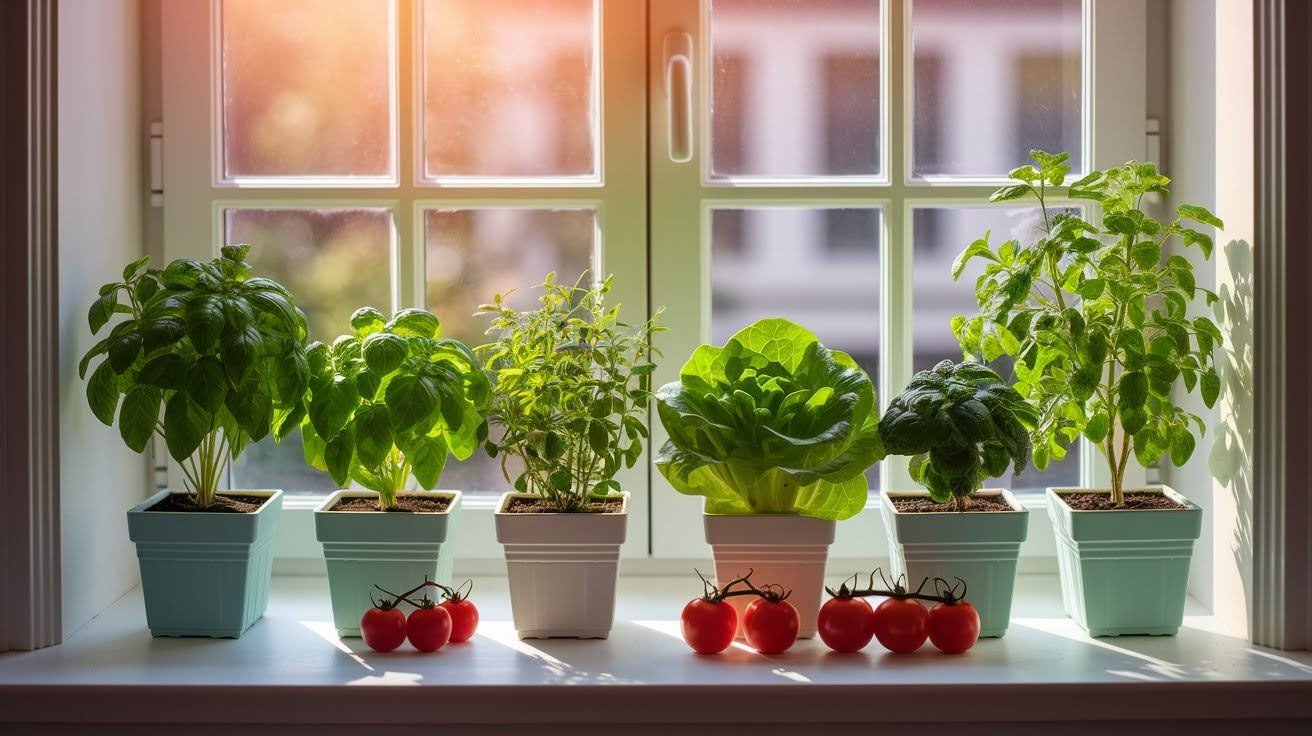
Match your plant choices to the light you actually have. Don’t buy tomatoes for a north-facing window or ferns for a hot, sunny balcony. Read plant tags carefully and be honest about your conditions.
Begin with just 2-3 plants for your first try at apartment gardening. Herbs like basil and mint are nearly impossible to kill. Lettuce grows fast and doesn’t need much attention. Cherry tomatoes produce tons of food if you have sunny spots.
Nursery plants cost more but give you a head start. Seeds take longer, but let you grow more varieties. For your first round, buy small plants from a garden center. You’ll see results faster and learn the basics without waiting weeks for seeds to sprout.
Step 5: Set Up Your Watering System
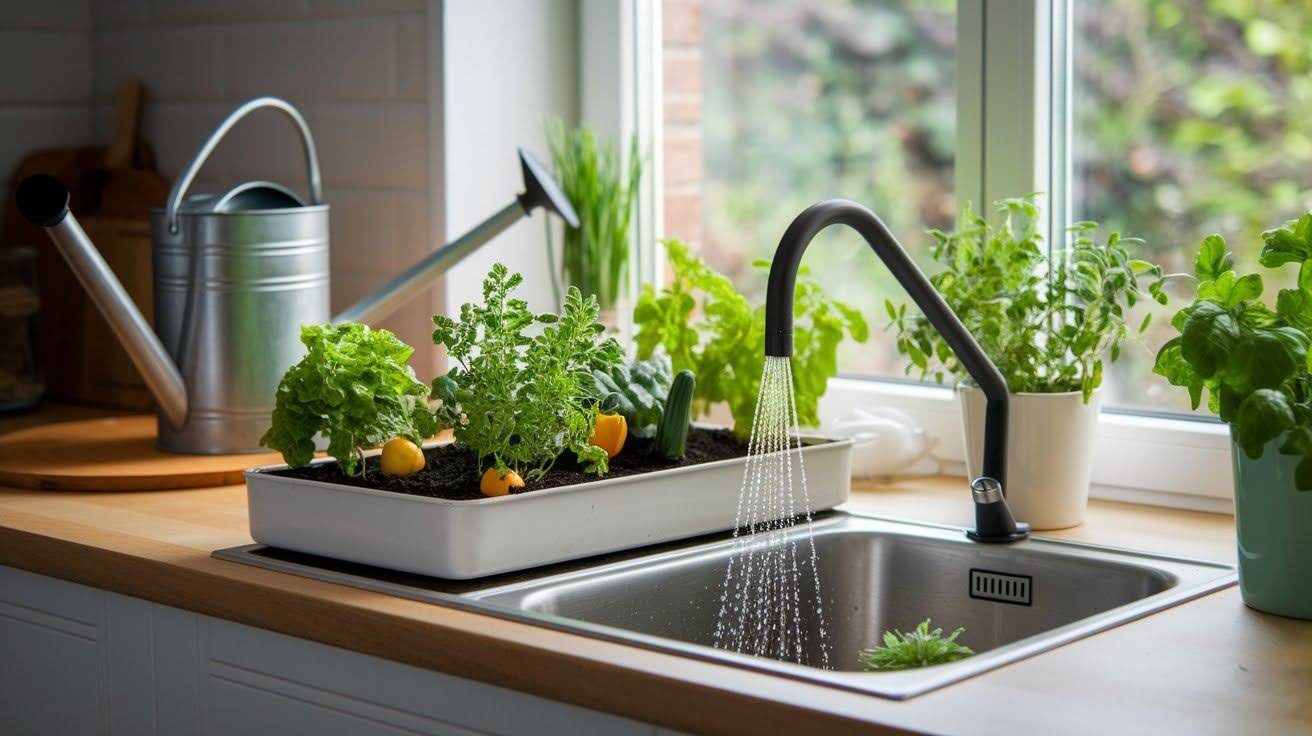
Put your plants somewhere near a sink or bathroom. Carrying watering cans across your home gets old fast. You’ll water more consistently when it’s convenient. A spot near your kitchen sink works great for herbs you use while cooking.
Container plants need water almost every day during warm months. The soil dries out much faster than ground gardens. Check your plants daily by sticking your finger in the dirt. This habit takes 30 seconds and prevents most problems.
A simple watering can with a long spout works perfectly. Some people attach a hose to their kitchen faucet for easier filling. Whatever method you pick, make it simple enough that you’ll actually do it.
Best Plants for Apartment Container Gardening
Choosing the right plants makes the difference between success and giving up after a few months.
Easy Herbs for Small Spaces
Herbs are perfect starter plants for apartment gardening. Mint grows like crazy in any pot with drainage. Chives come back year after year without replanting. Parsley handles shade better than most herbs.
Most herbs need 4-6 hours of sunlight daily. Snip leaves regularly to keep plants bushy and full. Harvest from the top and sides, never stripping all leaves at once. Fresh growth appears within days of cutting.
Plant mint alone in its own pot. This aggressive grower will choke out everything else if given the chance. Basil, thyme, and parsley share space nicely. Keep rosemary separate, too, since it prefers drier soil than other herbs.
Quick-Growing Salad Greens
Lettuce, spinach, and arugula produce food fast. Seeds sprout within a week, and you’re eating salads in 3-4 weeks. These shallow-rooted plants don’t need deep pots. A container just 6 inches deep works fine for growing greens all year.
Salad greens tolerate partial shade better than most vegetables. They actually prefer cooler temperatures and can taste bitter in the hot summer sun. This makes them perfect for apartment gardening in less-than-ideal light.
Harvest outer leaves while letting the center keep growing. This “cut and come again” method provides fresh greens for months from one planting. Sow new seeds every 2-3 weeks for a continuous supply.
Vegetables That Thrive in Pots
Tomatoes top the list for apartment gardening vegetables. Choose dwarf or determinate varieties labeled for containers. These compact plants stay under 3 feet tall and produce full-sized tomatoes.
Peppers love container life even more than tomatoes. Hot pepper plants often grow indoors year-round on sunny windowsills. Sweet bell peppers need slightly larger pots but produce heavy crops.
Look for varieties specifically bred for patios and small spaces. Seed catalogs label these as “patio,” “compact,” or “dwarf” types. These aren’t different vegetables – just smaller versions that fit apartment living.
Fruits for Indoor-Outdoor Growing
Meyer lemons work surprisingly well for apartment gardening. These dwarf citrus trees live happily in large pots for years. They need 6-8 hours of direct sun daily and like humidity. Move them outdoors in summer and back inside before frost.
Strawberries grow perfectly in window boxes and hanging baskets. Their shallow roots don’t need much soil depth. Each plant produces runners that create new baby plants. Six hours of sun keep them producing berries from spring through fall.
Both fruits need bigger containers than vegetables. Use 14-inch pots minimum for citrus trees and 8-inch pots for strawberries. These plants produce for multiple years when cared for properly.
Important Apartment Garden Care
Keeping your plants healthy requires just a few minutes of attention every day or two.
Watering Your Container Garden
Stick your finger 1-2 inches into the soil before watering. Dry soil means water now. Damp soil means wait until tomorrow. This simple finger test prevents both overwatering and underwatering. Most apartment gardening failures come from guessing instead of checking.
Small plants in small pots dry out faster than large plants in big containers. Hot weather and wind increase water needs dramatically. On summer balconies, you might water twice daily. During cool spring weather, every other day might be enough.
Rain rarely provides enough water for containers. Even during storms, leaves often block rain from reaching the soil. Balcony overhangs deflect most rainfall away from plants. Keep watering your apartment gardening containers even on rainy days.
Feeding and Fertilizing
Container plants eat up nutrients fast since they can’t spread roots looking for food. Add water-soluble fertilizer every 2-4 weeks during the growing season. Mix it according to package directions. More is not better and can burn roots.
Check if your potting mix includes fertilizer before buying extra. Many mixes contain food that lasts 3-6 months. The bag will say “feeds up to X months” if it includes nutrients. Wait until that period ends before adding more fertilizer to your apartment gardening containers.
Different plants need different feeding schedules. Tomatoes and peppers are heavy feeders wanting food every 2 weeks. Herbs need less – once monthly keeps them happy. Lettuce barely needs feeding at all.
Dealing with Pests and Diseases
Indoor apartment gardening attracts fewer pests than outdoor gardens, but problems still happen. Aphids, spider mites, and fungus gnats are the most common issues. Check plants closely while watering and harvesting.
No ladybugs or birds live inside to eat pests naturally. You’re the pest control system. Wipe off small bug colonies with soapy water on a cloth. Spray heavily infested plants with insecticidal soap from garden centers.
Isolate sick plants immediately so problems don’t spread. Move them to another room away from healthy plants. Treat the issue before returning them to your main growing area. Sometimes it’s better to toss one badly infected plant than risk losing everything.
Tips for Year-Round Apartment Gardening
Keep your plants producing through all seasons with these strategies.
- Move tender plants inside before the first frost: Peppers, herbs, and citrus trees die in freezing weather. Bring them indoors in the fall to keep growing through the winter months.
- Use frost-proof planters for year-round outdoor growing: Plastic and resin containers won’t crack in cold weather. Ceramic and terracotta pots often shatter when water inside freezes and expands.
- Try cold-tolerant annuals like pansies: These colorful flowers survive light frosts and bloom through winter in many climates. They keep balconies looking alive when other plants have died back.
- Store dormant plants in an unheated garage: Perennials that drop leaves in winter need a cold rest period. A garage stays just warm enough to prevent root damage but cold enough for proper dormancy.
- Reduce watering frequency as days get shorter: Plants grow more slowly in winter and need less water. Check the soil before watering since damp dirt stays wet longer in cool weather.
- Rotate plants near windows for even growth: Indoor plants lean toward light sources. Turn pots a quarter rotation each week so all sides get equal sun exposure. This keeps plants growing straight and full.
- Start planning next season while current plants rest: Winter is perfect for apartment gardening research. Read seed catalogs, watch growing videos, and order supplies. You’ll be ready when spring arrives.
Conclusion
A small apartment is not a barrier to growing food and plants inside a home. Thousands of people in tiny apartments can live with the right approach, together with realistic expectations.
A great part of apartment gardening includes having fresh herbs, salad greens, or tomatoes for harvest just weeks after planting the seeds, and nothing tastes as good. Gardening lowers stress levels and connects a person to the earth, even when that person lives in the city.
For this week, pick two or three easier plants then start the first containers. Stick your finger into the soil every day, water when necessary, and observe. Things grow! Mistakes happen, but plants are forgiving teachers.
Frequently Asked Questions
What vegetables grow best in apartment containers?
Tomatoes, peppers, lettuce, spinach, and herbs thrive in pots. Cherry tomatoes and hot peppers produce the most food in small spaces. Leafy greens like lettuce and arugula grow fast with less light. Start with these proven winners before trying difficult vegetables.
How often should I water my apartment garden?
Most container plants need watering daily during warm months. Check soil moisture by sticking your finger 1-2 inches deep. Water when the soil feels dry at that depth. Smaller pots dry out faster than large ones. Weather, plant size, and pot size all affect watering frequency.
Can I grow plants without a balcony or patio?
Yes, many plants grow successfully on sunny windowsills. Herbs, lettuce, and small pepper plants work great indoors. South or west-facing windows provide the best light. Use grow lights if your windows don’t get 4-6 hours of direct sun daily for better results.
What containers work best for apartment gardening?
Any container with drainage holes works fine. Plastic pots are lightweight and inexpensive. Fabric grow bags breathe well and prevent root circling. Self-watering containers help if you travel often. Avoid pots without drainage since trapped water kills roots quickly.
Do I need special soil for container plants?
Yes, use potting mix instead of garden soil. Regular dirt becomes too heavy and dense in containers. Potting mix stays loose, drains well, and lets air reach roots. Buy bags labeled “potting mix” or “container mix” from garden centers. One bag fills multiple pots affordably.