
Is a flower garden something you have been wanting to start, but feel uncertain about where to start? You are not the only one. A lot of new gardeners are troubled by the issue of selecting plants that are not going to die.
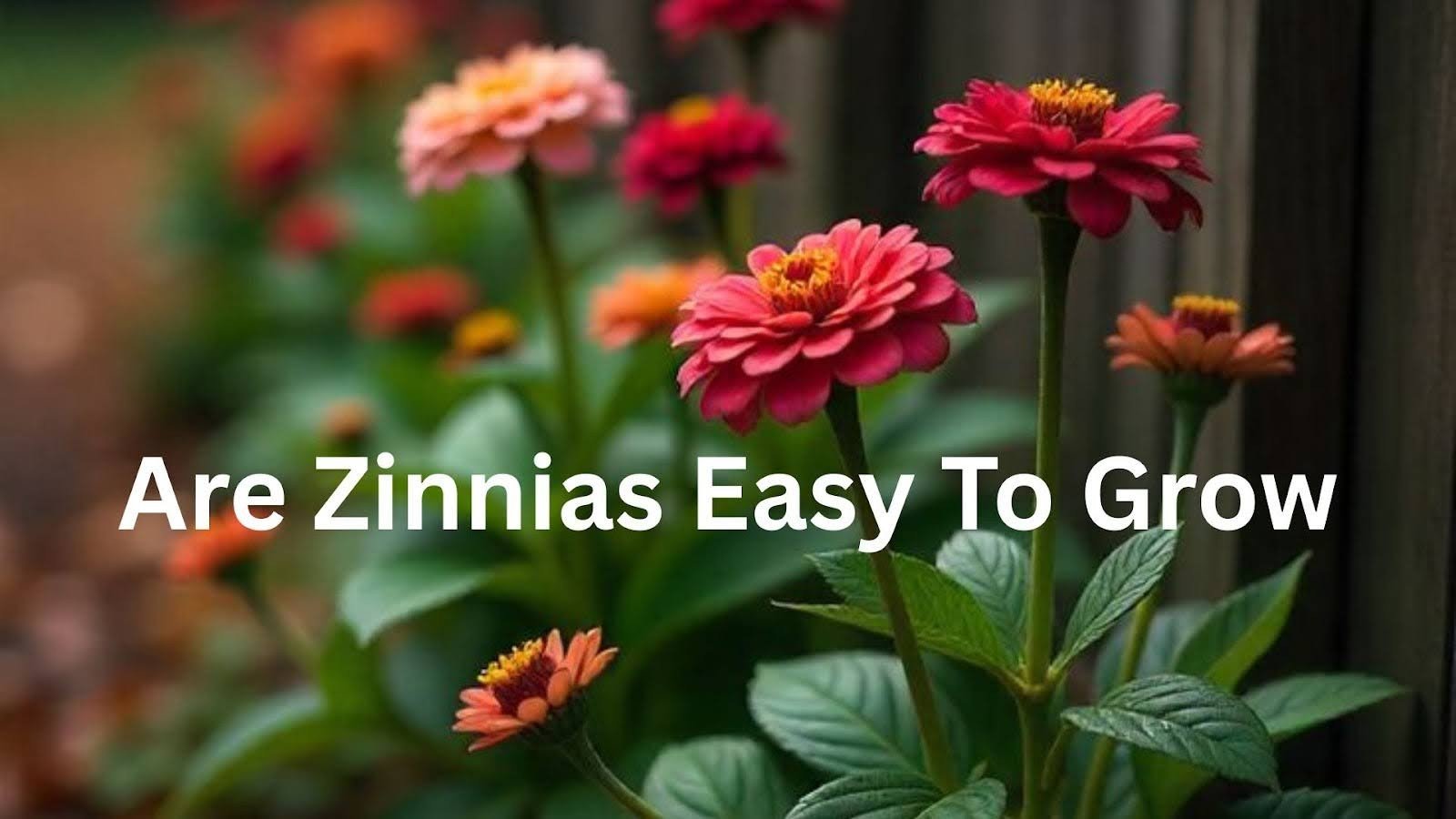
Are zinnias difficult to grow? No, they really are not. These bright flowers are very often referred to as being forgiving, quick-growing, and an excellent choice for a beginner. They are free from the need for a fancy piece of equipment or a complicated care routine.
I will demonstrate to you how little effort it takes to have these lovely flowers in your garden. From the time when you plant your seeds and through the care of your flowers, you will be walking the path of success with zinnias in your garden.
Yes, Zinnias Are Among the Easiest Flowers to Grow
If you’re asking, “Are zinnias easy to grow?” the answer is a clear yes. These flowering annuals are considered one of the best choices for beginners who want quick results without a lot of fuss.
What makes them so beginner-friendly? They grow fast, usually blooming within 55 to 65 days from seed. This means you won’t wait all season to see results. They also produce flowers continuously throughout the summer, giving you more blooms than many other annual plants.
Zinnias actually thrive in hot weather when other flowers struggle. Summer heat doesn’t slow them downit makes them stronger. This makes them ideal for warm-season gardens where you want reliable color from June through the first frost.
What Makes Growing Zinnias So Simple
When you ask, “Are zinnias easy to grow?” the answer comes down to their basic needs. These flowers don’t require complicated care schedules or hard-to-find supplies, which makes them perfect for your first gardening experience.
Minimal Requirements for Success
Zinnias need full sun to perform their best. This means giving them a spot that gets 8 to 10 hours of direct sunlight each day. Without enough light, they’ll grow thin and produce fewer flowers.
You’ll want to water them regularly and feed them occasionally with basic plant food. The key is keeping the soil consistently moist but not soggy. These aren’t picky plantsthey just want the basics done right.
Finally, wait until after your area’s last frost date to plant. Zinnias can’t handle cold temperatures, so timing matters. Once the soil warms up and the weather stabilizes, you’re ready to start. That’s really all there is to it!
Direct Seeding Made Easy
One reason zinnias are easy to grow is that you can scatter their seeds directly where you want them to bloom. This method is sometimes called the “Lazy Woman’s Method” because it requires almost no effort. No starting seeds indoors or buying special trays.
The seeds sprout quickly in warm soil without any help. You don’t need to transplant seedlings or worry about moving plants around. Just prepare your garden bed, spread the seeds, and cover them lightly with soil.
This direct approach saves time and money. You skip the whole transplanting step that stresses out both plants and gardeners. The seeds know what to do once they hit warm, moist soilthey just grow.
Step-by-Step Guide for Beginners
Let me walk you through the simple process of growing zinnias from start to finish. Following these basic steps will help you succeed, even if you’ve never grown flowers before.
When to Plant Zinnia Seeds
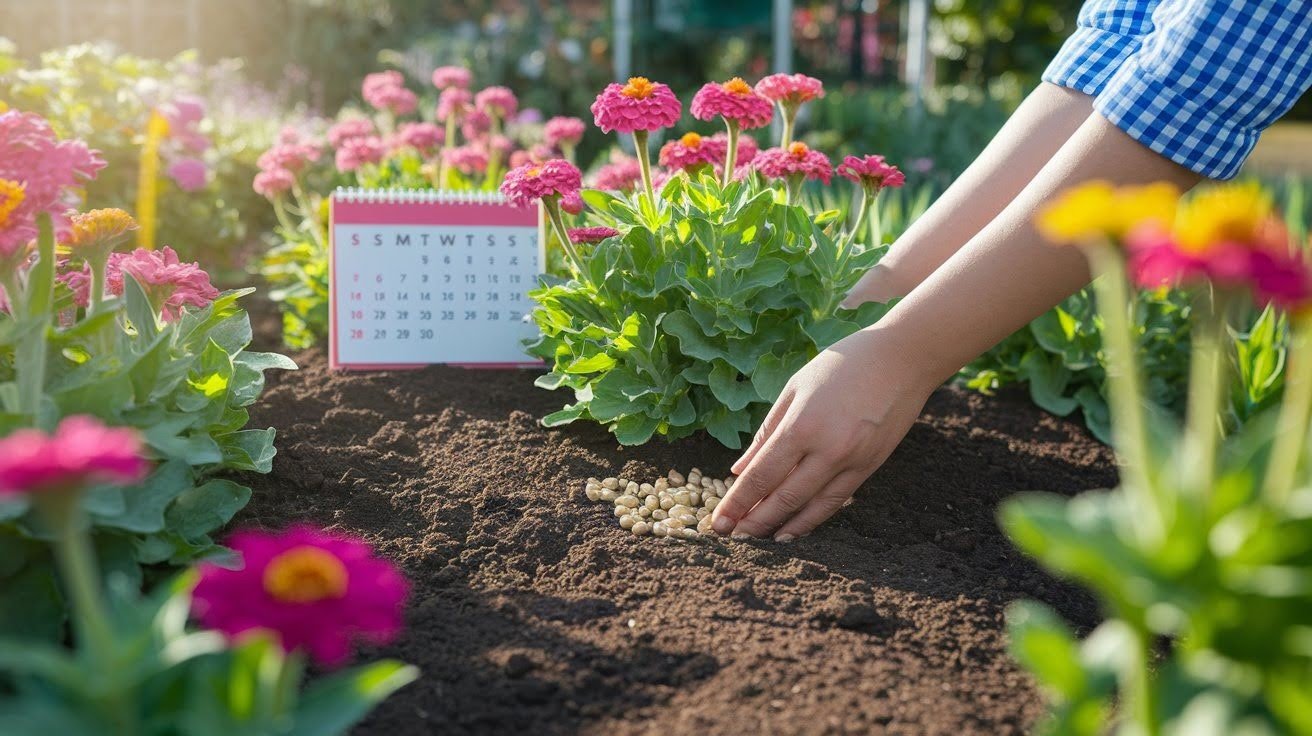
Timing is important for zinnia success. Wait until all danger of frost has completely passed in your area. Check your local frost dates online or ask at a nearby garden center if you’re not sure.
For fall blooms, you’ll need to plan. Plant at least 60 to 75 days before your first expected fall frost. This gives the plants enough time to grow and produce flowers before cold weather arrives.
You can also practice succession planting. This means planting new seeds every 2 to 3 weeks throughout the growing season. This technique keeps fresh flowers coming all summer long and gives you continuous color in your garden.
Where to Plant for Best Results

Zinnias work well in several locations. Try them in pollinator gardens, traditional flower beds, or raised beds. All of these settings can work as long as you meet their basic needs.
The most important factor is sun exposure. Choose spots that receive maximum sunlight throughout the day. South-facing locations usually work best since they get the most consistent sun.
Don’t worry about zinnias falling over in bad weather. Despite growing quite tall, they hold up surprisingly well to summer rainstorms. Their sturdy stems handle wind and rain better than you might expect.
How to Plant Zinnia Seeds
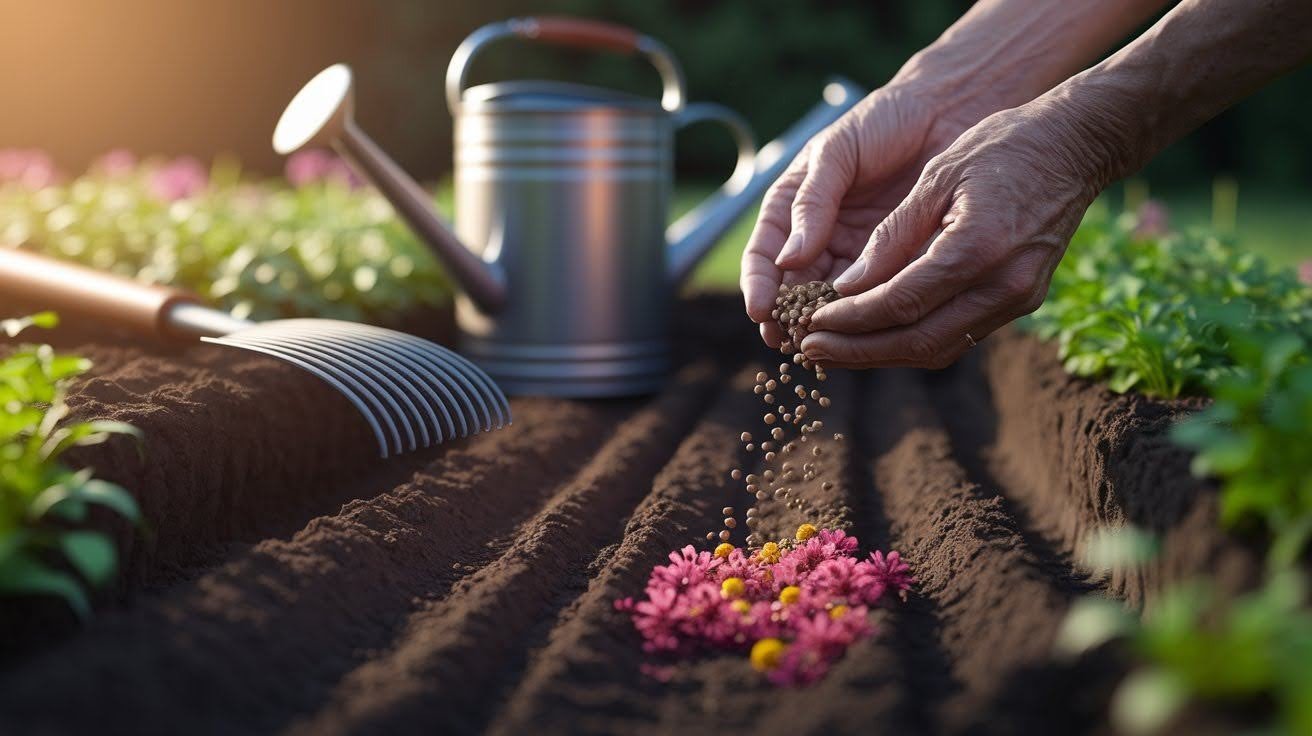
Planting zinnia seeds is as simple as it gets. Take a handful of seeds in your palm and scatter them over prepared soil. Spread them out so they have room to grow, but don’t stress about perfect spacing.
Cover the seeds lightly with soil using a hand rake or small shovel. They only need about a quarter-inch of soil on top. Too much soil makes it harder for the seeds to sprout.
Water the area thoroughly after planting. Keep the soil moist until you see seedlings appear, which usually takes about 5 to 7 days. Here’s a tip: you can leave seeds attached to dried flower petals. This makes them easier to see and spread evenly.
Compact Varieties for Small Spaces
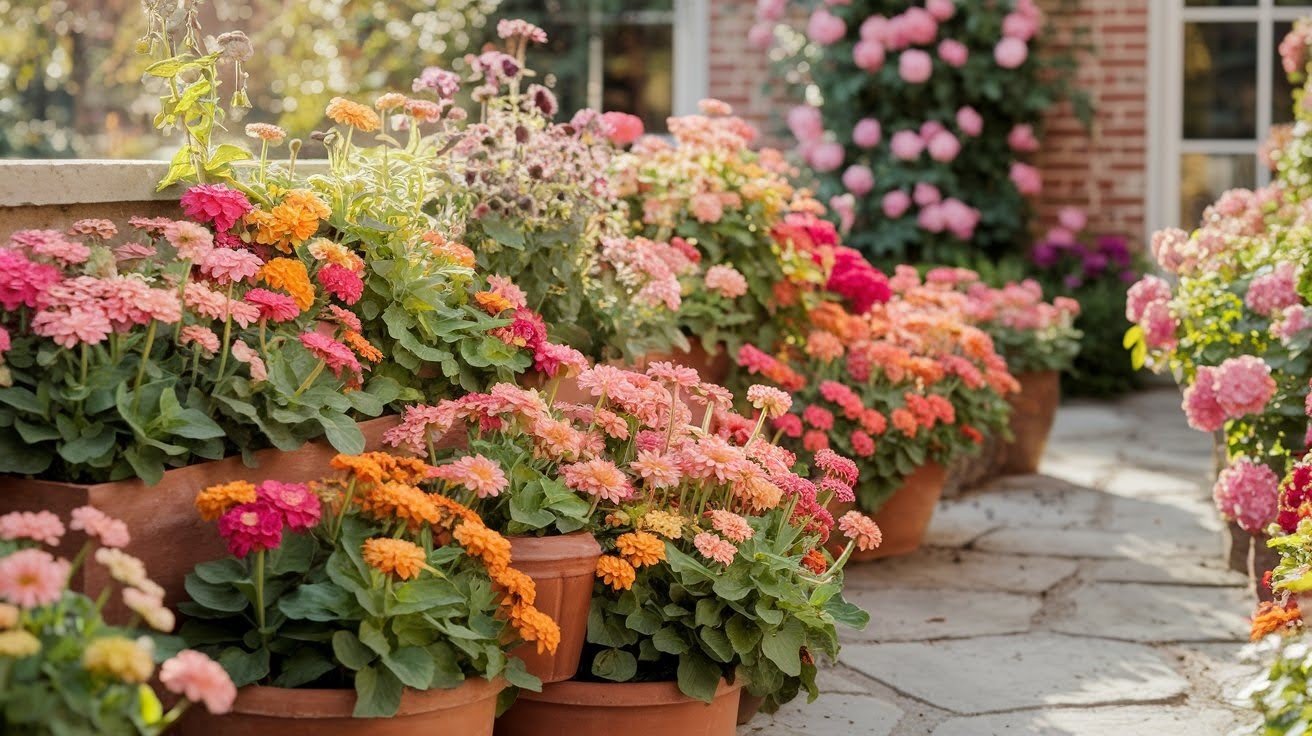
Not everyone has a large garden space, and that’s okay. Compact zinnia varieties like Lilliput, Thumbelina, and Pumila selections grow shorter and bushier. These types typically stay under 12 inches tall.
These smaller varieties are perfect for beginners with limited space. You can grow them in containers on patios, along walkways, or in small corner beds. They produce plenty of flowers despite their shorter height.
The compact types also work well for edging larger beds. Plant them in front of taller flowers to create layers in your garden. Their smaller size makes them easier to manage and less likely to need staking.
Show-Stopping Large Varieties
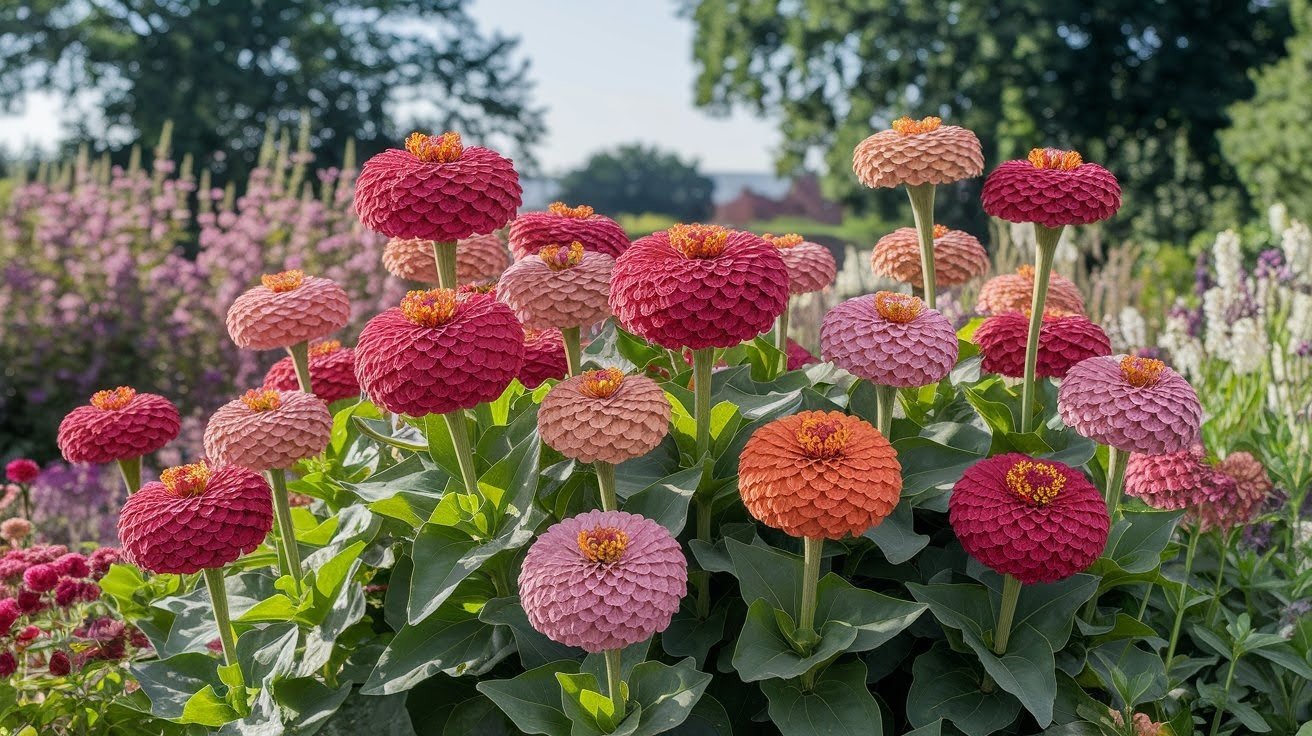
If you want impressive, large flowers, try Benary Giant or Magellan varieties. These zinnias produce blooms up to 6 inches across, bigger than your hand! The flowers come in bright, rich colors that stand out from across the yard.
These varieties grow up to 4 feet tall but remain surprisingly sturdy. You usually don’t need to stake them even at their full height. They make excellent cut flowers because of their long stems and large blooms.
Cactus-flowered heirloom types offer something different. Their petals have a unique quill-like shape that creates an interesting texture. These varieties prove that zinnias are easy to grow, even when you want something special and unusual.
Transplant-Ready Series
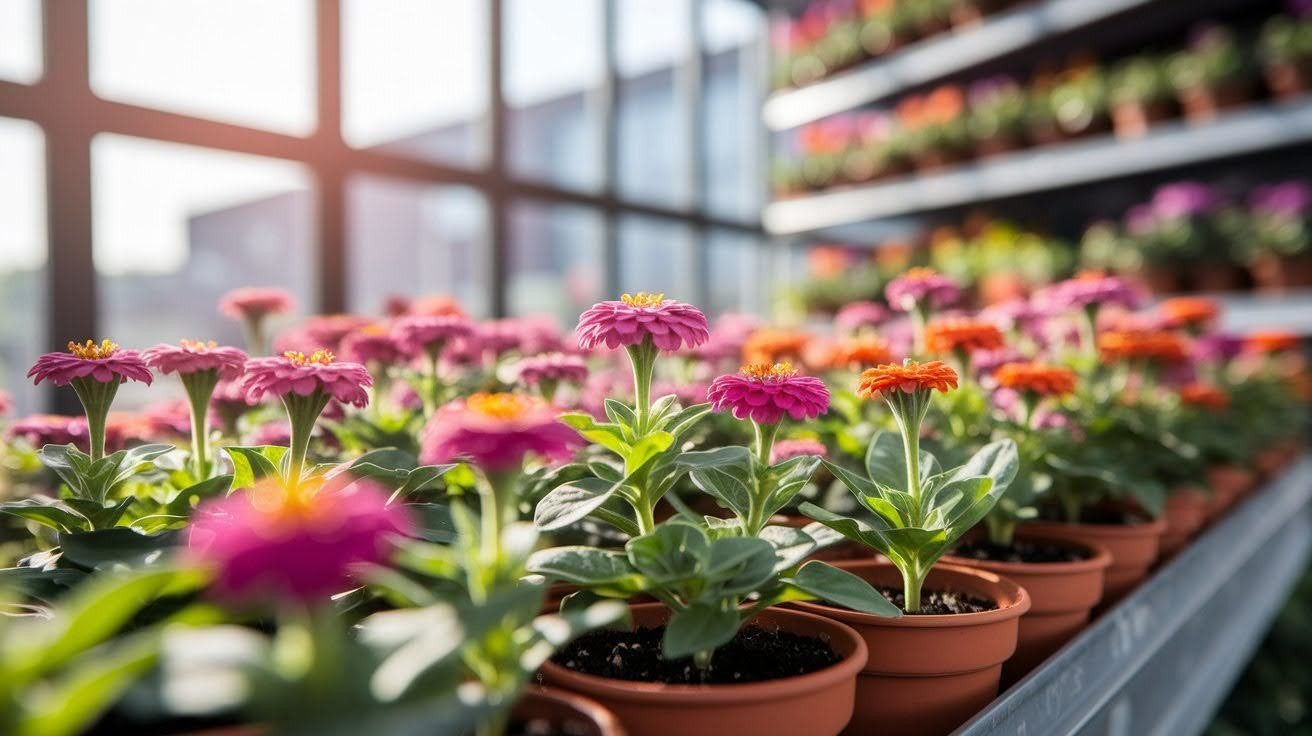
Some zinnia series work better when started as transplants rather than seeds. Profusion and Zahara series fall into this category. These varieties have been bred to perform best when given a head start indoors.
You’ll find these as starter plants at garden centers in spring. They cost a bit more than seed packets but save you time. They’re already growing and will bloom sooner than seeds planted directly in the ground.
These series offer disease resistance and compact growth habits. If you’re nervous about starting from seed or want faster results, buying transplants is a smart choice. They’re still low-maintenance once planted in your garden.
Caring for Your Zinnias After Planting
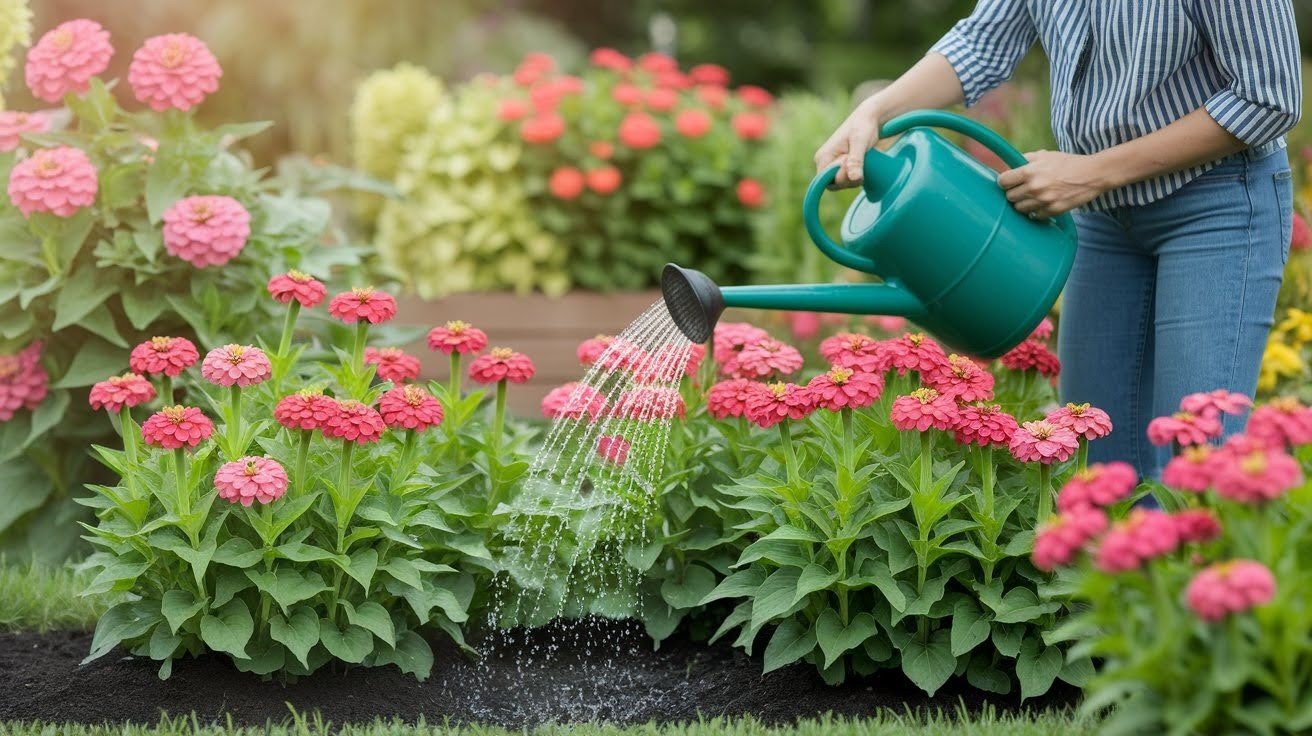
Once your zinnia seeds are in the ground, the fun really begins! I always check on mine every morning, making sure the soil stays evenly moist. Zinnias don’t like soggy roots, so a gentle watering routine.
Feeding your zinnias is easier than it sounds. I usually give mine a light dose of balanced fertilizer every 3-4 weeks. It keeps the flowers vibrant and the stems strong. If you’re like me and enjoy snipping blooms for your home.
Don’t forget to give your zinnias some space to breathe. I try to thin crowded seedlings so each plant has room to grow tall and flourish. A little extra attention now saves you from battling overcrowding later, and you’ll be rewarded with fuller, more colorful blooms all season long.
Simple Maintenance Tips
Once your zinnias are growing, they need very little care to keep them healthy and blooming. Here’s what you should do throughout the growing season:
- Water at the base of plants: To keep leaves dry and prevent fungal diseases. Use a soaker hose or water early in the morning so foliage dries quickly.
- Deadhead spent flowers: Regularly by pinching or cutting off faded blooms. This simple task encourages the plant to produce more flowers instead of making seeds.
- Apply a balanced fertilizer: Every 3 to 4 weeks during the growing season. Use half the recommended strength to avoid overfeeding, which can reduce flowering.
- Watch for powdery mildew: On leaves, especially in humid conditions. If you see white powder on foliage, improve air circulation by thinning crowded plants.
- Cut flowers frequently: For bouquets. Zinnias make excellent cut flowers, and cutting them actually promotes more blooming. Harvest in the morning for the longest vase life.
- Pull weeds around young plants: To reduce competition for water and nutrients. Once zinnias grow larger, they’ll shade out most weeds on their own.
- Save seeds from your favorite flowers: By letting some blooms dry completely on the plant. Store dried seeds in paper envelopes in a cool, dry place for next year’s garden.
Conclusion
So, are zinnias easy to grow? Definitely. These vibrant flowers are very resilient, even if you are a complete gardening novice. By providing them with sunshine, watering regularly, and deadheading occasionally, you will have bright flowers for months that are attractive to butterflies and bees.
There are small varieties that you can choose which are perfect for limited spaces, or tall, pretty types that you can use to make your floral arrangement. The greatest thing is that zinnias almost do not need you after you have planted the seeds.
Why not start with zinnias this year and see your gardening skills increase, as well as your flowers? Take some seeds from your favorite flowers, and next year will be a walk in the park.
Frequently Asked Questions
Are zinnias easy to grow from seed?
Yes, zinnias are very easy to grow from seed. You can scatter seeds directly in your garden after the last frost. They sprout quickly in warm soil and bloom within 8 to 10 weeks, making them perfect for beginning gardeners.
Do zinnias need a lot of maintenance?
No, zinnias require minimal maintenance once established. They mainly need full sun, regular watering at the base, and occasional deadheading of spent blooms. These simple tasks keep them healthy and blooming all season without much effort.
Can I grow zinnias in containers?
Yes, zinnias grow well in containers, especially compact varieties like Thumbelina and Lilliput. Use pots at least 8 inches deep with drainage holes. Container zinnias need more frequent watering than those planted in the ground.
How long do zinnias take to bloom?
Zinnias typically bloom 55 to 65 days after planting from seed. This quick growth makes them satisfying for new gardeners. Once they start flowering, they continue producing blooms until the first frost kills them.
Do zinnias come back every year?
No, zinnias are annual flowers that complete their life cycle in one growing season. However, they drop seeds that may sprout the following year. You can also save dried seeds from your plants to replant next spring.