
Have you ever bitten into a crisp, sweet bell pepper from the store and wished you could grow that same fresh taste at home? You can. The California Wonder pepper is one of the easiest and most rewarding vegetables to grow in your backyard.
This classic sweet pepper has been a favorite since 1828. It produces large, blocky fruits with no heat at all, just a mild, grassy flavor that gets even sweeter when the peppers turn red. Home gardeners love it because it grows reliably and tastes flavorful.
In this guide, you’ll learn everything you need to know about California Wonder pepper growing. We’ll cover the best planting times, soil prep, watering tips, and how to get the biggest harvest. By the end, you’ll be ready to grow your own crunchy, vitamin-packed peppers.
Why California Wonder Peppers Are Perfect for Your Garden?
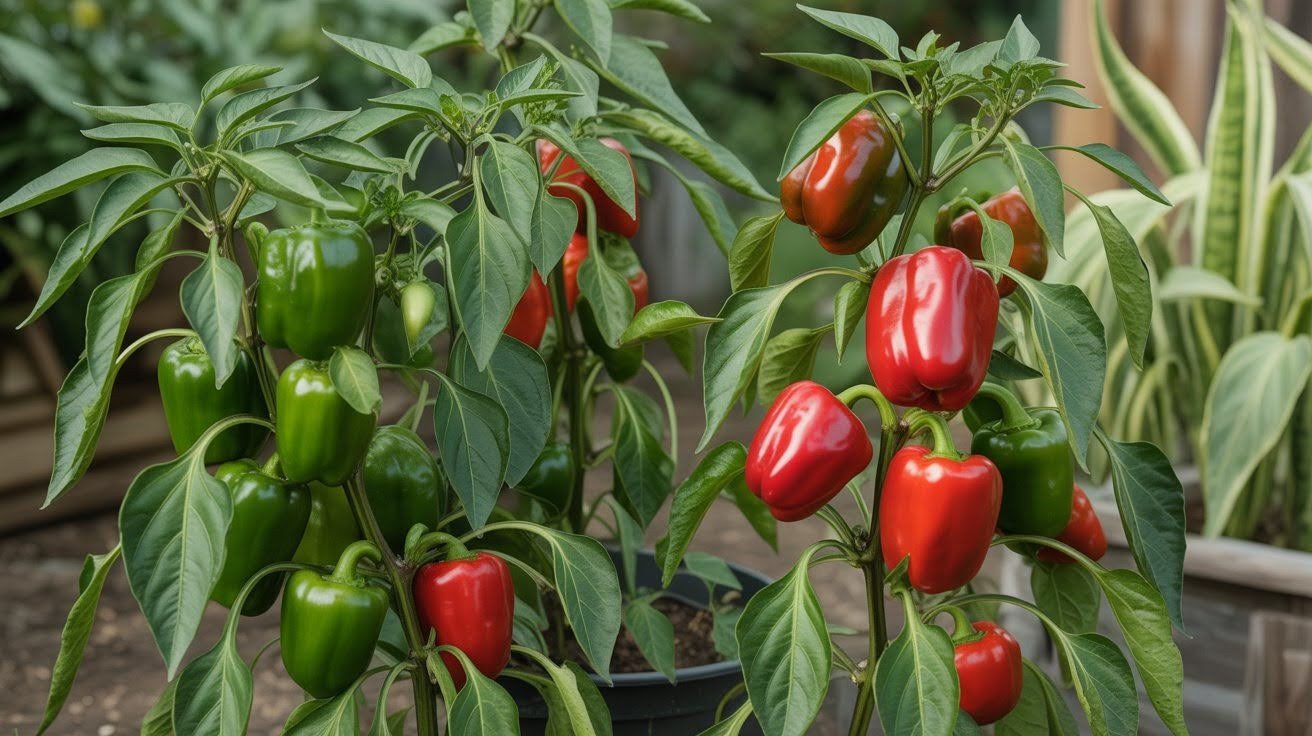
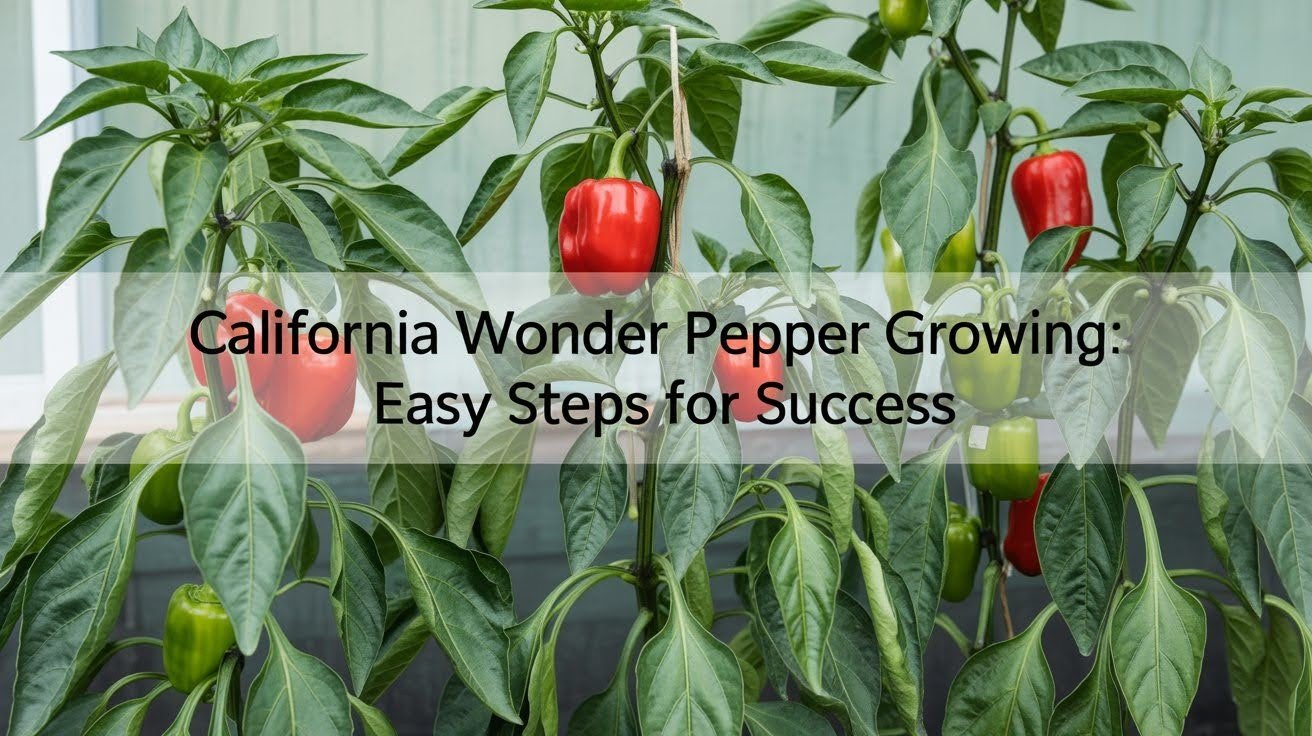
California Wonder peppers produce fruits that measure about 4 inches across. They have thick walls and a blocky shape that makes them perfect for slicing, stuffing, or eating fresh. When you bite into one, you get a sweet, mild taste with grassy notes.
These peppers start green but turn a deep red when fully ripe. The red ones taste sweeter and have even more nutrients. They’re loaded with vitamins A, C, B6, and K, plus fiber and potassium.
This heirloom variety grows well in garden beds and containers alike. It’s reliable and produces plenty of peppers through the season. Whether you’re cooking, making salads, or stuffing peppers for dinner, California Wonder delivers every time.
Steps to Grow California Wonder Peppers Successfully
California Wonder pepper growing becomes simple when you follow these five key steps. Each one builds on the last to help your plants thrive.
Step 1 – Start Your Seeds at the Right Time
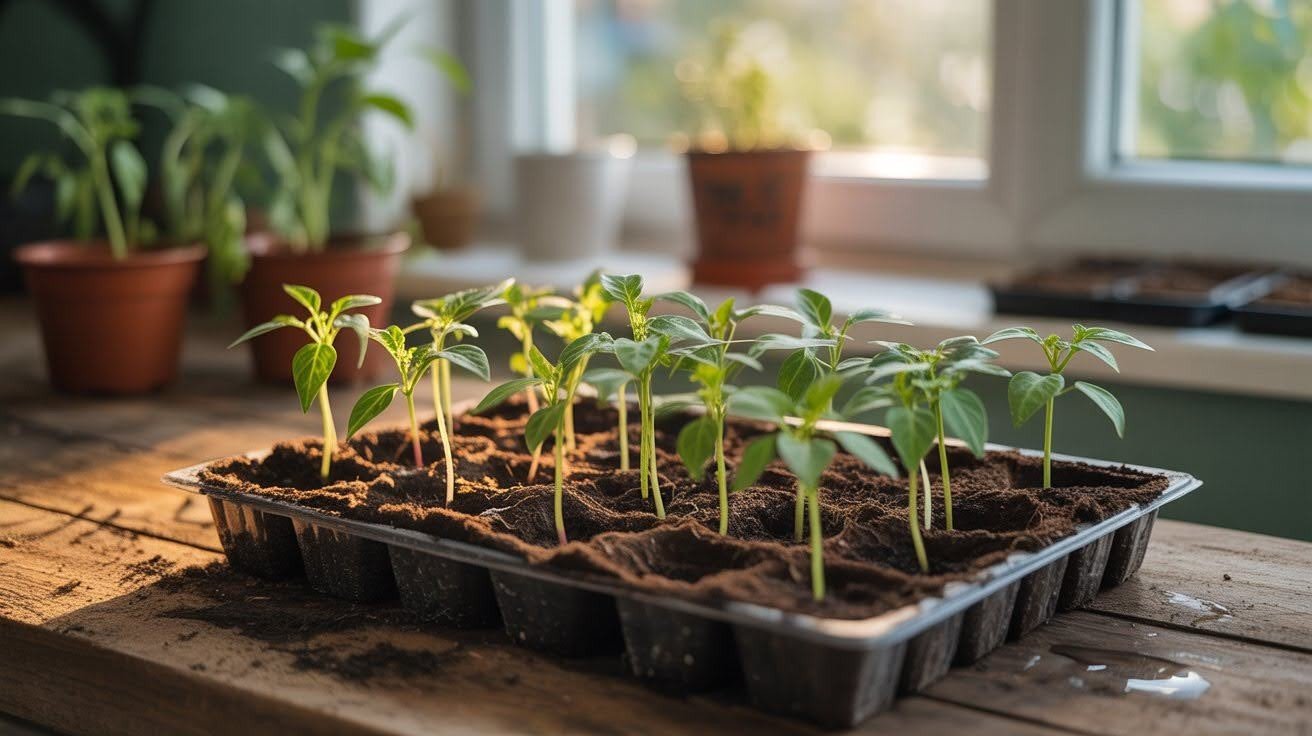
Start your pepper seeds indoors about 6 to 8 weeks before your area’s last frost date. You can also plant seeds directly in the garden once the soil temperature reaches at least 65°F. Seeds need warmth to sprout, so keep them in a spot where temperatures stay above 70°F.
Plant each seed about 1/4 inch deep in a seed-starting mix. Keep the soil moist but not soaking wet. Check the soil daily and water when the top feels dry to the touch.
Seeds usually sprout within 7 to 14 days when conditions are right. The warmth matters more than anything else at this stage.
Step 2 – Prepare Your Soil Properly
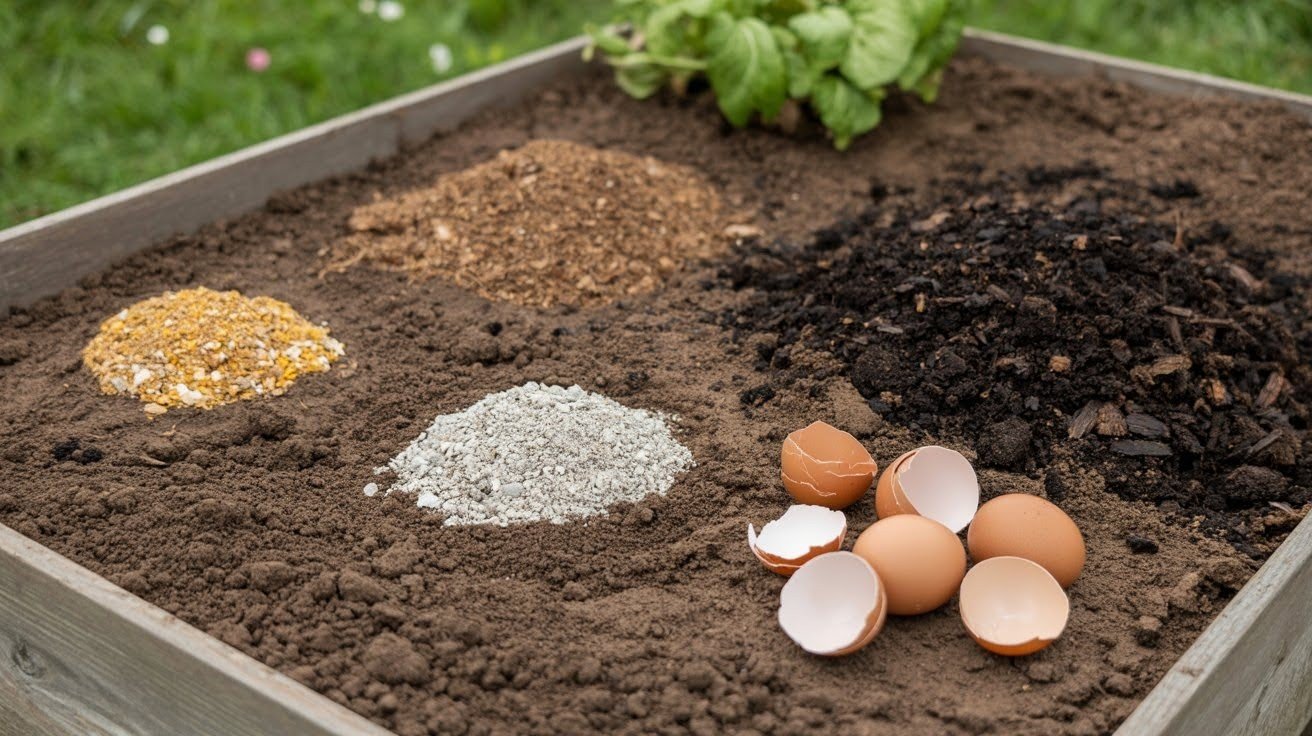
Peppers need well-drained soil that won’t hold too much water. Sandy loam works best. Test your soil pH and aim for a range between 6.2 and 7.0 for the healthiest plants.
Mix several inches of compost or aged manure into your planting area a few weeks before transplanting. This adds nutrients and improves drainage. Add a balanced fertilizer like 5-10-10 to give plants a good start.
Mix in bone meal or crushed eggshells, too. These provide calcium, which helps prevent blossom end rot and other common pepper problems.
Step 3 – Transplant Seedlings Correctly
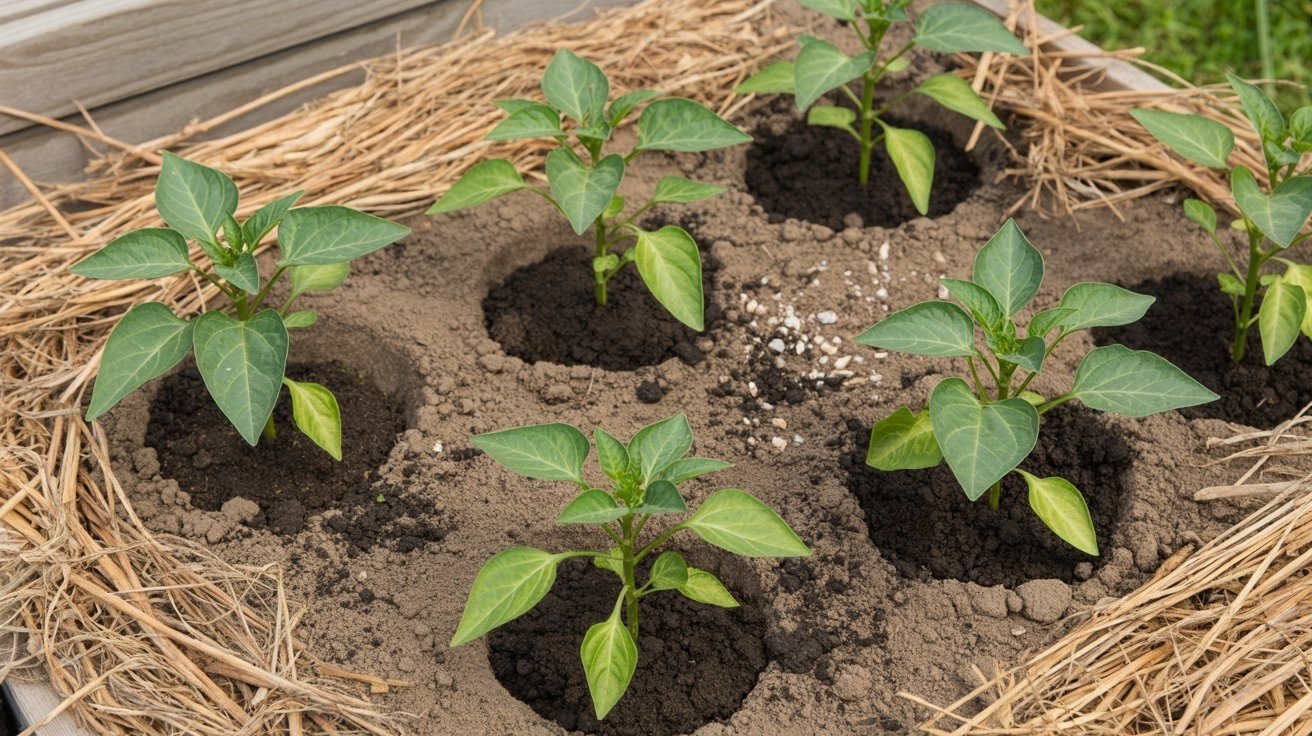
Wait until nighttime temperatures stay above 55°F before moving seedlings outside. Cold nights can shock young plants and slow their growth. Spend one week hardening off your seedlings by placing them outside for a few hours each day.
Space your plants 2 feet apart in rows that are 3 feet apart. Dig holes deep enough to plant each stem about 1 inch deeper than it sat in its pot. Add fertilizer and bone meal to each planting hole.
After planting, spread 1 to 2 inches of straw or shredded bark mulch around each plant. This keeps weeds down and helps soil hold moisture.
Step 4 – Provide the Right Growing Conditions
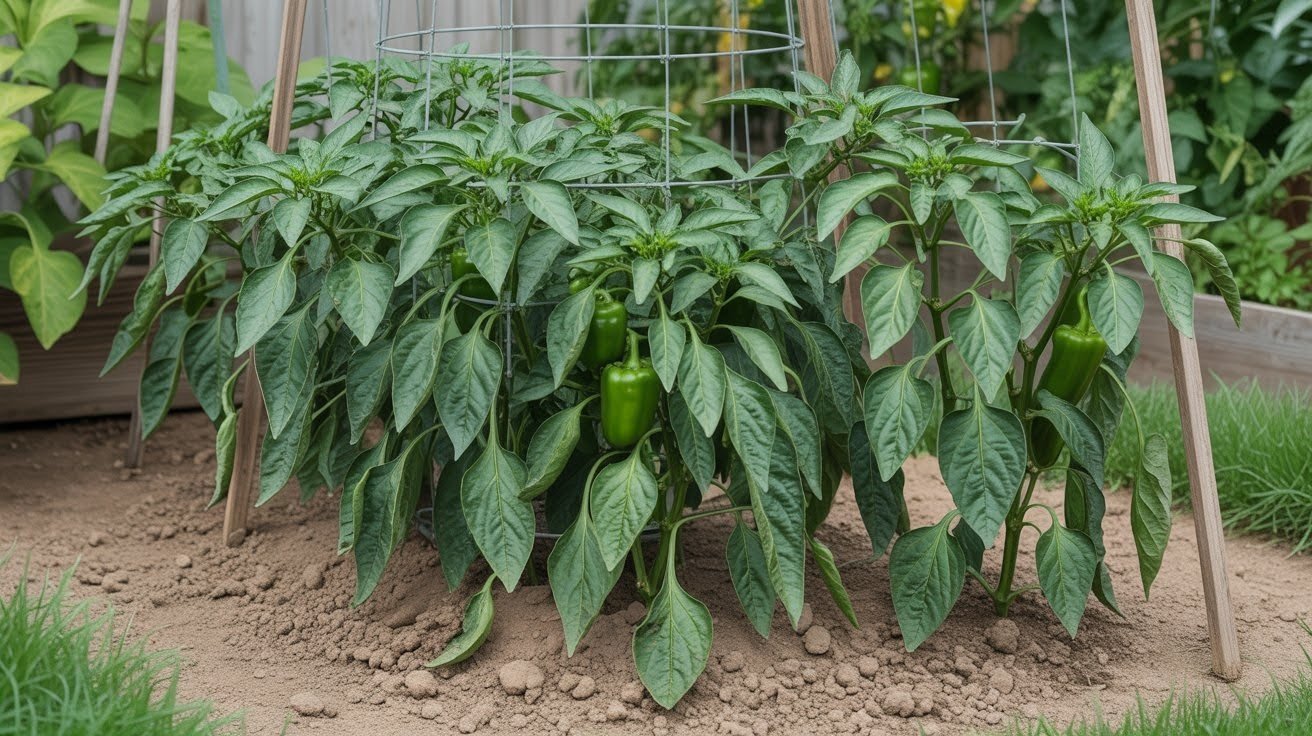
Pepper plants need 6 to 8 hours of direct sunlight each day to produce well. They grow best when temperatures stay between 60°F and 80°F. When temperatures climb above 90°F, plants may drop flowers and slow down production.
Water your plants at the base, not from above. Use a slow, steady stream that soaks deep into the soil. Keep the soil moist but never soggy or waterlogged.
Set up tomato cages or stakes early to support plants as they grow. Heavy fruits can make branches bend or break without support.
Step 5 – Feed and Maintain Your Plants
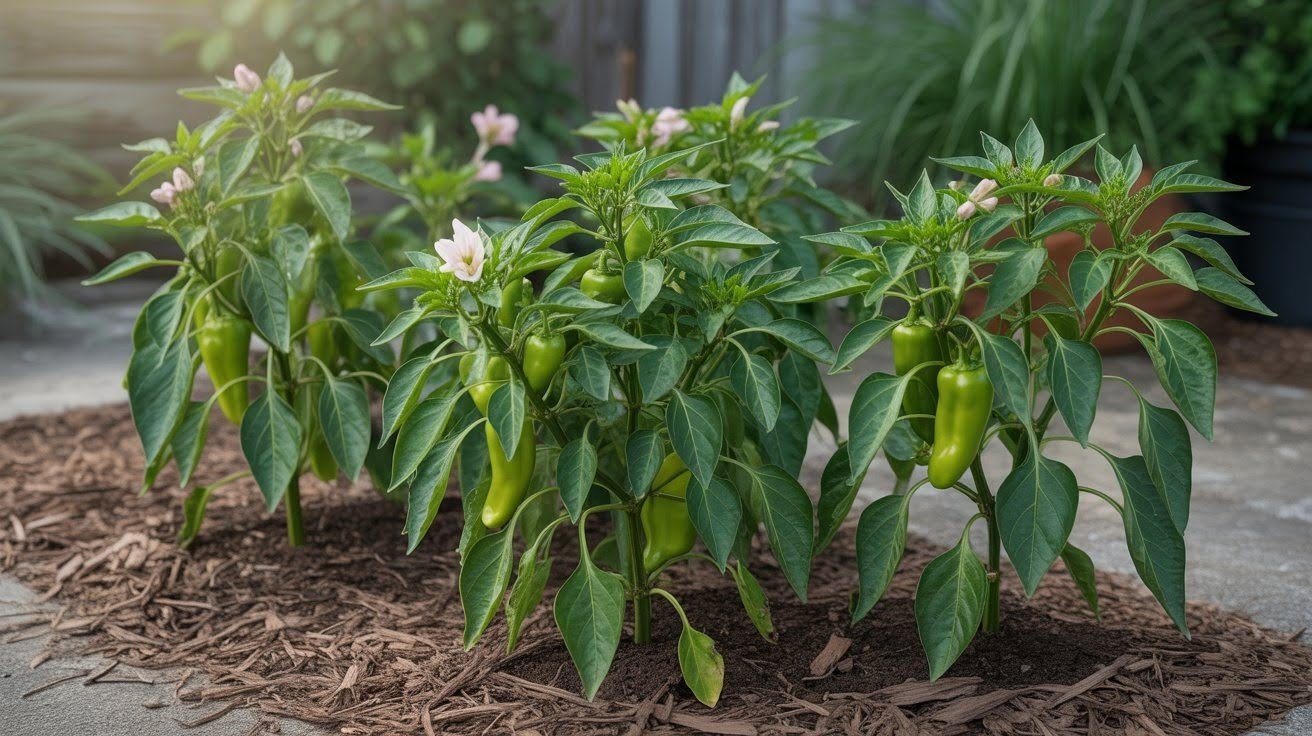
Apply a continuous-release fertilizer when your plants start flowering. This gives them steady nutrition through the growing season. Side dress with more fertilizer every few weeks to keep plants producing.
Pinch back the growing tips on young plants to encourage bushier growth and more branches. Water early in the morning before the heat of the day sets in.
Check your plants often for aphids and other pests. Keep the mulch fresh to help the soil hold moisture between waterings.
Growing California Wonder Peppers in Containers
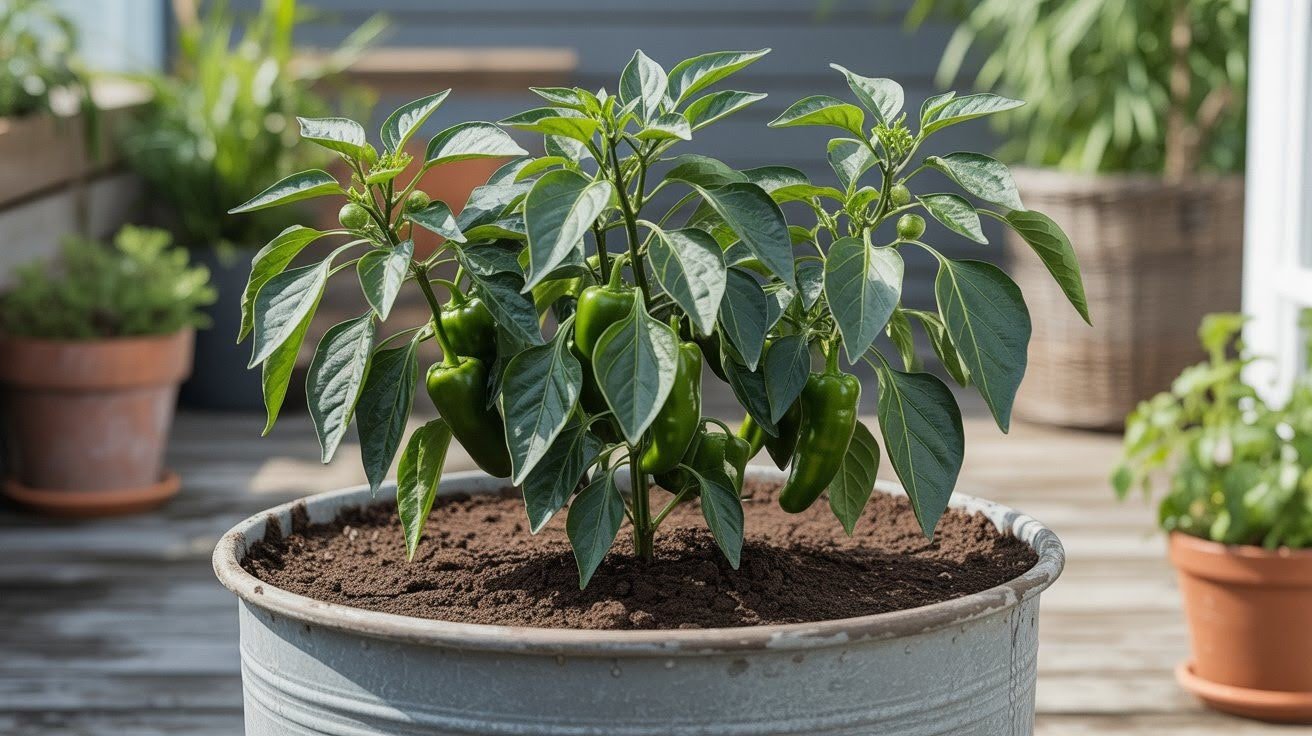
California Wonder pepper growing works great in containers for people with limited space. Choose a pot that measures at least 12 inches wide and 12 inches deep. Bigger containers work even better and help roots spread out. Make sure your pot has drainage holes in the bottom.
Fill containers with high-quality potting soil made for vegetables. Container plants dry out faster than garden plants, so check the soil daily. Water until you see it run out of the drainage holes at the bottom.
Container peppers also need more frequent feeding because nutrients wash out with each watering. Place your pot in the sunniest spot you have. Grow just one plant per container for the best results and biggest harvest.
When and How to Harvest Your Peppers?
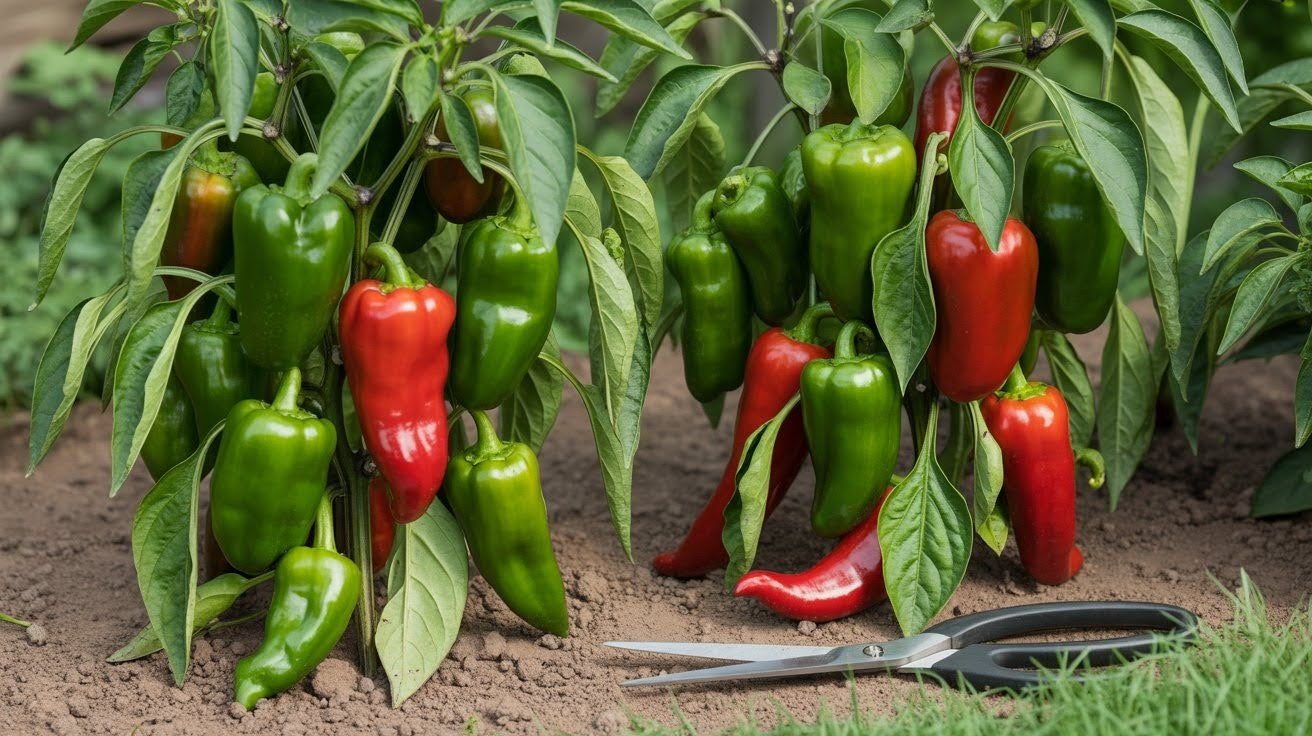
Pick your peppers when they feel firm and reach full size, usually around 4 inches across. You can harvest them while they’re still green or wait for them to turn red. Red peppers taste sweeter but take longer to ripen.
Use sharp scissors or a knife to cut peppers from the plant. Don’t pull them off by hand. Pulling can damage the plant and hurt your overall harvest for the season.
Store fresh peppers in your refrigerator for 1 to 2 weeks. You can also freeze them in sealed bags for longer storage. Check your plants every few days during harvest season so you don’t miss any ripe ones.
Tips for Growing the Best California Wonder Peppers
Success with California Wonder pepper growing comes down to paying attention to details. Here are some tips that make a real difference.
Choose seedlings that don’t have flowers yet. Plants without flowers settle in better after transplanting. Flowers often fall off anyway from the stress of moving.
- Use drip irrigation if you can set it up
- Keep mulch around plants to hold steady soil temperature
- Provide shade during the hottest summer days
- Don’t use too much nitrogen fertilizer, or you’ll get lots of leaves but few peppers
- Be patient because peppers take time to ripen fully
- Keep soil moist throughout the season for better flavor
Without enough water, peppers can taste bitter. Aphids love pepper plants, so check the undersides of leaves often. A few pests won’t hurt healthy plants. Give your plants everything they needsun, water, nutrients, and supportand they’ll reward you with plenty of peppers.
Conclusion
Growing California Wonder peppers at home is easier than most people think. These reliable plants produce sweet, crunchy peppers that taste way better than anything you’ll find at the store.
Remember the five main steps: start seeds at the right time, prepare good soil, transplant carefully, provide proper conditions, and feed regularly. Give your plants plenty of sun, keep the soil moist, and be patient while peppers ripen.
Green peppers taste great, but if you can wait for red ones, they’re even sweeter. Whether you have a big garden or just a sunny patio, you can grow these peppers successfully.
Start planning your pepper garden now. Pick up some seeds, get your soil ready, and look forward to your first harvest. Once you taste a fresh California Wonder pepper from your own garden, you’ll want to grow them every year.
Frequently Asked Questions
How Long Does It Take for California Wonder Peppers to Turn Red?
It takes 60 to 80 days for peppers to turn from green to red after the fruit sets. Be patient and leave them on the plant longer for the sweetest flavor.
Why Did My Pepper Plant Drop Its Flowers?
Temperature stress causes most flower drop. When nights get too cold (below 55°F) or days get too hot (above 90°F), plants drop flowers to protect themselves. Wait for better weather.
Can I Grow California Wonder Peppers Indoors Year-Round?
Yes, but you need strong grow lights for 12 to 16 hours daily. Keep indoor temperatures between 65°F and 75°F. Hand-pollinate flowers with a small brush since there are no bees inside.
How Do I Know When My Peppers Are Ready to Pick?
Peppers are ready when they reach full size, feel firm, and have thick walls. The skin should be smooth and glossy. Give them a gentle squeezeripe ones feel solid, not soft.
What Should I Do If My Peppers Taste Bitter?
Bitter peppers usually mean the plant didn’t get enough water. Make sure soil stays evenly moist through the growing season. Stressed plants from heat or drought produce bitter-tasting fruits. Water deeply and regularly.