
It sounds impossible to grow vegetables in the desert. With a blazing sun, months without rain, and soil more like concrete, most would never attempt it. Many assume that a perfect climate is needed to grow food.
But the fact is, deserts can produce vegetables in all seasons. I have seen gardens grow in areas where temperatures reach 115°FF in the summer. If you’re going to work in the desert, work with it.
In this guide we will share desert gardening tips are different from regular gardening. You will have to flip the growing calendar, create your own soil, and shield plants. It takes some work on the front end, but fresh tomatoes in January, and greens all winter.
Important Desert Gardening Tips for Success
Success in desert gardening comes down to understanding what makes these harsh environments tick and adapting your methods to match.
The Foundation: Soil and Water

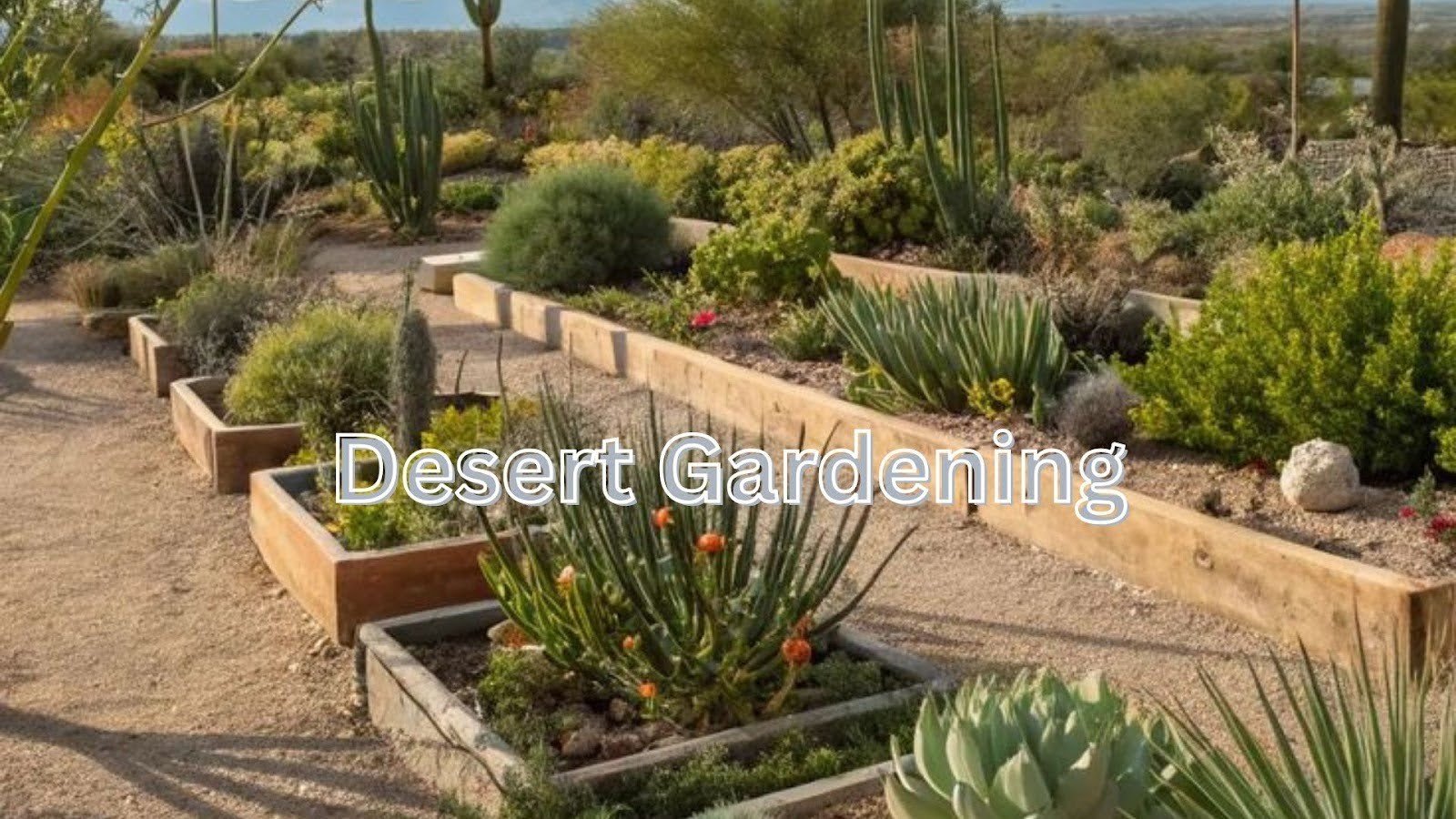
Desert soil needs serious help before it can support vegetables. The native dirt is often alkaline, packed tight, and completely lacking the organic matter that plants need. Start by mixing in 3-4 inches of compost, worm castings, or aged manure into your planting areas.
Water deeply but less often to train plant roots to grow down where moisture stays longer. Shallow, frequent watering creates weak roots that can’t handle dry periods. I water established plants once or twice a week, soaking the soil 8-12 inches deep each time.
Drip irrigation saves water and delivers it right where plants need it. Add 3-4 inches of mulch on top of the soil to keep moisture from evaporating in the hot sun. Wood chips, straw, or shredded leaves all work well.
Timing is Everything: Understanding Desert Seasons

Spring arrives early in the desert, but it’s short. You get a brief window in March and April to grow warm-season crops before the heat becomes too intense. Plant early and watch the weather closely during this transition time.
Summer heat is brutal, often too hot even for tomatoes. Many desert gardeners take a break or focus on heat-loving crops like okra and Armenian cucumber. This is when shade cloth and extra water become essential for anything still growing.
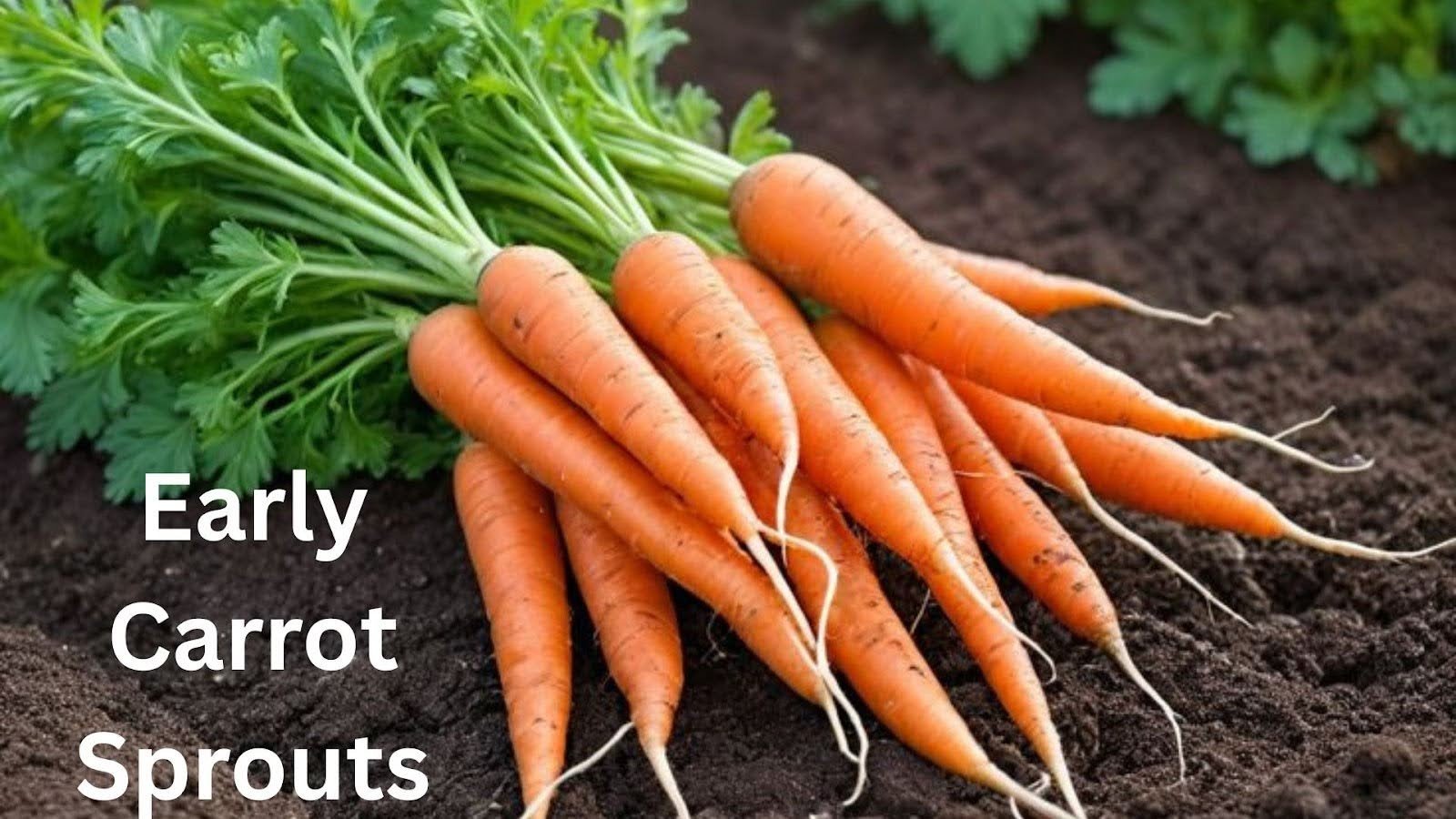
Fall and winter are when desert gardening really shines. Cool temperatures from October through March create perfect growing conditions. This is prime time for lettuce, carrots, broccoli, and dozens of other vegetables.
Protection from Extremes
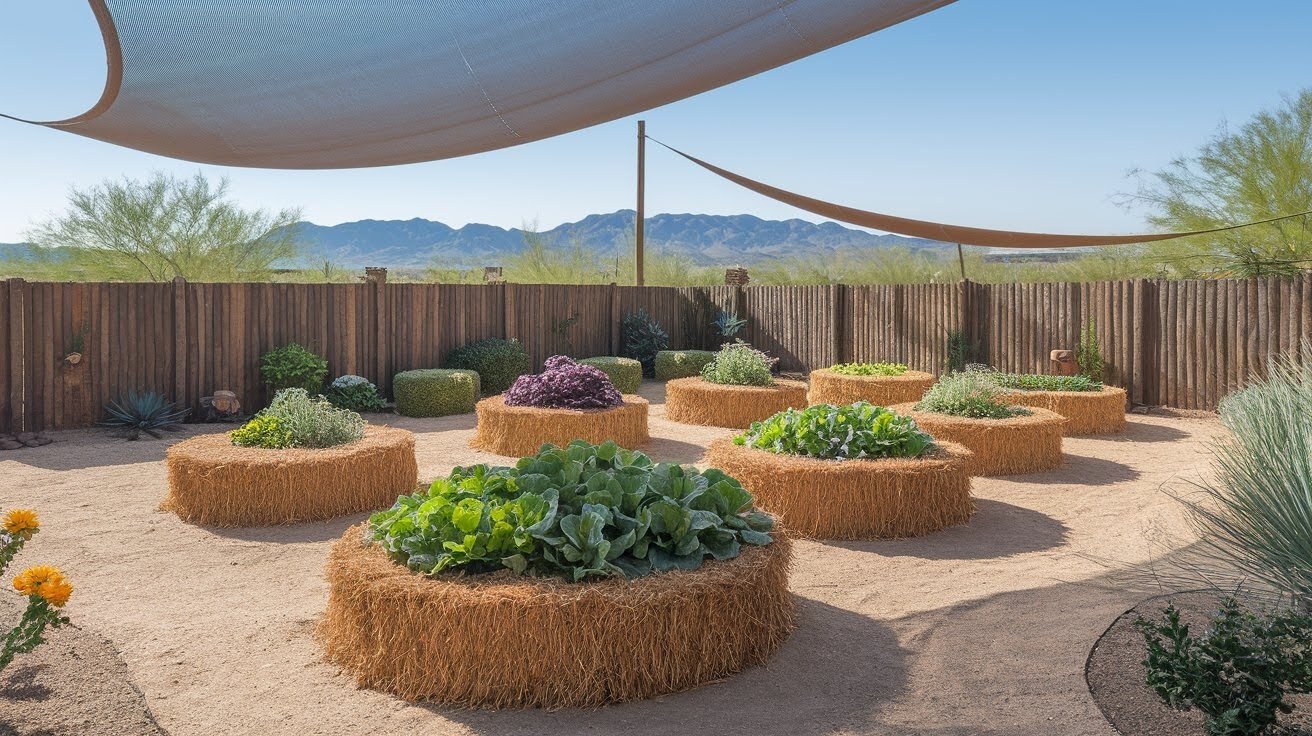
Shade cloth rated at 50% blocks enough sun to prevent leaf burn while still allowing plenty of light through. String it above your garden beds from May through September. Your plants will thank you when temperatures soar above 100°F.
Wind tears up plants and dries out the soil fast in the desert. Build windbreaks using solid fences, walls, or even stacked straw bales. Place these barriers on the windward side of your garden based on your area’s prevailing wind direction.
Create small protected zones called microclimates around tender plants. The north side of a wall stays cooler and gets afternoon shade. Sunken beds sit lower and stay moister than raised ones.
Choosing the Right Varieties
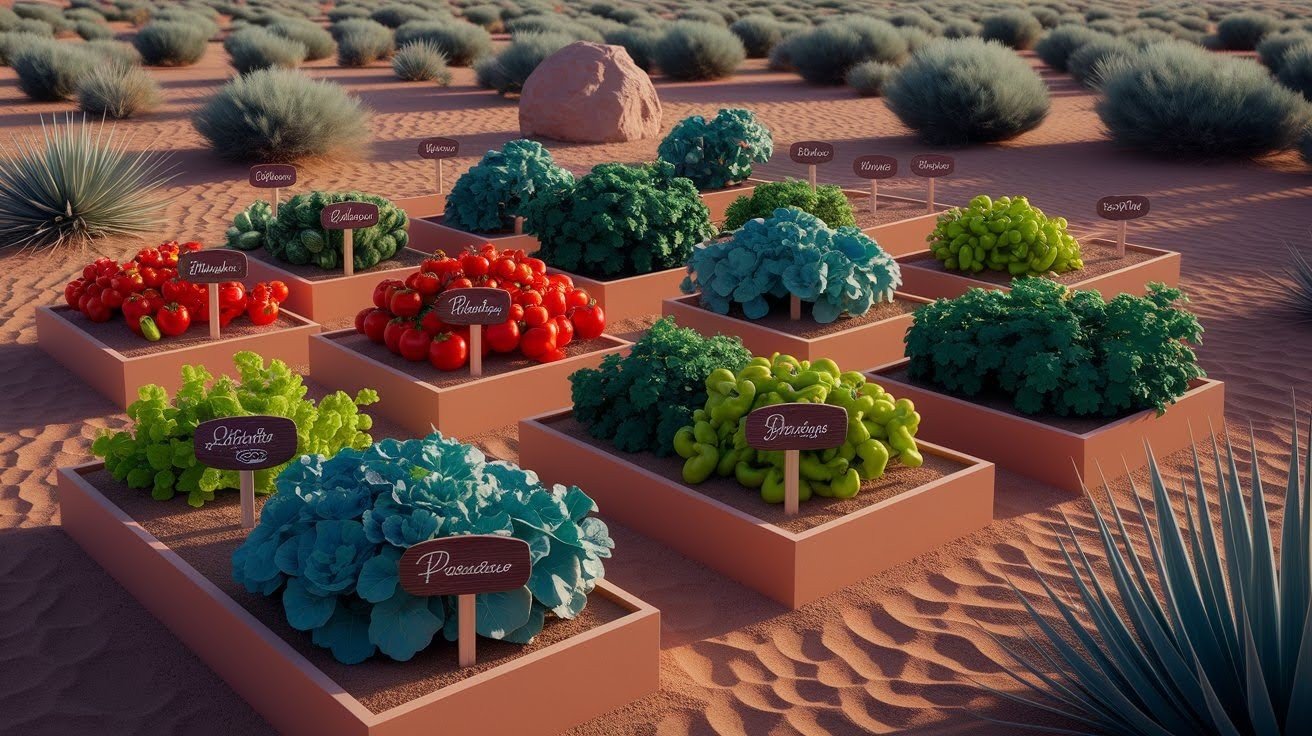
Not all vegetable varieties handle desert conditions well. Look for seeds labeled as heat-tolerant, bolt-resistant, or bred for arid climates. These plants have been selected to perform in tough conditions.
Short-season varieties matter in the desert because your spring and fall windows are limited. Pick tomatoes that mature in 60-70 days instead of 90. Choose lettuce that resists bolting when temperatures rise unexpectedly in spring.
Local seed companies in desert regions often carry the best varieties for your area. They’ve tested hundreds of plants and offer what actually works. Building a collection of proven varieties over time makes each season easier than the last.
Water Conservation Techniques

Every drop of water counts in the desert. Drip irrigation is more efficient than overhead sprinklers because water goes directly to plant roots with minimal evaporation. Set up timers to water early morning when it’s coolest.
Ollas are unglazed clay pots buried in the soil that slowly release water to nearby plant roots. Fill them every few days, and plants draw moisture as needed. This ancient technique works incredibly well for water conservation in hot climates.
Rainwater harvesting during the monsoon season can supply your garden for weeks. Set up barrels under downspouts to catch water from your roof. Even a small roof area can collect hundreds of gallons during summer storms.
Starting Seeds vs. Transplants
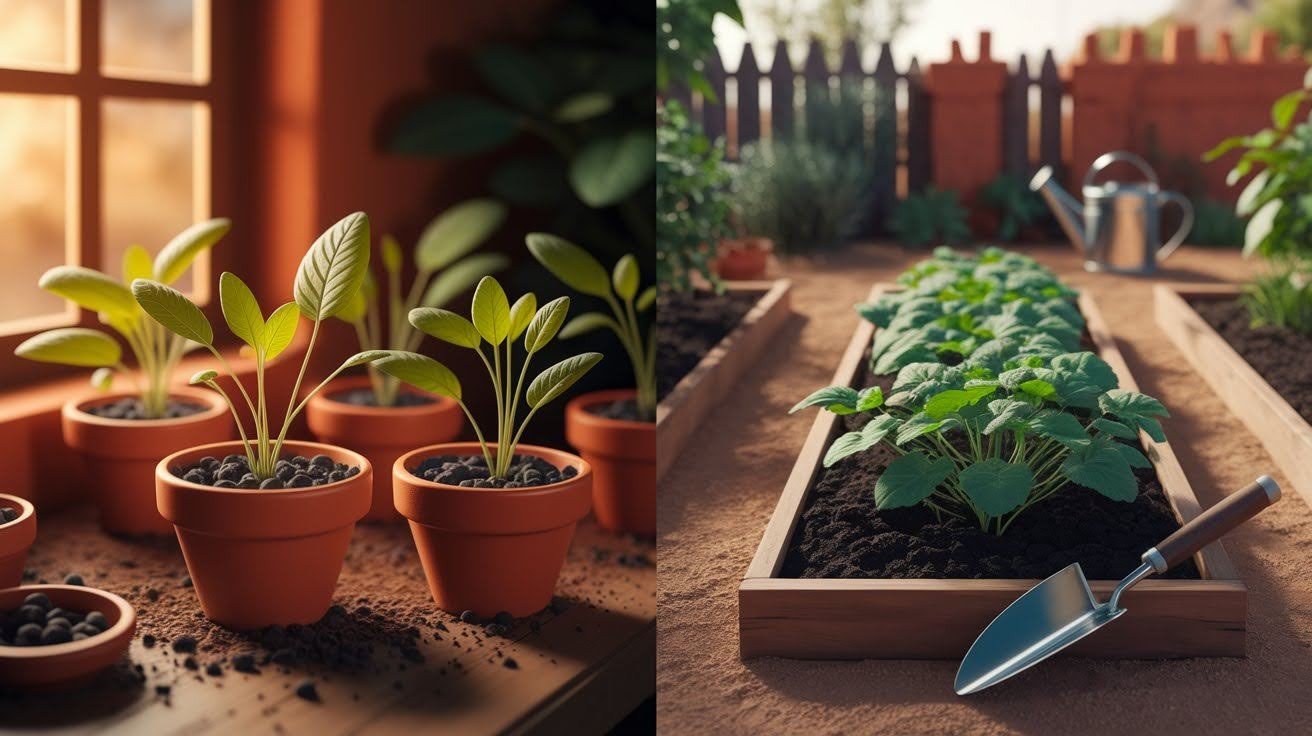
| Aspect | Starting Seeds | Using Transplants | Personalized Insights |
| Definition | Growing plants from seeds indoors or directly in the garden. | Buying young plants that are already partially grown and planting them in your garden. | If you enjoy the thrill of watching a tiny seed sprout under your care, seeds are incredibly satisfying. |
| Cost | Seeds are usually inexpensive; a packet can last a whole season. | Transplants are more costly per plant. | Seeds let you experiment with more varieties without breaking the bank. Transplants are ideal when your budget allows for convenience. |
| Time to Harvest | Longer; requires patience for germination and growth. | Shorter plants are already partially grown. | If you’re juggling a busy schedule or a short growing season, transplants can give you a head start. |
| Variety Options | A huge variety of rare or heirloom seeds is widely available. | Limited to what nurseries carry. | Seeds give you the freedom to grow unique or specialty plants. Transplants are great if you want tried-and-true garden favorites without the wait. |
| Control Over Growth | Full control over soil, light, and conditions from day one. | Less control; you inherit the previous growing conditions. | Starting seeds allows you to optimize everything perfectly for an experienced gardener. |
Pest and Disease Management
Desert heat actually reduces some pest problems common in humid climates. Fungal diseases rarely appear in dry conditions. However, aphids, whiteflies, and grasshoppers can still cause major damage to plants.
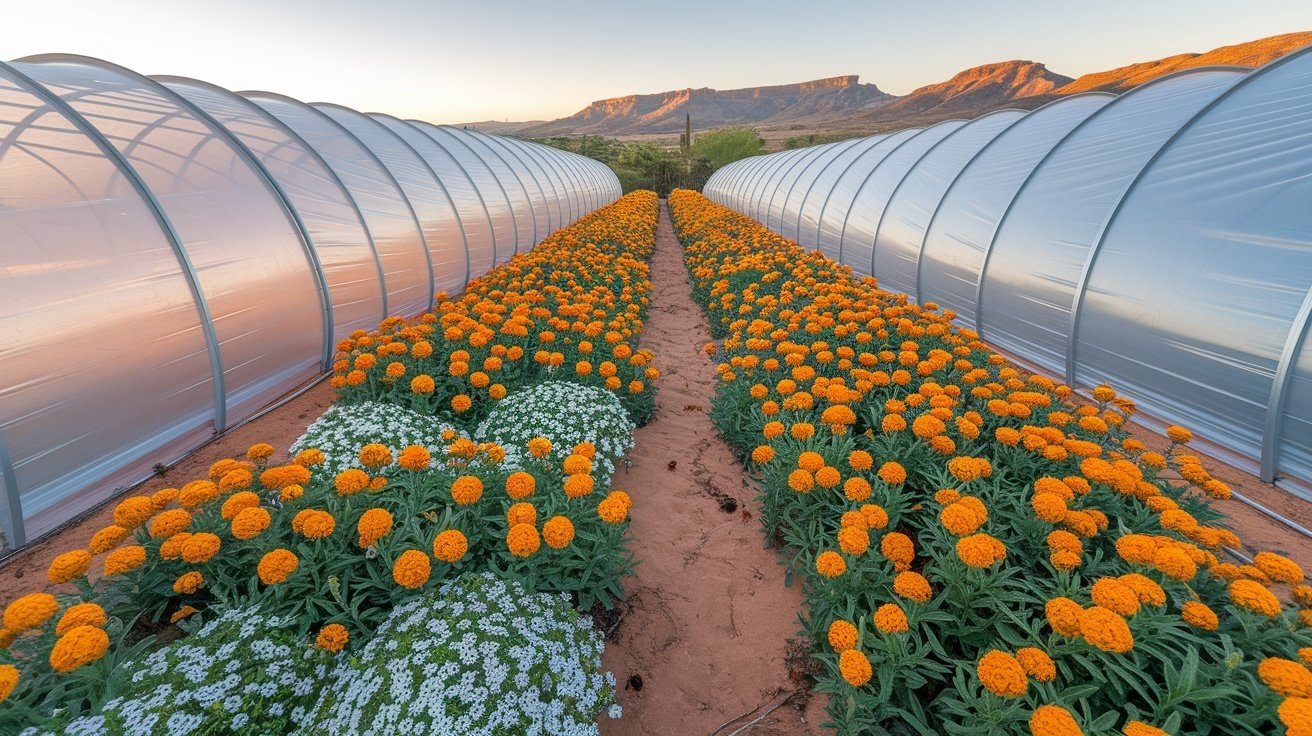
Row covers provide physical barriers against flying insects while letting light and water through. Cover young plants right after planting, securing edges to the ground. Remove covers once plants start flowering if they need pollination.
Beneficial insects like ladybugs and lacewings eat aphids and other pests naturally. Plant flowers like alyssum, marigolds, and sunflowers to attract these helpful bugs. Avoid using harsh pesticides that kill both good and bad insects.
Fertilizing Desert Gardens
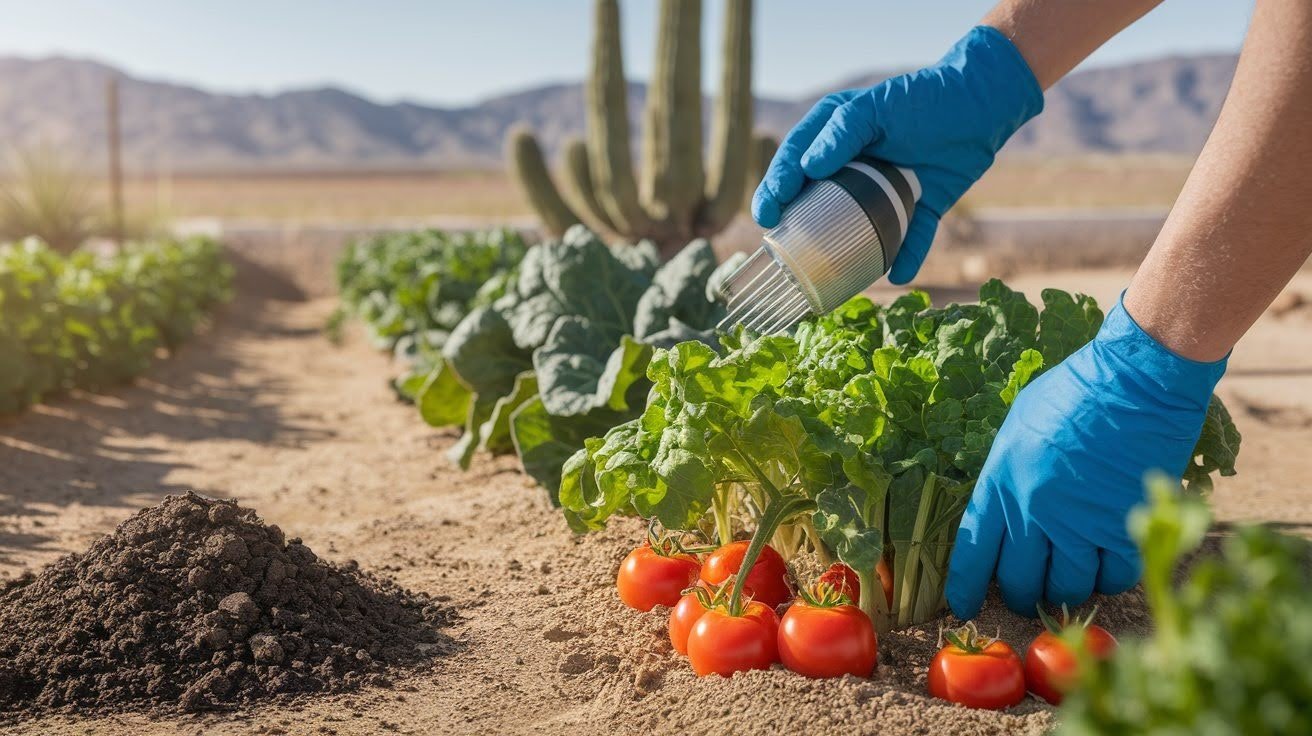
Desert soil needs regular feeding since it starts with almost no nutrients. Compost is the best all-around fertilizer; it feeds plants slowly over time while improving soil structure. Work in 1-2 inches each year.
Liquid fish emulsion or compost tea gives plants a quick boost during active growth periods. Apply these every 2-3 weeks during spring and fall when plants are growing fast. Dilute according to package directions to avoid burning roots.
Watch for yellowing leaves, which often signal nitrogen deficiency in desert gardens. Side-dress plants with aged manure or apply blood meal to add nitrogen quickly. Tomatoes and leafy greens especially need steady nitrogen throughout the growing season.
Building a Desert Gardening Routine That Works for You

Finding a rhythm that fits your lifestyle makes desert gardening less overwhelming and more enjoyable. Start by observing your garden at different times of the day, note when the sun hits, where shade appears, and how quickly the soil dries.
Personalize your garden care based on your plants’ needs and your schedule. I like to check my drip system early in the morning and top up ollas midweek, adjusting water amounts depending on heat spikes or unexpected rains.
Finally, treat your desert garden as a living experiment. Track which heat-tolerant varieties thrive, how shade cloth placement affects growth, and which microclimates produce the best yields. Over time, you’ll develop a routine that feels natural, productive, and uniquely yours.
Mastering Seasonal Desert Gardening
Each season in the desert brings unique opportunities and challenges that require different approaches to keep your garden productive.
Spring Gardening in Hot Climates
March is go-time for warm-season crops in most desert zones. Get tomatoes, peppers, eggplant, beans, and cucumbers in the ground early. They need 6-8 weeks to establish before extreme heat arrives in late May.
Watch nighttime temperatures closely in early spring. A late cold snap can damage tender transplants. Keep row covers or blankets handy to protect plants if temperatures drop below 40°F unexpectedly.
Speed matters in spring desert gardening. Plants that establish strong root systems early will produce better once the heat arrives. Water consistently and feed plants every two weeks. By late April, add shade cloth over tender crops to ease the transition into summer.
Summer Survival Strategies
Most vegetables struggle when temperatures stay above 95°F for weeks. Okra, Armenian cucumber, and yard-long beans are exceptions; they actually thrive in extreme heat. Plant these in late May or early June after other crops finish.
Many gardeners use summer as a rest period for their main garden beds. Plant cover crops like cowpeas or buckwheat to add organic matter and protect soil from the intense sun. These plants get tilled in before fall planting.
If you continue growing through summer, shade becomes critical. Use 50-70% shade cloth and water deeply every 2-3 days. The urban heat island effect makes city gardens even hotter than rural areas.
Monsoon Season Opportunities
Monsoon rains arrive in July and August across much of the desert Southwest. Cooler temperatures and increased humidity create a second spring-like growing window. This is your chance to plant another round of summer crops.
Plant tomatoes, peppers, squash, corn, and beans in late July or early August. These crops will mature in October and November when conditions are nearly perfect. Use plants that mature quickly since you have limited time before fall arrives.
Adjust your watering based on rainfall during the monsoon season. Cut back on irrigation after storms drop an inch or more of rain. Too much water combined with humidity can cause root problems and fungal issues, even in the desert.
Fall and Winter: Peak Desert Growing Season
October marks the start of the best growing season for desert gardening. Plant lettuce, spinach, kale, carrots, beets, broccoli, cauliflower, cabbage, garlic, onions, and peas. These cool-season crops love the mild winter weather.
Position beds to capture maximum sunlight during winter when the sun sits lower in the sky. Avoid planting on the north side of walls or buildings where shade lingers. Even in the desert, winter sun provides less heat and light than summer.
Frost protection is minimal in most low-elevation desert areas. Temperatures rarely drop below 28°F, and when they do, a simple sheet or row cover protects plants overnight. You’ll harvest continuously from November through March with proper planning.
Strategies of Wind Protection
Wind in the desert can destroy plants in hours, making protection one of the most important factors in successful gardening.
- Build Solid Barriers on the Windward Side: Construct 6-8 foot tall fences or walls using wood, cinder blocks, or metal panels. Place these perpendicular to prevailing winds, typically from the southwest in most desert areas.
- Create Layered Defense with Straw Bales: Stack straw bales 2-3 high around the edges of your garden for temporary windbreaks. These work great during spring when winds are strongest and can be moved or removed as needed.
- Use Living Windbreaks for Long-Term Protection: Plant rows of desert-adapted shrubs or small trees like Texas sage, rosemary, or desert willow on the windward side of your garden. Space them 3-4 feet apart in a dense row.
- Position Shade Structures to Block Wind: Angle shade cloth frames to serve double duty as both sun and wind protection. Secure all edges tightly to prevent the cloth from tearing in strong gusts.
- Adjust Protection Seasonally: Strengthen windbreaks before spring when winds peak in most desert regions. You can reduce or modify barriers during calm winter months to allow more airflow and prevent fungal issues.
Conclusion
Gardening in the desert demands that one persevere and practically approach failure because the desert’s conditions differ from those most gardening books discuss. Soil amendments, water.
Begin with some beds of just some established crops, then grow only cool-season crops in the first fall and winter, which are easy to grow. With more experience, feel free to grow members of the warm-season crops and experiment in summer.
Yet there are advantages to desert gardening, including fewer insects, diseases, and weeds than in moist environments, of course, and longer, sunnier days that will generally benefit most vegetables. Add nutrients to your soil, put in drip irrigation, and plant something for today.
Frequently Asked Questions
What vegetables grow best in desert climates?
Cool-season crops like lettuce, carrots, broccoli, and kale thrive in fall and winter. Heat-tolerant options include okra, Armenian cucumber, and yard-long beans for summer. Tomatoes and peppers work well in the spring and monsoon seasons when planted correctly.
How often should I water my desert garden?
Water deeply 1-2 times per week for established plants, soaking soil 8-12 inches deep. New transplants need daily watering for the first week. Summer crops require watering every 2-3 days during extreme heat. Always check soil moisture before watering.
When is the best time to start a desert garden?
October through November is ideal for beginners because cool-season crops are easiest to grow. Spring planting begins in March but requires faster work before the heat arrives. Avoid starting in summer unless you have shade structures and irrigation ready.
Do I need shade cloth for desert gardening?
Shade cloth rated at 50% is essential from May through September for most vegetables. It prevents leaf burn and reduces water stress during extreme heat. Cool-season crops grown in fall and winter don’t need shade protection.
How do I fix alkaline desert soil naturally?
Add 3-4 inches of compost, worm castings, or aged manure annually to lower the pH slowly. Sulfur can help, but it works gradually. Focus on building organic matter since it buffers pH and improves nutrient availability regardless of exact pH levels.