
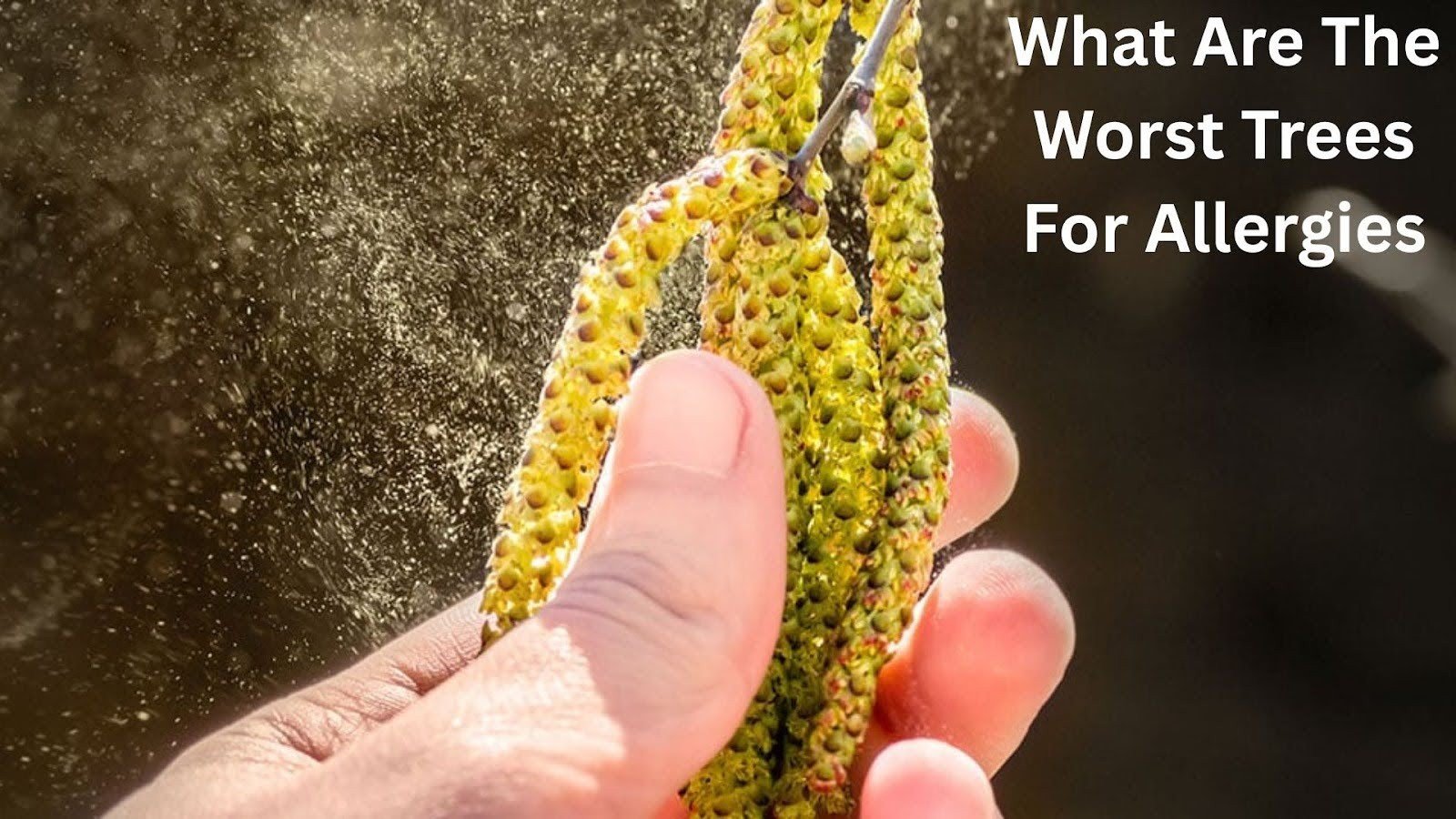
Warmer weather and blooming flowers arrive in spring. Allergies affect millions of people, too. Trees rank as one of the biggest spring allergy offenders. Tree pollen is so plentiful that it can leave allergy sufferers feeling miserable for much of spring.
Though it might seem all trees are equally problematic, some trees release prodigious amounts of pollen, which can travel many miles in the air, while other trees release very little pollen, which only drops within a short distance of the tree.
In this article, you’ll learn which trees should be avoided, what about their pollen is so annoying, how to identify them, and what trees are better alternatives, should you choose to plant trees along the edges of your property.
The Allergy-Triggering Trees
If you’re someone who sneezes your way through spring, knowing which trees are behind your allergies can help you breathe easier and enjoy the season again.
Maple, Willow, and Pecan Trees
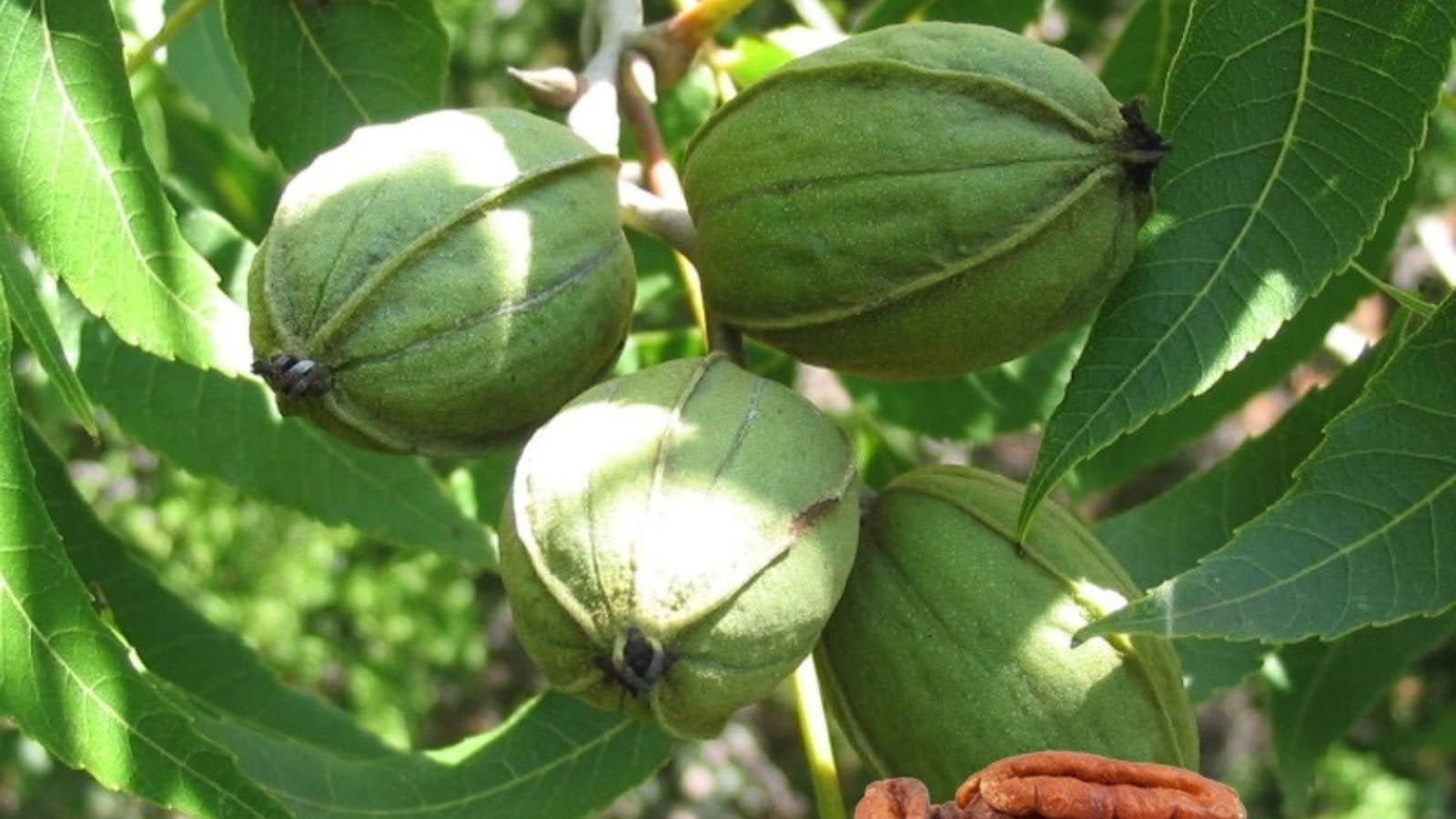
Round out the list of common allergy-causing trees. Maple trees bloom very early in spring and produce moderate amounts of pollen. Willow trees release pollen in mid-spring and are especially common near water sources.
Oak Trees
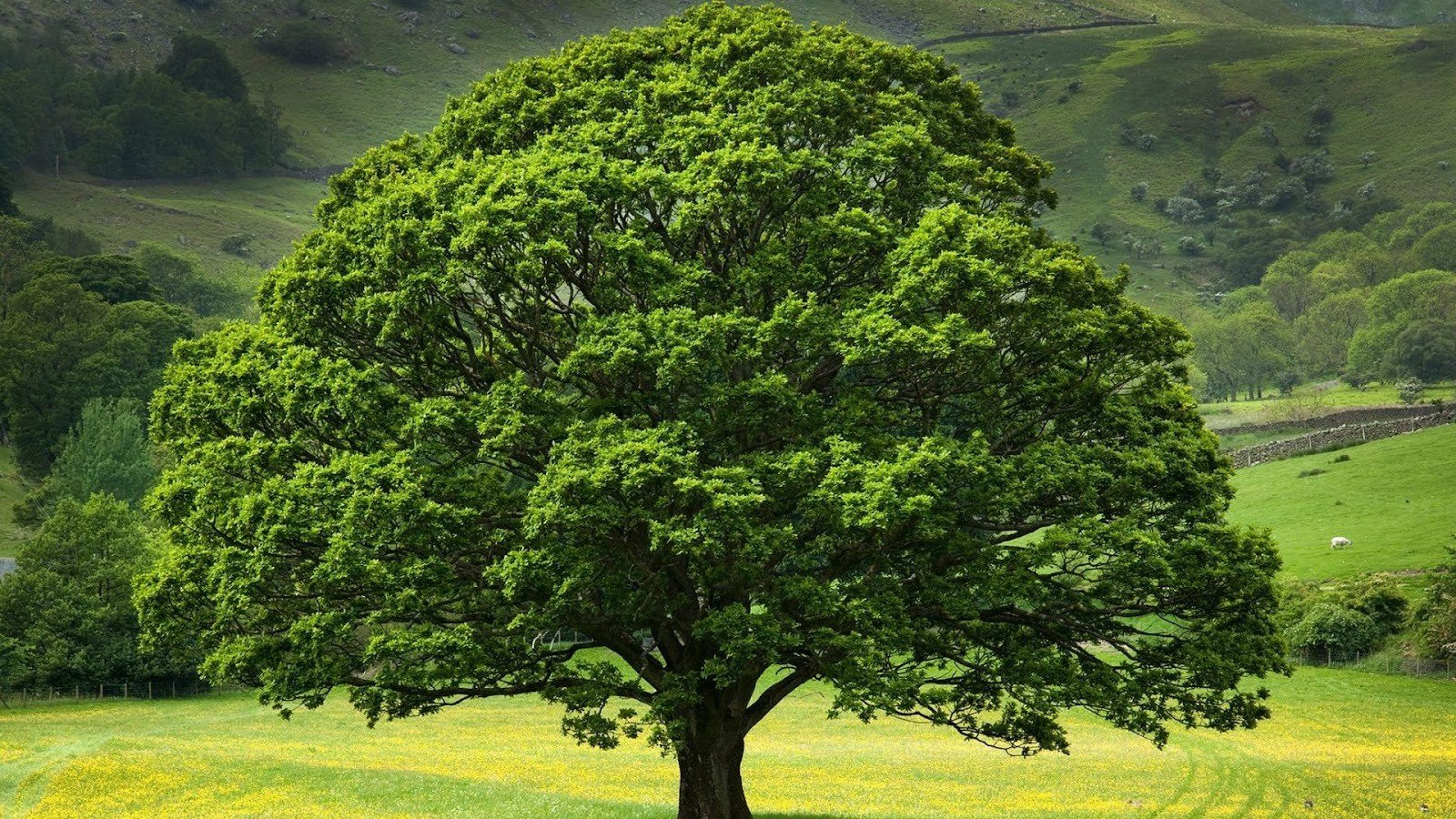
They are the number one cause of tree pollen allergies in most parts of the United States. They release pollen for several weeks, sometimes lasting from March through June, depending on where you live.
Cedar and Juniper Trees
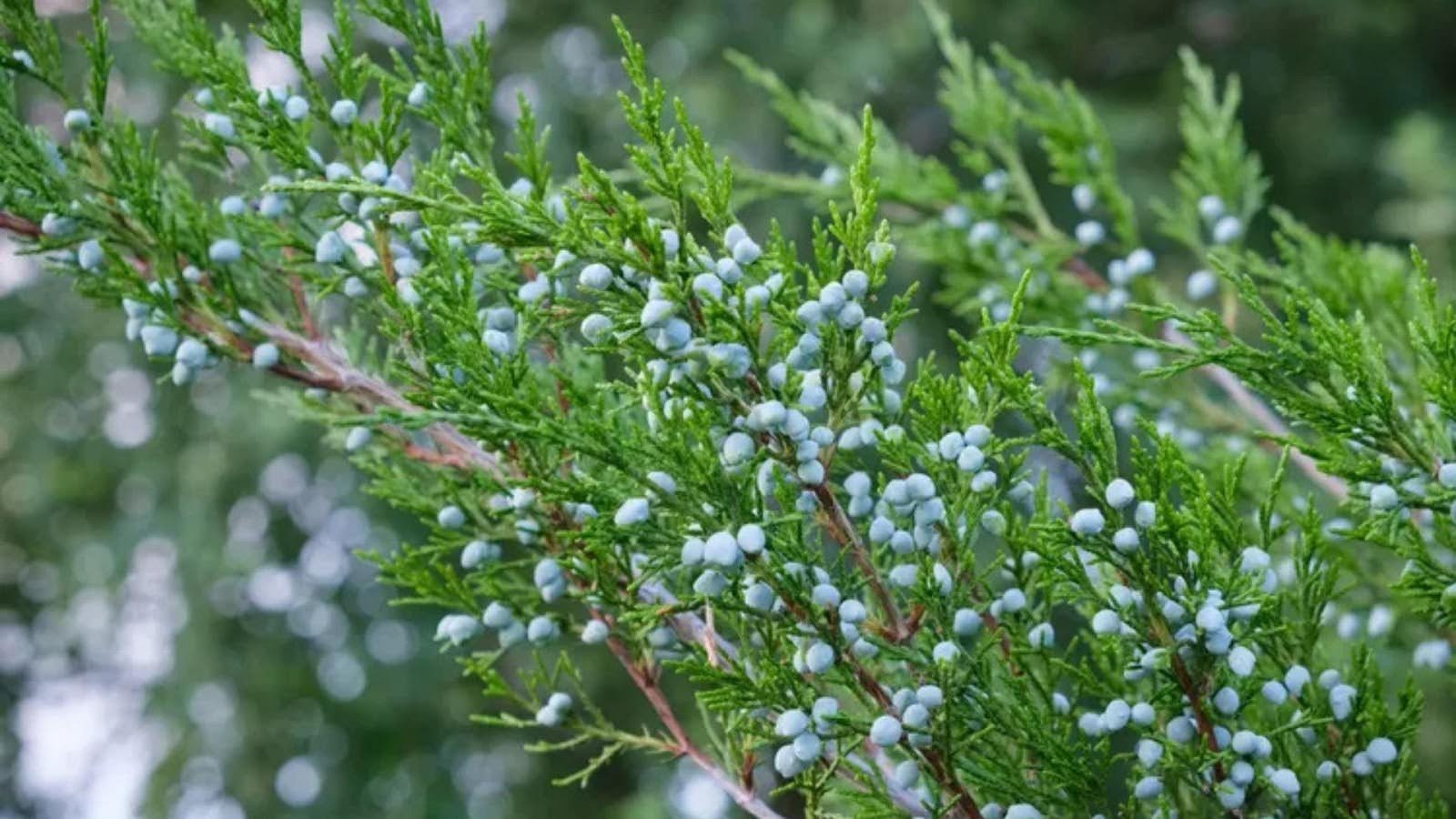
It causes a condition that people in Texas call “cedar fever” because the symptoms feel like a bad flu. These trees release huge clouds of pollen during the winter months, which is unusual since most tree allergies happen in spring.
Pine Trees
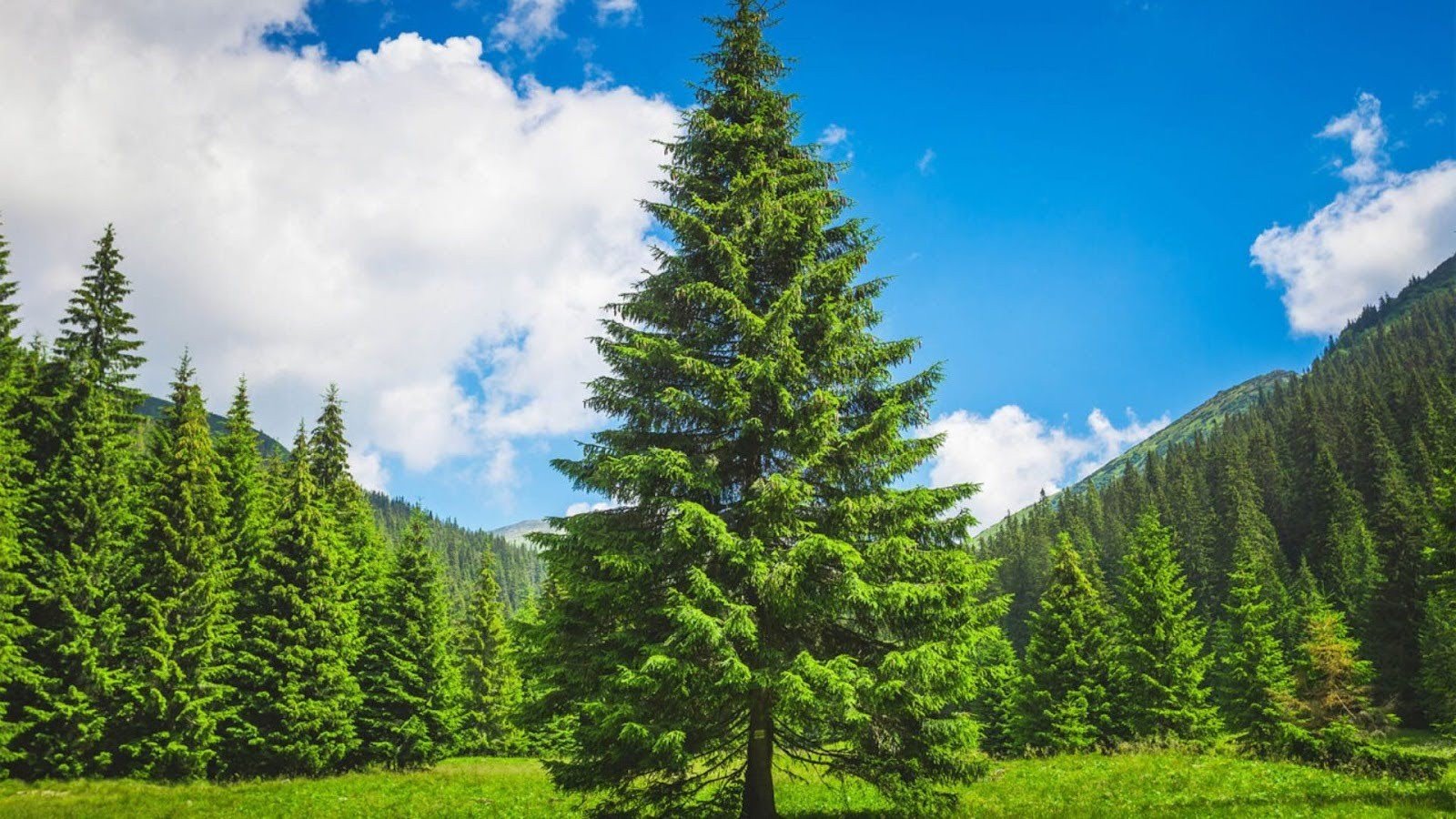
Produce large amounts of pollen, but the grains are actually too heavy to cause many allergy problems for most people. However, the sheer volume of pine pollen can still bother people with sensitive airways.
Ash Trees
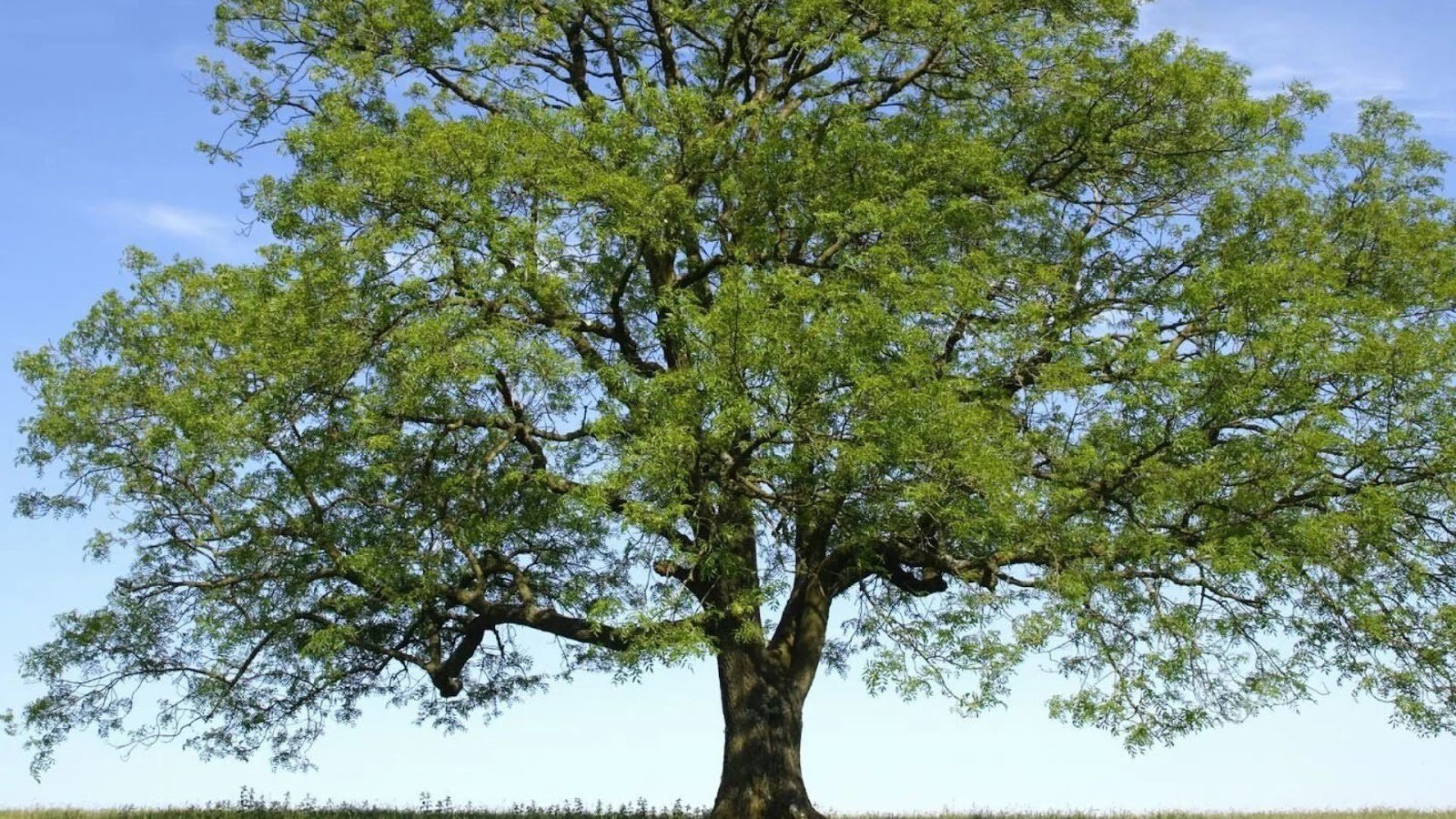
Release pollen early in the spring season, often before other trees start blooming. This means they can catch you off guard before you’ve started taking allergy medicine. Male ash trees produce significantly more pollen than female trees.
Cottonwood, Olive, and Maple Trees
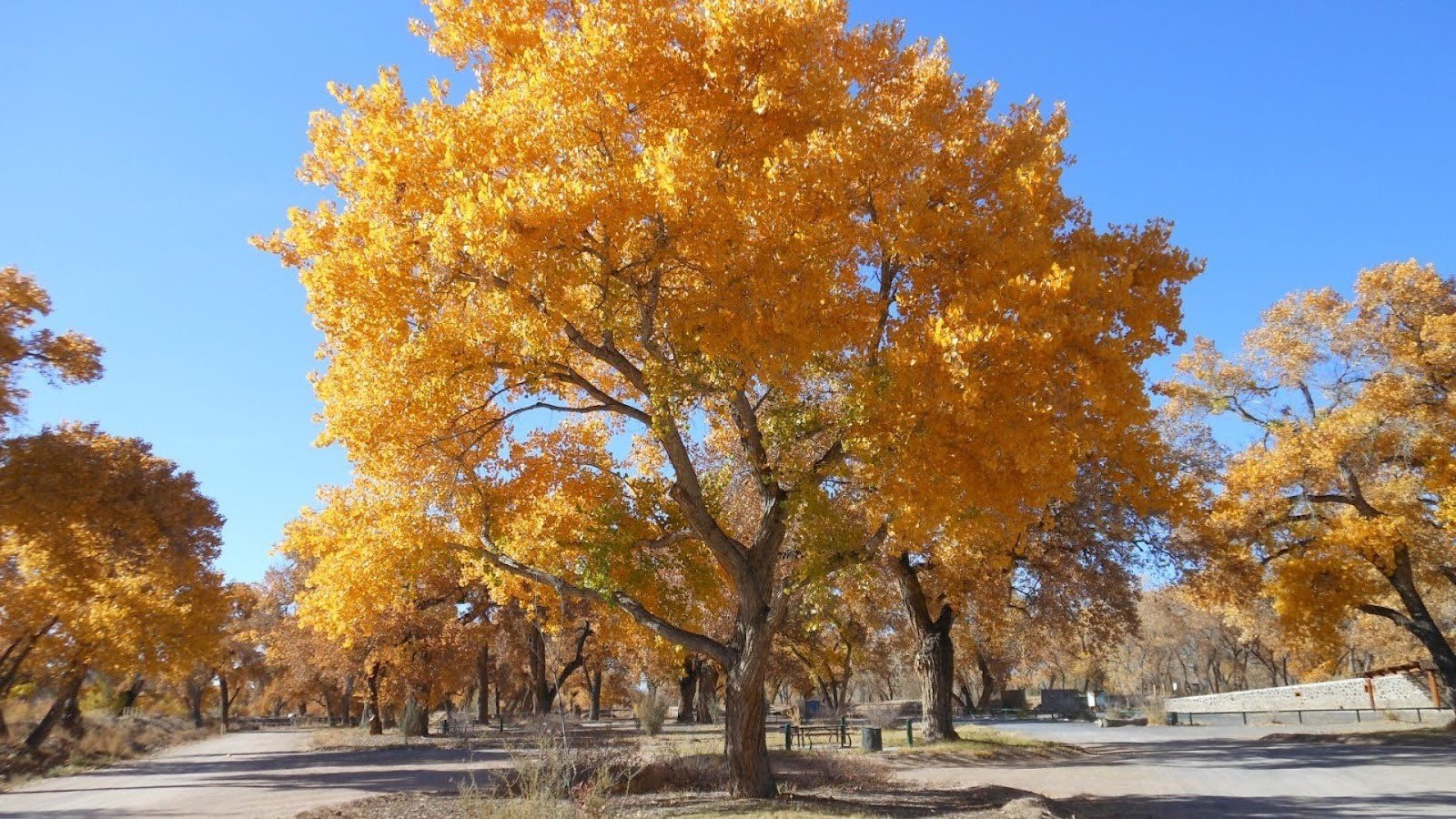
There are also major allergy triggers that deserve attention. Cottonwood trees are famous for the white, fluffy seeds they produce, but their pollen is actually the bigger problem for allergy sufferers. The pollen comes out weeks before those cottony seeds appear.
Olive trees
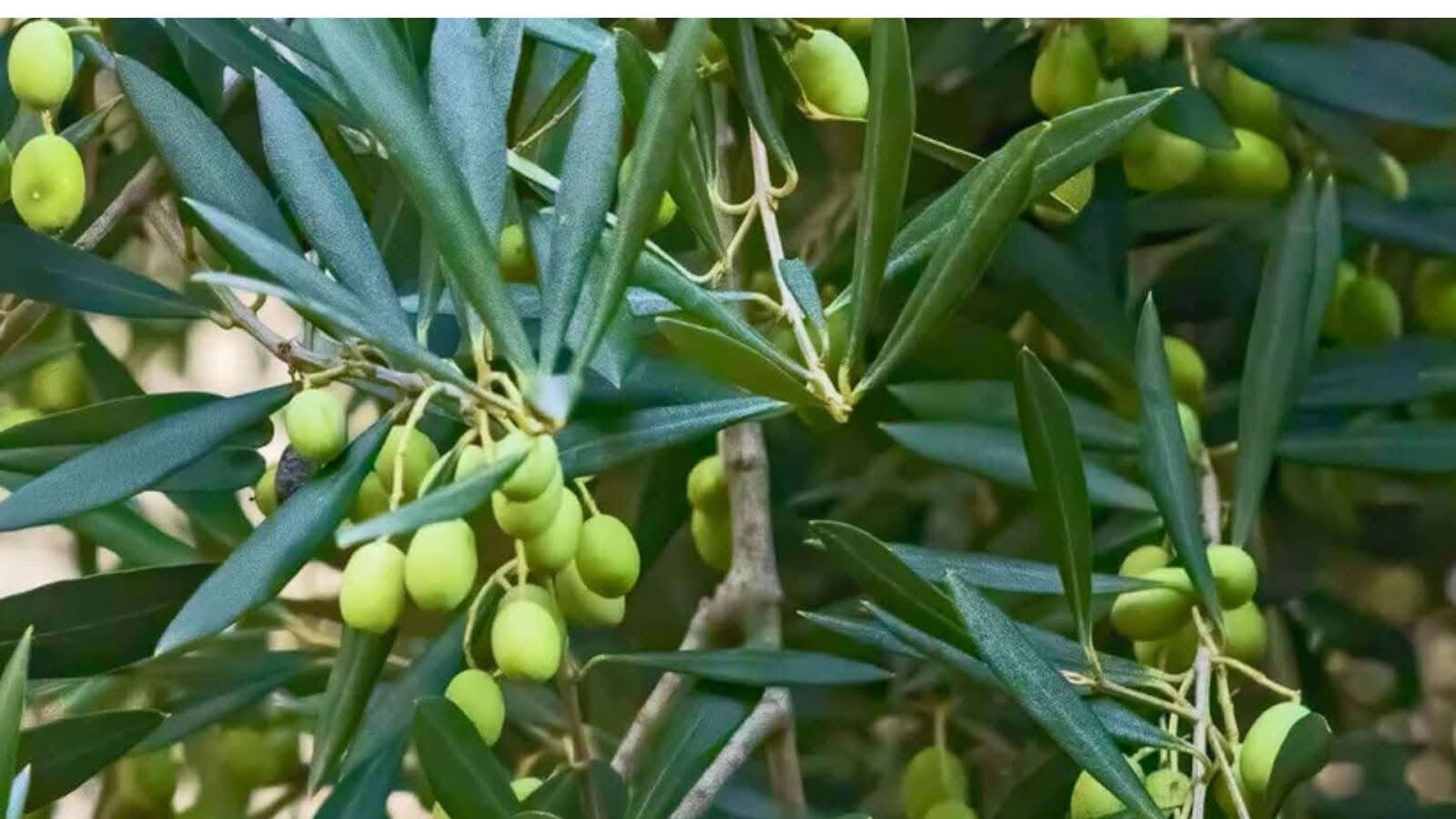
Causes serious allergy problems in warm climates like California and Arizona. Their pollen season lasts for months, and the pollen is highly irritating to most people’s airways. Many cities in these states have actually banned planting new male olive trees because they cause so many health complaints.
Birch Trees
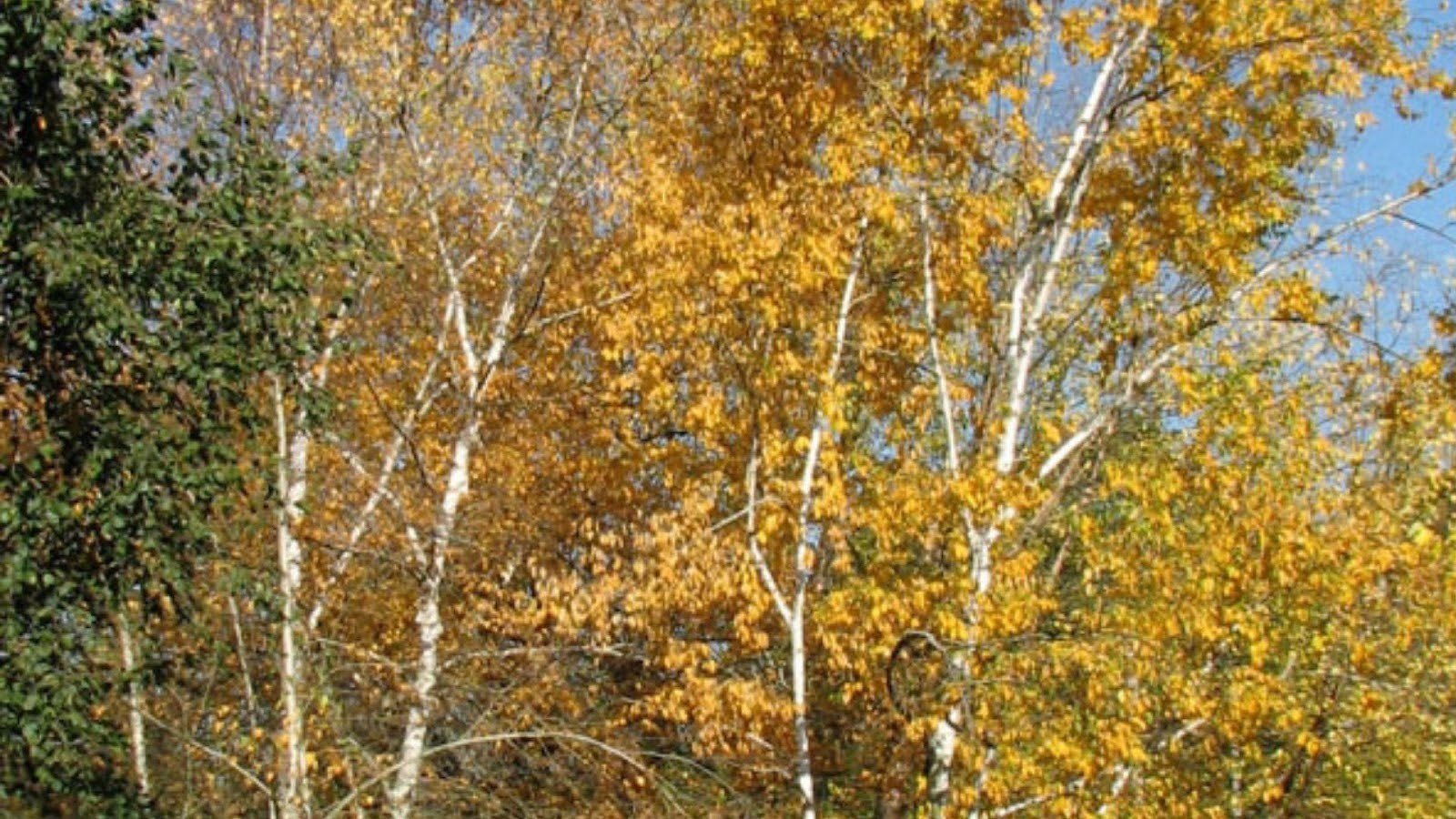
If you’ve ever had trouble with spring allergies, Birch trees could be why. Their pollen is incredibly light and travels long distances, meaning even if you don’t live near a Birch, you might still be affected.
Cedar Trees
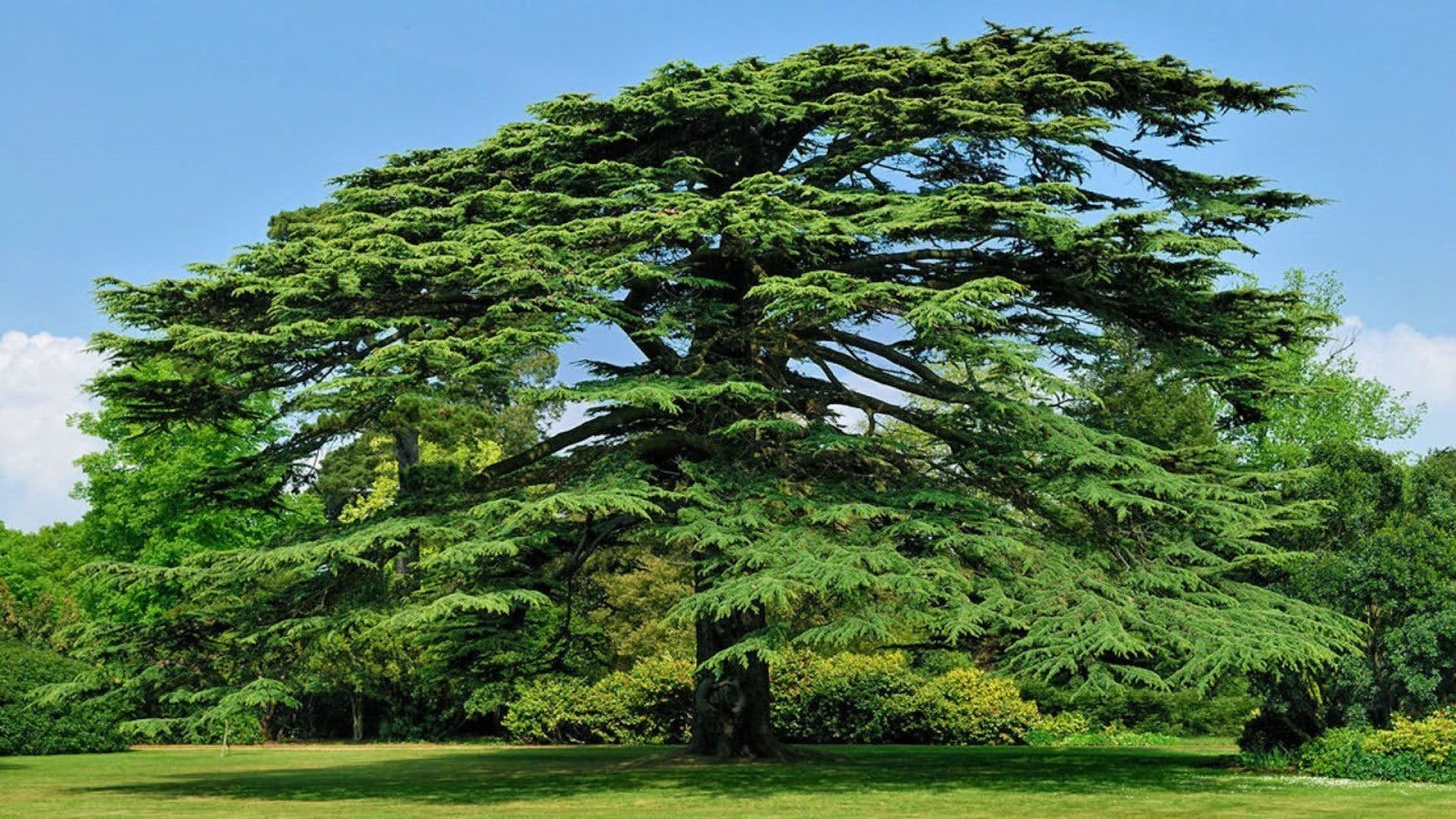
Cedar trees, especially the mountain cedar common in Texas, release pollen in large quantities and at high intensity. People in affected regions often experience intense allergic reactions, sometimes even worse than with other common trees.
Why These Trees Cause Allergic Reactions
The reason why the worst trees for allergies all share similar traits comes down to how they reproduce and spread their pollen. Learning about these patterns helps you understand why some trees bother you more than others.
Wind-Pollinated vs. Insect-Pollinated Trees
| Wind-Pollinated Trees (High Allergy Risk) | Insect-Pollinated Trees (Low Allergy Risk) |
| Produce millions of tiny, lightweight pollen grains | Create smaller amounts of heavy, sticky pollen |
| Pollen travels many miles through the air | Pollen stays on the flowers and insects |
| Usually have small, plain flowers or no flowers at all | Have bright, showy flowers to attract pollinators |
| Examples: Oak, Birch, Cedar, Ash, Maple | Examples: Dogwood, Magnolia, Cherry, Apple |
| Release pollen into the air constantly during their season | Pollen only moves when insects visit the flowers |
| Pollen is designed to stay airborne for hours | Pollen clumps together and falls to the ground |
The trees with visible, pretty flowers are usually not the ones making you sneeze. In fact, flowering trees with large blooms are among the safest choices for people with allergies. The real troublemakers are trees with tiny green flowers that you barely notice.
How Tree Pollen Affects Your Body
When tree pollen gets into your nose or eyes, your immune system sometimes mistakes it for a dangerous invader like a virus or bacteria. Your body releases chemicals called histamines to fight off this “threat,” even though the pollen is actually harmless.
Your symptoms can include sneezing fits, a runny or stuffed-up nose, itchy and watery eyes, a scratchy throat, and extreme tiredness. Some people also get headaches or feel foggy and unable to focus on work or school.
For people with asthma, tree pollen can make breathing problems much worse. The pollen irritates your airways and can cause coughing, wheezing, chest tightness, and shortness of breath.
Tips for Getting Professional Help
Sometimes managing tree allergies on your own isn’t enough, and that’s when professional medical help becomes important. Knowing when to see a doctor can prevent your allergies from controlling your life.
- See an allergist if your symptoms: Last for weeks or months and make it hard to work, sleep, or enjoy normal activities. Constant stuffiness, exhaustion, and breathing problems shouldn’t be something you just put up with every spring.
- Get allergy testing: Done to find out exactly which tree pollens trigger your symptoms. A skin prick test involves putting tiny amounts of different allergens on your arm and watching for reactions.
- Knowing your specific: Triggers helps you prepare better each year because different trees release pollen at different times. If you’re allergic to birch but not oak, you’ll know exactly which weeks to be extra careful and when you can relax a bit.
- Start taking allergy: Medicine before pollen season begins rather than waiting until you feel sick. This approach works much better because it prevents the inflammation from building up in the first place.
- Over-the-counter antihistamines: Like cetirizine, loratadine, and fexofenadine can control mild to moderate symptoms for many people. Nasal sprays containing steroids or antihistamines also help reduce stuffiness and sneezing.
- Ask your doctor: About prescription medications if drugstore options don’t work well enough. Stronger antihistamines, steroid nasal sprays, or combinations of medications can provide relief when nothing else helps.
- Consider installing HEPA air filters: In your bedroom and main living areas to remove pollen particles from indoor air. Keep windows closed during high pollen days, and shower before bed to wash pollen off your hair and skin.
Conclusion
The worst trees for allergies are oaks, birch, elm, and cedars, which start to bother millions of Americans in the spring, spewing out enormous amounts of light pollen that can travel for miles on the wind.
No one strategy prevents all tree allergy sufferers from suffering. Still, some of these strategies, when combined, can help prevent tree allergy symptoms if people avoid outdoor activities when the pollen count increases and take allergy medications.
Possible ways for you to reduce your springtime allergic reactions may include allergy testing, filters and smart ventilation systems for the home, and trees less likely to trigger allergies for your landscaping decisions.
Frequently Asked Questions
What are the worst trees for allergies in North America?
Oak, birch, and cedar trees cause the most allergy problems across North America. These three species produce massive amounts of lightweight pollen that spreads easily through the air. Other problem trees include ash, maple, cottonwood, and olive trees in warmer regions.
Can tree allergies develop suddenly in adults?
Yes, adults can develop tree pollen allergies at any age, even if they never had symptoms before. Changes in your immune system, moving to a new area with different trees, or increased pollen exposure can all trigger new allergies that weren’t present in your childhood.
Do pine trees cause severe allergies?
Pine trees produce huge amounts of visible yellow pollen, but it rarely causes serious allergy symptoms because the pollen grains are too heavy to stay airborne for long. Most people who think they’re allergic to pine are actually reacting to other trees blooming at the same time.
How long does the ree pollen season last?
Tree pollen season typically runs from February through June, but the exact timing depends on your location and climate. Different tree species pollinate at different times, so some people have symptoms for several months as various trees bloom one after another throughout spring.
Are fruit trees bad for allergies?
Most fruit trees, like apple, cherry, and pear, are actually safe for people with allergies because they rely on bees for pollination rather than wind. Their pollen is heavy and sticky, staying on the flowers instead of floating through the air where you can breathe it in.