
Have you ever walked past a yard full of colorful spring flowers and wondered how they got there? The secret isn’t just what you plant, it’s when you plant.
Getting your timing right makes all the difference between a garden that bursts with color and one that barely blooms. Most people think spring planting happens in spring, but that’s not always true.
In this guide, you’ll learn when to start planting flowers for spring and why that timing matters so much. We’ll cover the best planting windows for different flowers, tips for success, and answers to common questions. By the end, you’ll know exactly when to get your hands dirty for beautiful spring blooms.
Best Time to Plant Flowers for Spring
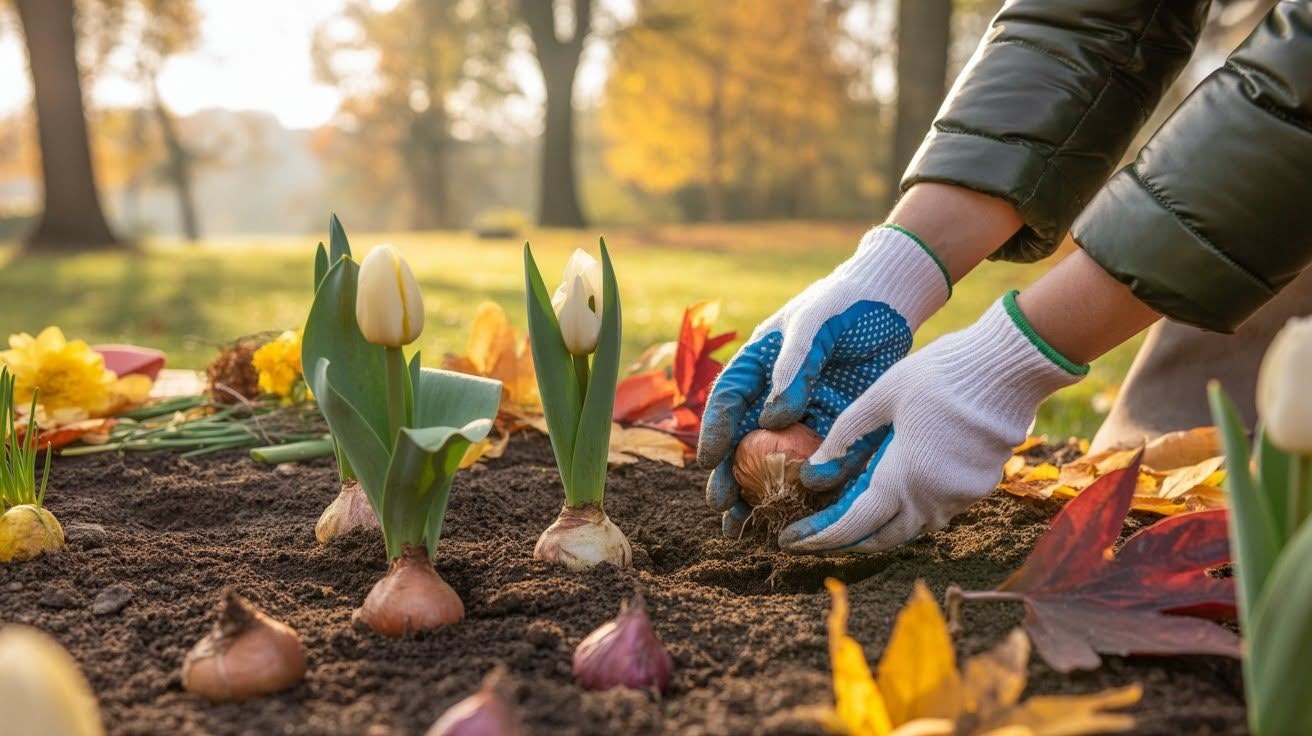
Here’s something that surprises many gardeners: fall is actually the best time to plant most spring-blooming flowers. Specifically, you want to plant between September and November, depending on where you live.
Why fall? Spring-flowering bulbs like tulips and daffodils need a cold period to grow properly. They spend winter underground, developing strong roots in the cool soil. This cold time, called dormancy, is what triggers them to bloom when spring arrives. The general rule is to plant about 6-8 weeks before the ground freezes solid in your area.
Fall planting gives your bulbs months to settle in and build energy. When spring comes, they’re ready to shoot up and flower right away. If you wait until spring to plant spring bulbs, you’ll miss the bloom time entirely that year. Your growing zone and local frost dates will tell you the exact window for when to start planting flowers for spring in your area.
Types of Spring Flowers and When to Plant Them
Different flowers have different needs. Here’s when to plant the most popular spring bloomers.
Tulips
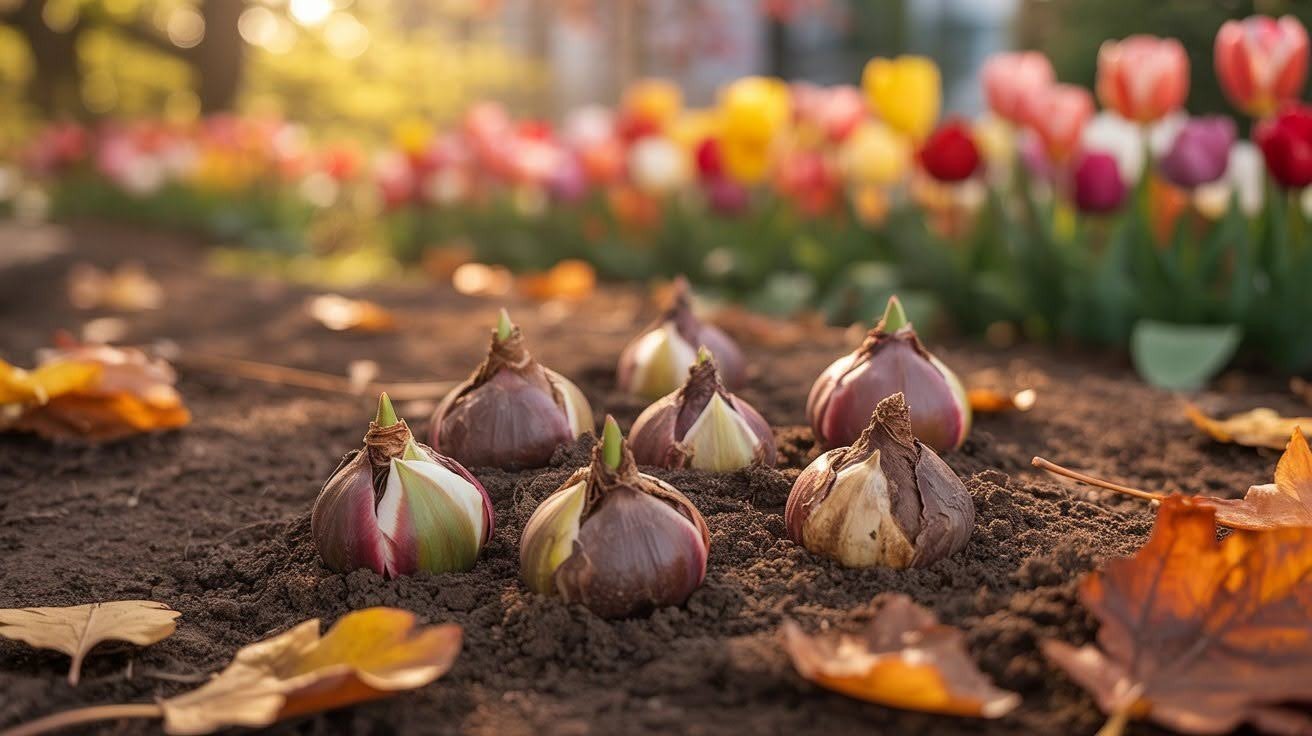
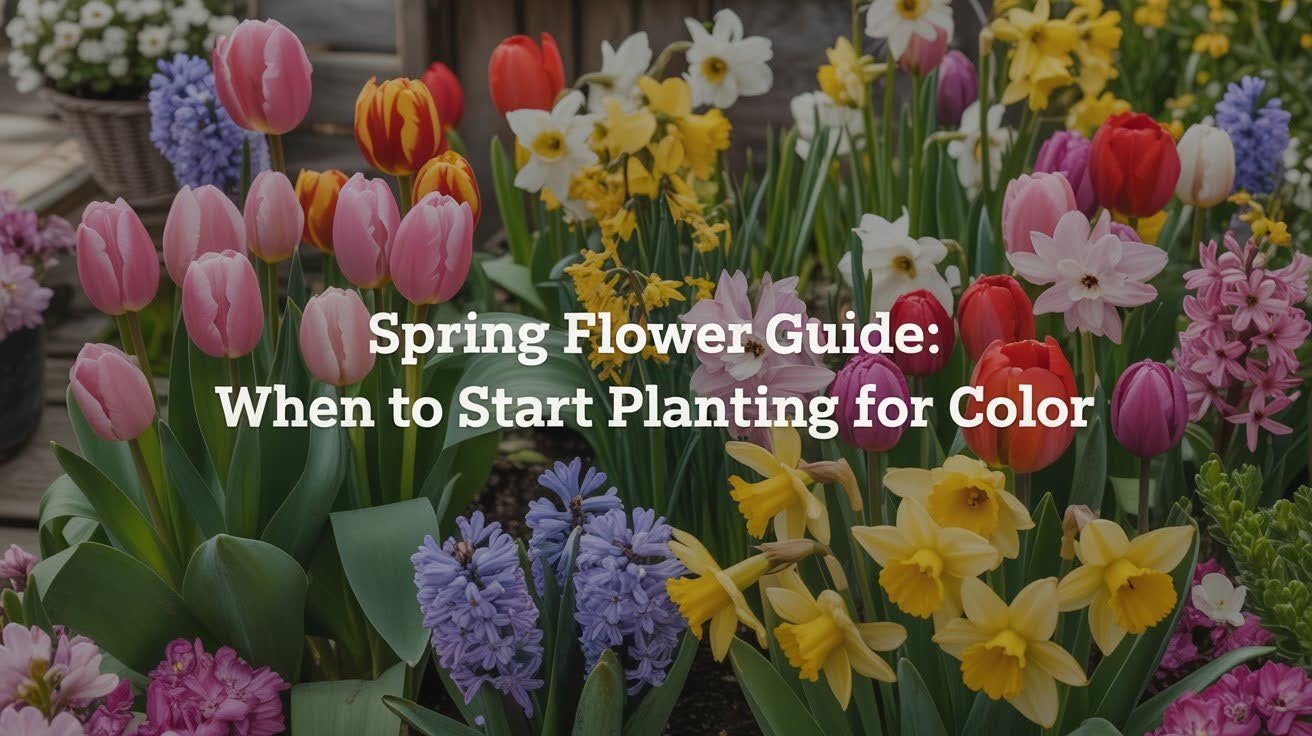
Tulips are classic spring flowers that need fall planting. Put them in the ground from late September through November, depending on your climate. The soil temperature should be around 60°F or cooler when you plant.
Plant tulip bulbs about 6-8 inches deep and space them 4-6 inches apart. The pointed end should face up. Deeper planting actually helps protect them from animals and gives you better blooms.
Tulips come in many colors and types. They need full sun and well-draining soil to thrive. Most varieties bloom in mid to late spring.
Daffodils
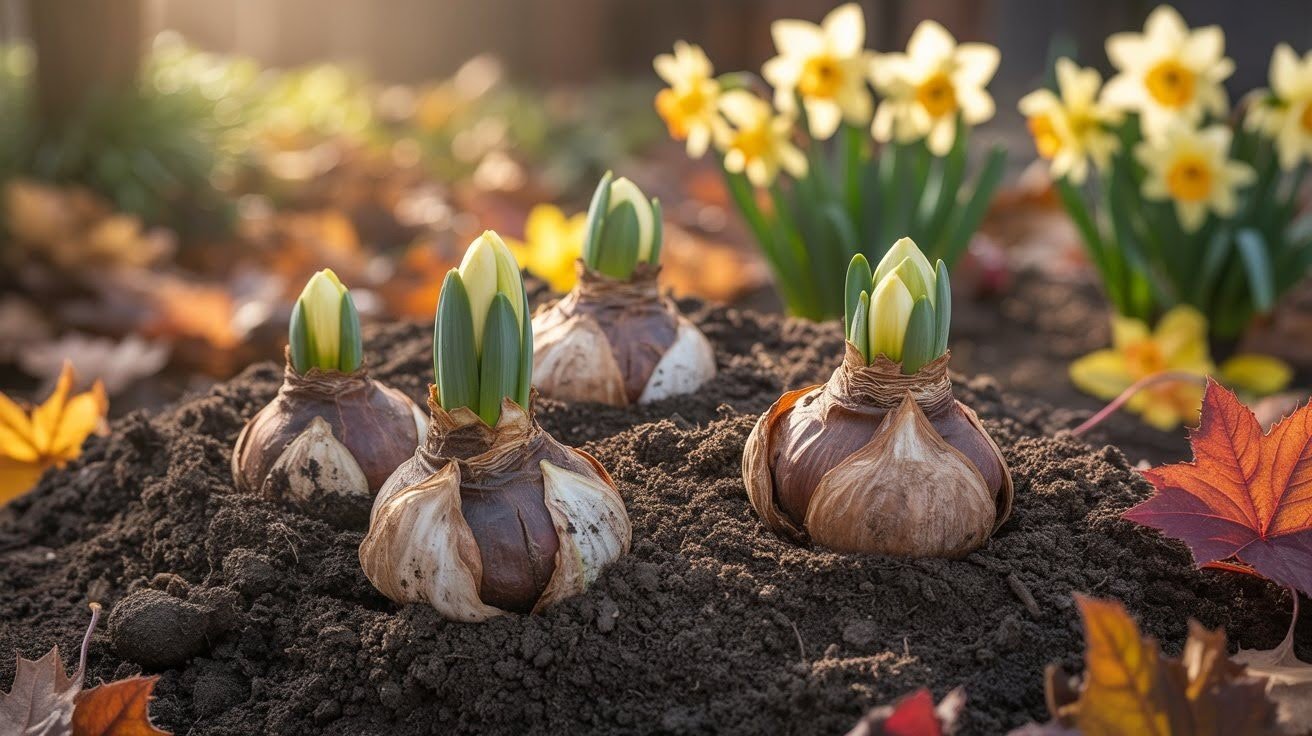
Daffodils, also called narcissus, go in the ground during September through October. They’re more forgiving than tulips if you plant a bit late. Some gardeners successfully plant daffodils even into early November.
These cheerful yellow flowers are hardy and tough. They come back year after year without much care. Daffodils actually multiply over time, giving you more blooms each season.
Plant daffodil bulbs 6 inches deep and 6 inches apart. They prefer full sun but can handle partial shade. Most animals won’t eat daffodil bulbs, which makes them a smart choice if you have pest problems.
Crocuses
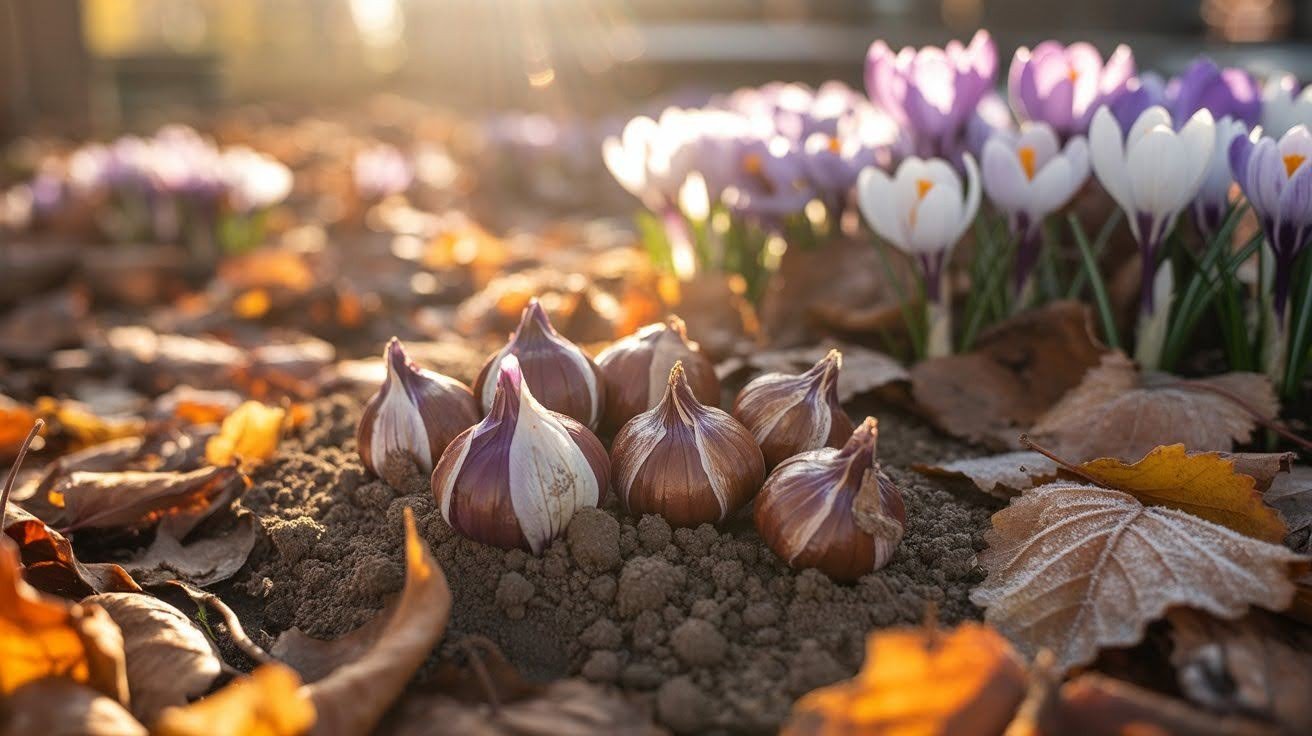
Crocuses should go in the ground in early to mid-fall. They’re often the very first flowers to pop up in spring, sometimes even pushing through snow. This early bloom time makes them special.
These small bulbs only need to be planted 3-4 inches deep. Space them about 3 inches apart. You can plant them in groups for the best visual effect.
Crocuses work well in lawns, under trees, or in garden beds. Their small size means you can’t tuck them in almost anywhere. They need good drainage to prevent rot.
Hyacinths
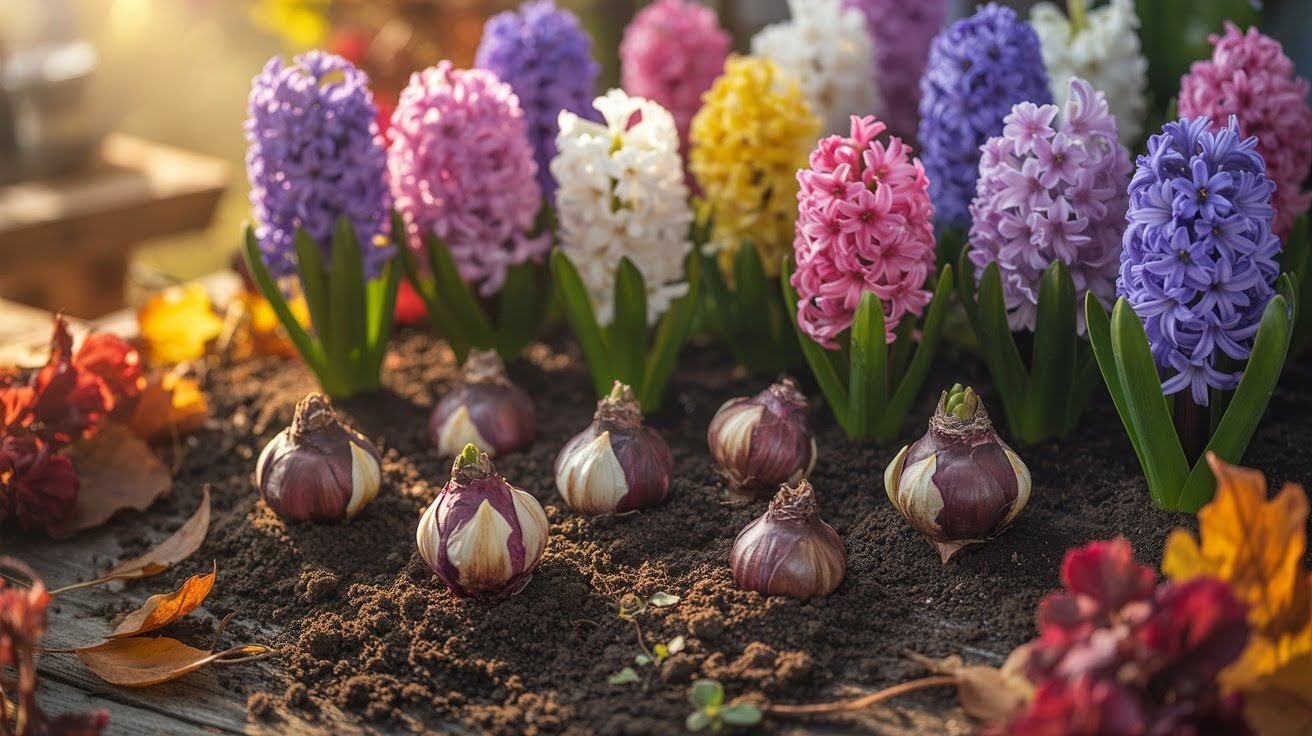
Plant hyacinths in fall before the ground freezes, usually October through November. These flowers are known for their strong, sweet smell. Just a few hyacinth plants can fill your whole yard with fragrance.
Hyacinths need that cold winter period just like other spring bulbs. Plant them 6 inches deep and about 6 inches apart. They prefer full sun but can grow in light shade.
The blooms come in purple, pink, white, yellow, and blue. They’re thick and full of tiny flowers on each stem. Hyacinths look great in containers, too.
Pansies
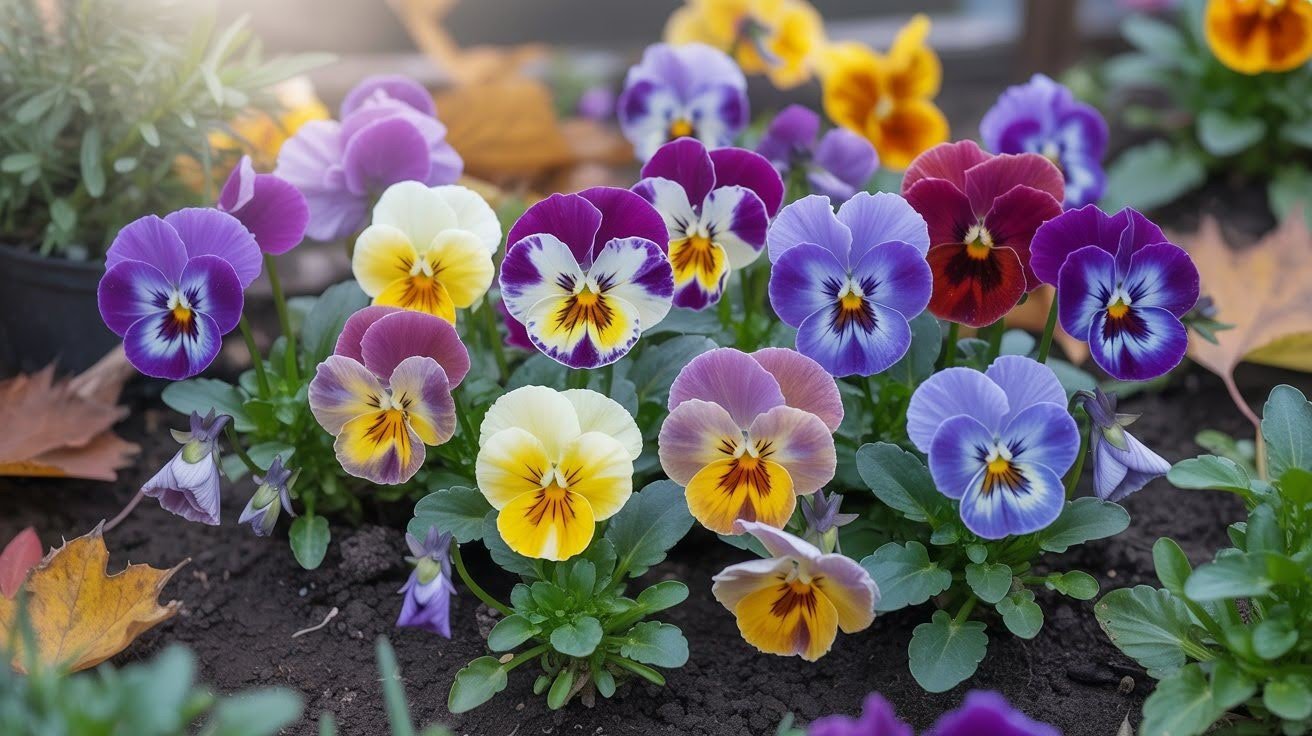
Pansies are different from bulbsthey’re planted as small plants or seeds. You can plant pansies in early spring or late fall. They’re cool-season flowers that actually prefer cooler weather.
These colorful flowers can handle light frost without problems. In mild climates, pansies bloom all winter long. They come in almost every color you can think of.
Plant pansies about 6-8 inches apart in well-draining soil. They need regular water but don’t like soggy conditions. Deadhead spent blooms to keep them flowering longer.
Primrose
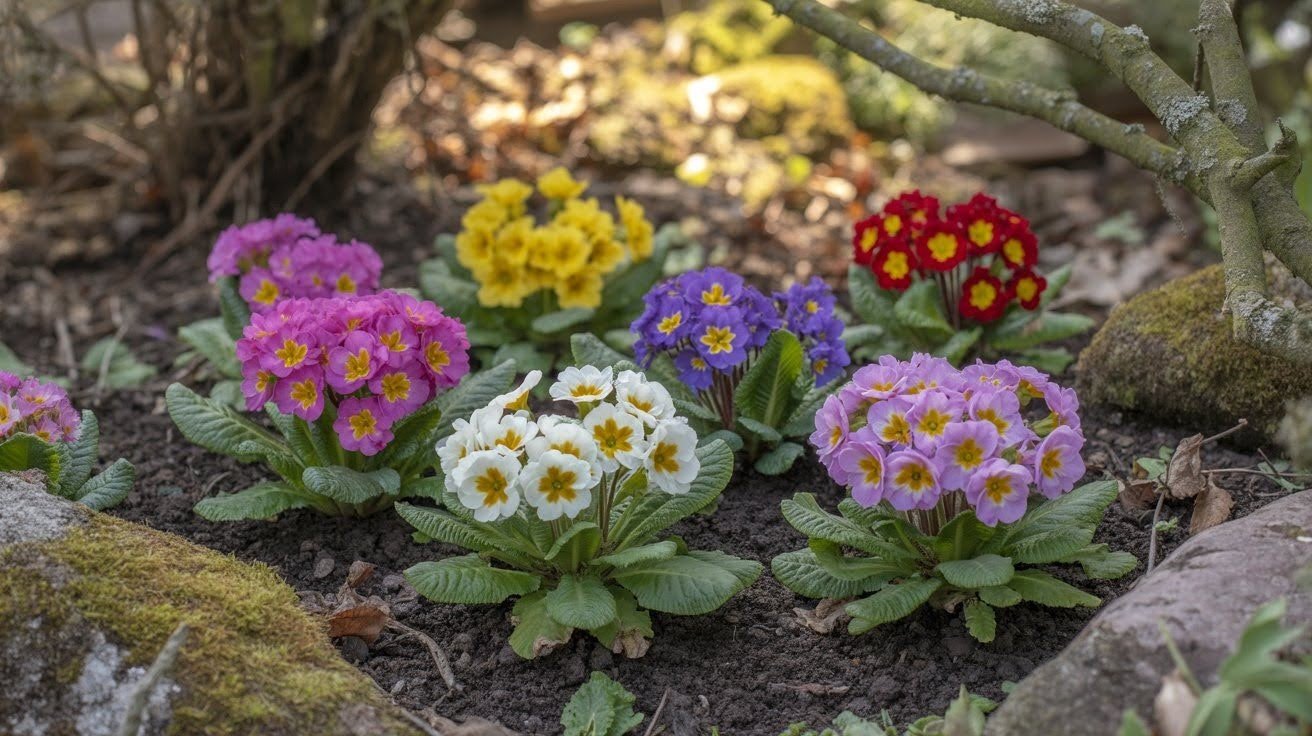
Primrose plants should go in the ground in early spring after the danger of hard frost passes. They’re perennials, which means they come back each year. Primroses give you reliable spring color without replanting.
These low-growing plants work well in shady spots where many other flowers won’t grow. They bloom in bright colors like pink, yellow, purple, and red. Some varieties have interesting patterns or multi-colored petals.
Space primrose plants 6-12 inches apart, depending on the variety. They like moist soil and afternoon shade. Primroses spread slowly over time to fill in bare spots.
Sweet Alyssum
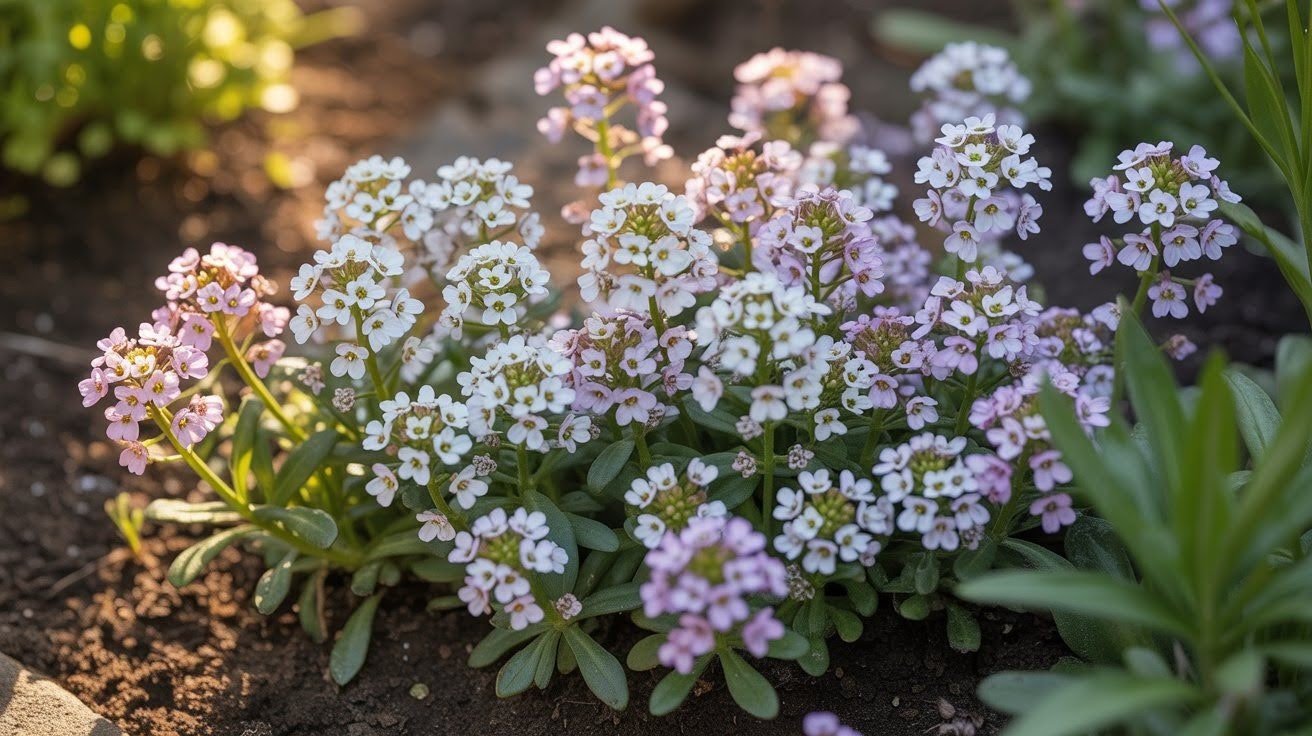
Sweet alyssum goes in the ground in early spring after your last frost date. This cool-season annual grows fast and starts blooming quickly. Within weeks of planting, you’ll have flowers.
The tiny white, pink, or purple flowers grow in clusters and smell like honey. Sweet alyssum stays low to the ground, making it perfect for borders or filling in between larger plants.
Plant sweet alyssum about 6 inches apart. It can handle some light frost but not hard freezes. This flower reseeds itself easily, so it might come back on its own next year.
Tips for Successful Spring Flower Planting
Knowing when to start planting flowers for spring is just the beginning. These tips will help you succeed.
Before you buy any plants or bulbs, find out your USDA growing zone. This tells you which plants will survive in your climate. Check your area’s first and last frost dates toothese dates guide your planting schedule.
Here are key things to remember:
- Watch the weather: Don’t plant when the soil is too wet or muddy. Wait for drier conditions so you don’t compact the soil.
- Pick the right spot: Read plant tags to see if your flowers need full sun or shade. Match the plant to the location.
- Fix your soil first: Add compost or other organic matter before planting. Good soil helps roots grow strong.
- Water correctly: Most bulbs need water right after planting, then less water during winter. Too much moisture causes rot.
- Add mulch: Put 2-3 inches of mulch over fall-planted bulbs. This protects them from temperature swings and keeps weeds down.
- Plant at the right depth: This matters more than you might think. Too shallow and bulbs freeze. Too deep, and they struggle to sprout.
- Store properly: If you can’t plant bulbs right away, keep them in a cool, dry place. Don’t let them sit in a hot garage or get wet.
- Don’t stress about being late: There’s some flexibility in planting times. A week or two late usually isn’t a disaster.
Following these guidelines will set you up for success when you start planting flowers for spring blooms.
Conclusion
The key to gorgeous spring flowers is simple: plan and plant at the right time. For most spring-blooming bulbs, fall is your planting window. Those bulbs need cold weather to do their thing underground during winter.
Remember to check your local frost dates and growing zone before buying plants. Every area is a bit different. What works in Florida won’t work in Minnesota.
Don’t feel overwhelmed by all the details. Start with easy flowers like daffodils or crocuses. They’re forgiving and hard to kill. Once you see those first blooms push through the soil in spring, you’ll be hooked.
Your future self will thank you for planting now. There’s nothing quite like seeing your yard burst into color after a long, gray winter. So grab your shovel, get some bulbs, and start planning your spring garden today.
Frequently Asked Questions
Can You Plant Flower Seeds Directly in the Ground for Spring?
Yes, you can plant seeds directly outside, but timing matters. Some seeds need cold treatment first, called cold stratification. Others do better when started indoors 6-8 weeks before your last frost, then moved outside as seedlings.
What Happens if I Plant Spring Bulbs Too Early?
Planting too early in warm weather can cause bulbs to sprout before winter. If shoots come up and then get hit by freezing temperatures, the bulbs waste energy and may not bloom in spring. Wait until the soil cools to 60°F or below.
How Deep Should I Plant Different Spring Flower Bulbs?
The basic rule is to plant bulbs three times as deep as they are tall. Large tulip bulbs go 6-8 inches deep, while small crocus bulbs only need 3-4 inches. Correct depth protects bulbs from freezing and animals while giving shoots room to grow.
Do I Need to Fertilize When Planting Spring Flowers?
Adding bulb fertilizer at planting time helps, but it’s not required. Mix a slow-release fertilizer or bone meal into the soil when you plant. You can also add a balanced fertilizer in spring when shoots appear. Organic options like compost work well, too.
How Do I Protect Fall-Planted Bulbs from Animals?
Squirrels, voles, and deer love eating bulbs. Use wire mesh or hardware cloth to cover planting areas. Plant daffodils, which animals avoid because they taste bad. You can also try mixing less-tasty bulbs with ones animals like to create a natural barrier.