
Are you dreaming of colorful flowers, so that’s a time to make decisions that are blooming in your garden from spring until fall? If you are living in USDA Zone 6b, then you are lucky. The one and only way to have lovely flowers is by knowing the exact time of planting them.
If you do it at the right time, you will have beautiful flowers for months, starting from tulips in early spring and ending with dahlias in late summer. Your garden will be full of color all season long.
This guide will teach you the exact time for planting different flowers throughout the year. You will find out which seeds should be started indoors, which ones should be directly planted in the ground, and how to make your flowers keep blooming for a longer time.
What is the Zone 6b Planting Schedule for Flowers?
A zone 6b planting schedule flowers guide tells you the best times to plant different types of flowers in your area. Think of it as a calendar that helps you avoid mistakes like planting too early or too late. When you plant at the right time, your flowers grow stronger and bloom better.
- Indoor Seeds (Late Winter/Early Spring): Start tender annuals like Petunias, Coleus, and Verbena 6-8 weeks before the last frost. These plants need a head start indoors because they take longer to grow.
- Hardy Direct Sow (Early Spring): Once the soil is workable in late March or April, sow cold-tolerant seeds like Marigolds, Zinnias, and Poppies directly outside. These tough flowers don’t mind chilly weather.
- Tender Bulbs (Late Spring): Wait until mid-May when all danger of frost has passed. Then plant tender bulbs like Dahlias and Canna Lilies, and move your indoor seedlings outside.
- Spring-Blooming Bulbs (Fall): Plant Tulips, Daffodils, and Crocus between September and October, before the ground freezes hard. These bulbs need cold winter weather to bloom in spring.
A Deep Look into the Zone 6b Flower Planting Calendar (Monthly Detail)
Let’s break down each month so you know exactly what to do. This monthly guide keeps you on track throughout the entire growing season.
Planning means you won’t miss important planting windows. Some flowers only grow well if planted at specific times. Following this calendar helps you avoid disappointment.
Each month brings different tasks for your flower garden. From starting seeds to preparing beds for winter, there’s always something to do. But don’t worry, we’ll walk through it step by step so you feel confident about what comes next.
February and March: Indoor Seed Starting for Early Flowers
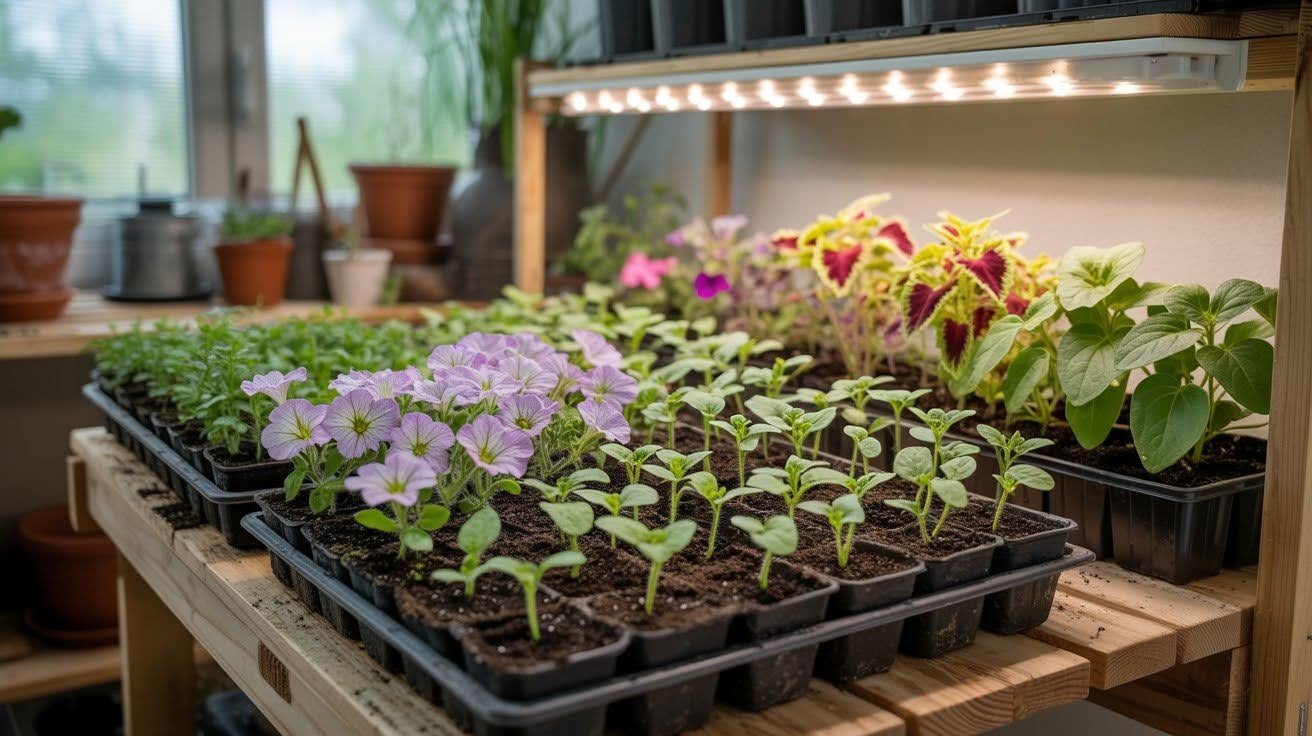
Now is the time to start seeds indoors for flowers that need a longer growing season. Focus on Petunias, Coleus, and Verbena. These beauties take 6-8 weeks before they’re ready to move outside.
Make sure your seedlings get enough light. Without proper lighting, they’ll grow tall and weak instead of strong and sturdy. A sunny window might not be enough, so consider using grow lights.
Keep your soil moist but not soaking wet. Too much water causes problems like mold and rotting seeds. Check your seedlings daily and give them good air circulation to prevent disease.
April: Direct Sowing Hardy Annuals and Perennial Foundations
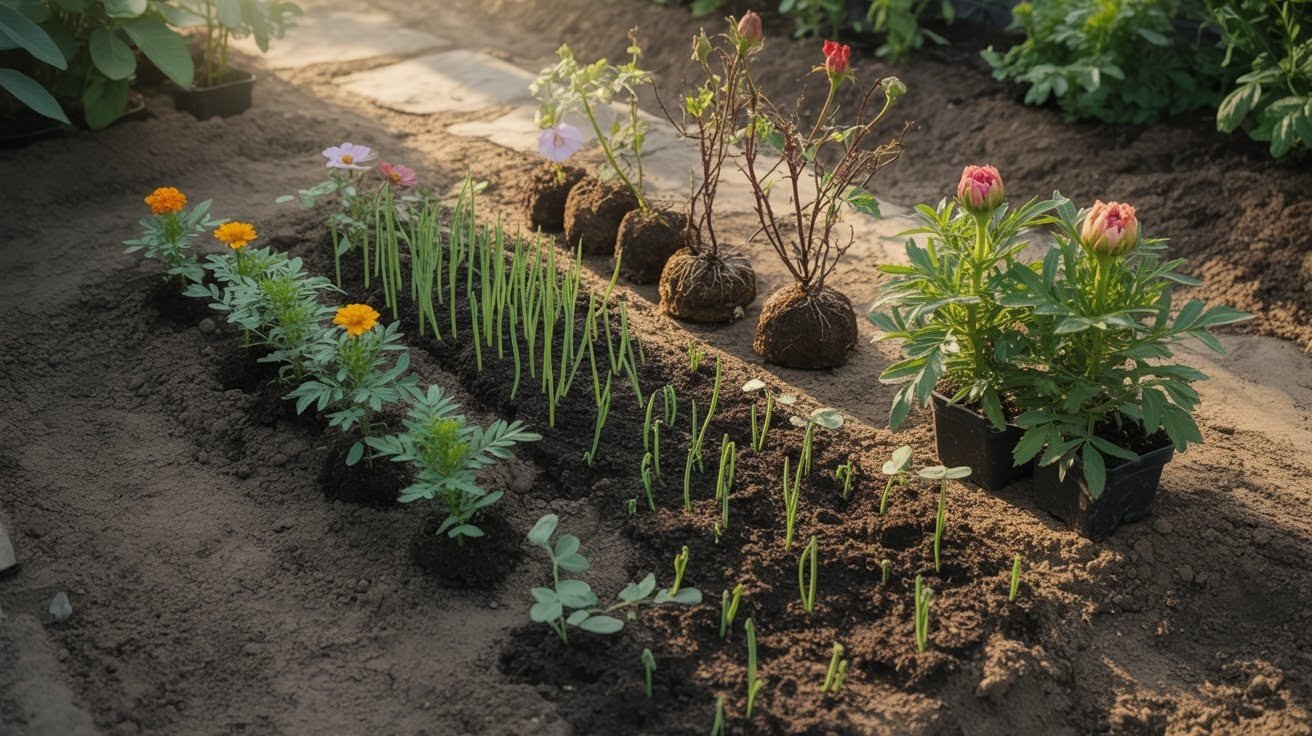
April is perfect for planting hardy annuals directly in your garden. Marigolds, Zinnias, and Cosmos can handle the cool spring weather. Just wait until the soil isn’t muddy anymore, and you can work it easily.
This month is also ideal for planting bare-root Roses and Peonies. These perennials form the backbone of your flower garden and will come back year after year. Get them in the ground early so their roots establish before hot weather arrives.
Start hardening off your indoor seedlings during April, too. This means gradually getting them used to outdoor conditions. Set them outside for a few hours each day, slowly increasing the time over a week or two.
May and June: Planting Tender Annuals and Summer Bulbs
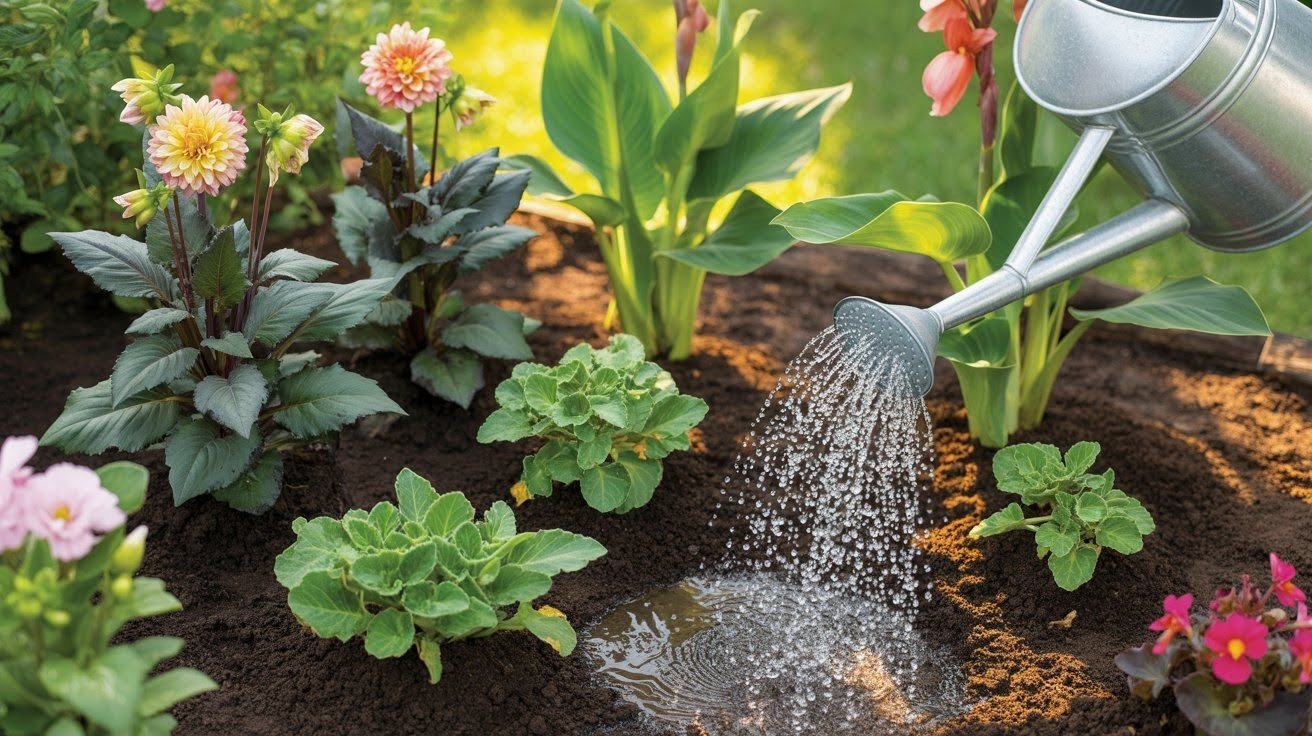
May is your biggest planting month for the zone 6b planting schedule flowers. After the last frost date passes (usually mid-May), it’s safe to plant everything tender. Move all your indoor seedlings outside and plant frost-sensitive bulbs like Dahlias, Canna Lilies, and Begonias.
June is great for succession planting. Direct sow fast-growing annuals like Nasturtiums to fill in spots where early spring flowers have finished blooming. This keeps your garden looking full all summer.
Water your new plants deeply and regularly. They need consistent moisture to establish strong root systems. Once they’re growing well, you can cut back to watering 1-2 times per week, depending on rainfall.
August and September: Sowing for Next Spring’s Blooms
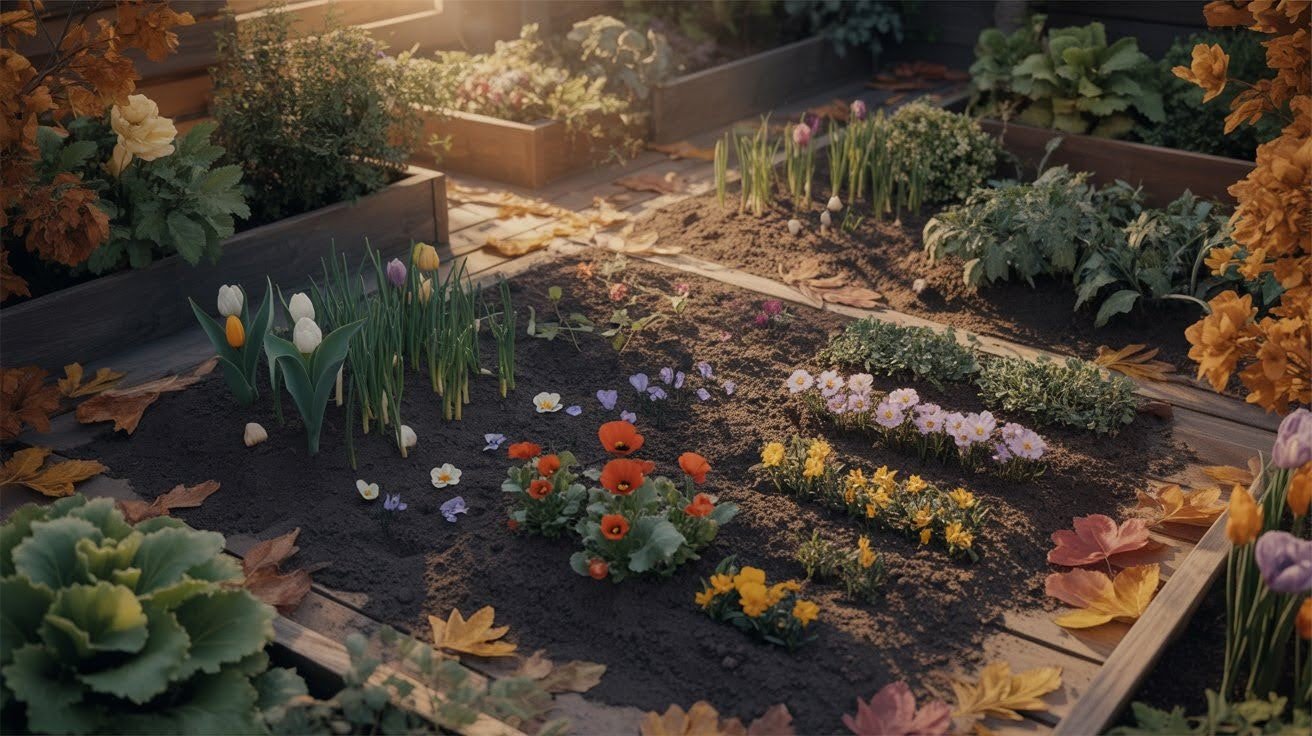
Late summer might seem like an odd time to think about planting, but it’s perfect for planning. Sow seeds of biennials and hardy annuals like Poppies, Pansies, and Calendula now. They’ll either give you late-fall color or germinate early next spring.
September is when you start planting spring-blooming bulbs. Get Tulips, Crocus, and Daffodils in the ground this month. They need several weeks of cold weather to develop properly before winter really sets in.
Don’t forget to keep deadheading your existing flowers. Removing spent blooms encourages plants to keep flowering instead of making seeds. This simple task extends your blooming season by weeks.
October and November: Final Flower Planting and Winter Prep
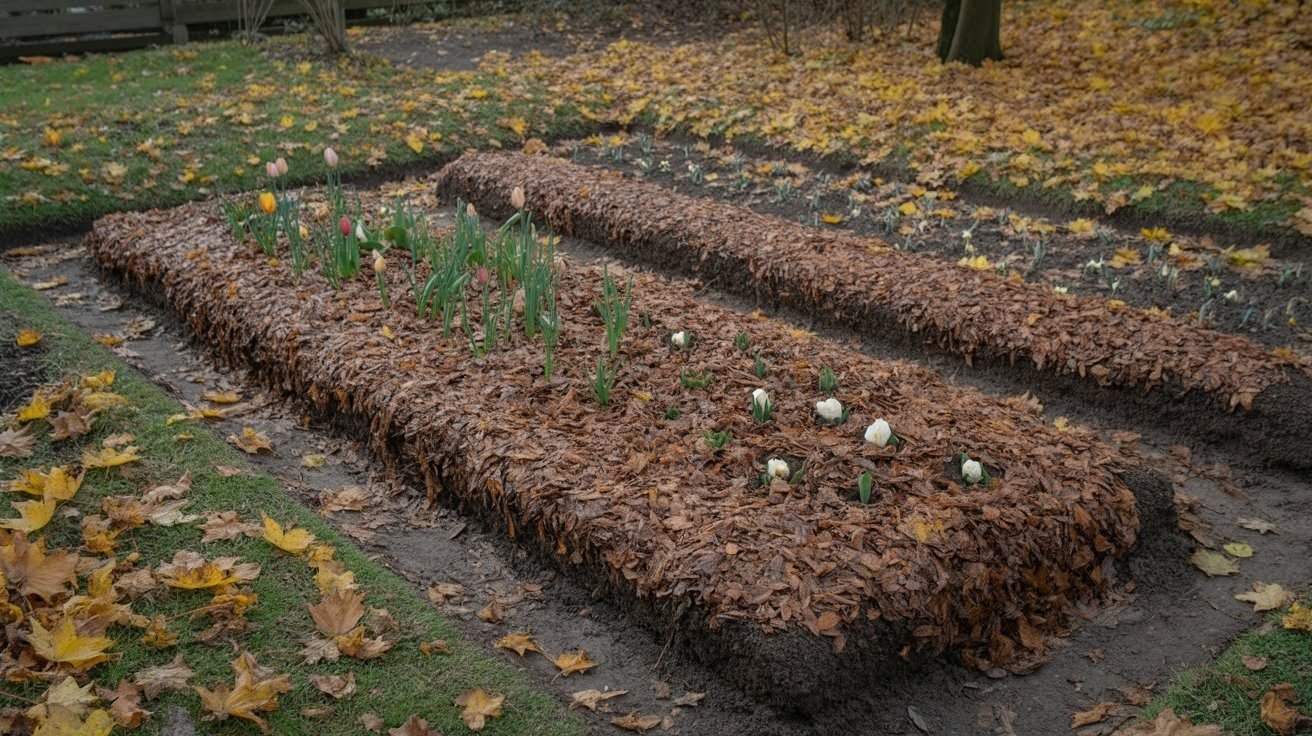
Finish planting all spring bulbs before the ground freezes solid. You might need to work fast if early cold weather arrives. Getting bulbs in now means beautiful blooms next April and May.
October is also your last chance to plant or move perennial flowers. The cooler weather is actually helpful for plants focus on root growth instead of flowers. This gives them a strong start for next year.
Apply a thick layer of mulch to all flower beds before winter. Three to four inches of shredded leaves, straw, or wood chips protects plant roots from temperature swings. Mulch acts like a blanket, keeping the soil temperature more stable throughout winter.
Zone 6b’s Critical Dates and Flower Hardiness
Plants rated for Zone 6 or lower will survive your winters. Perennials like Echinacea, Lavender, and Black-Eyed Susans come back year after year. Even Dahlias can survive if you dig up their tubers and store them indoors during winter.
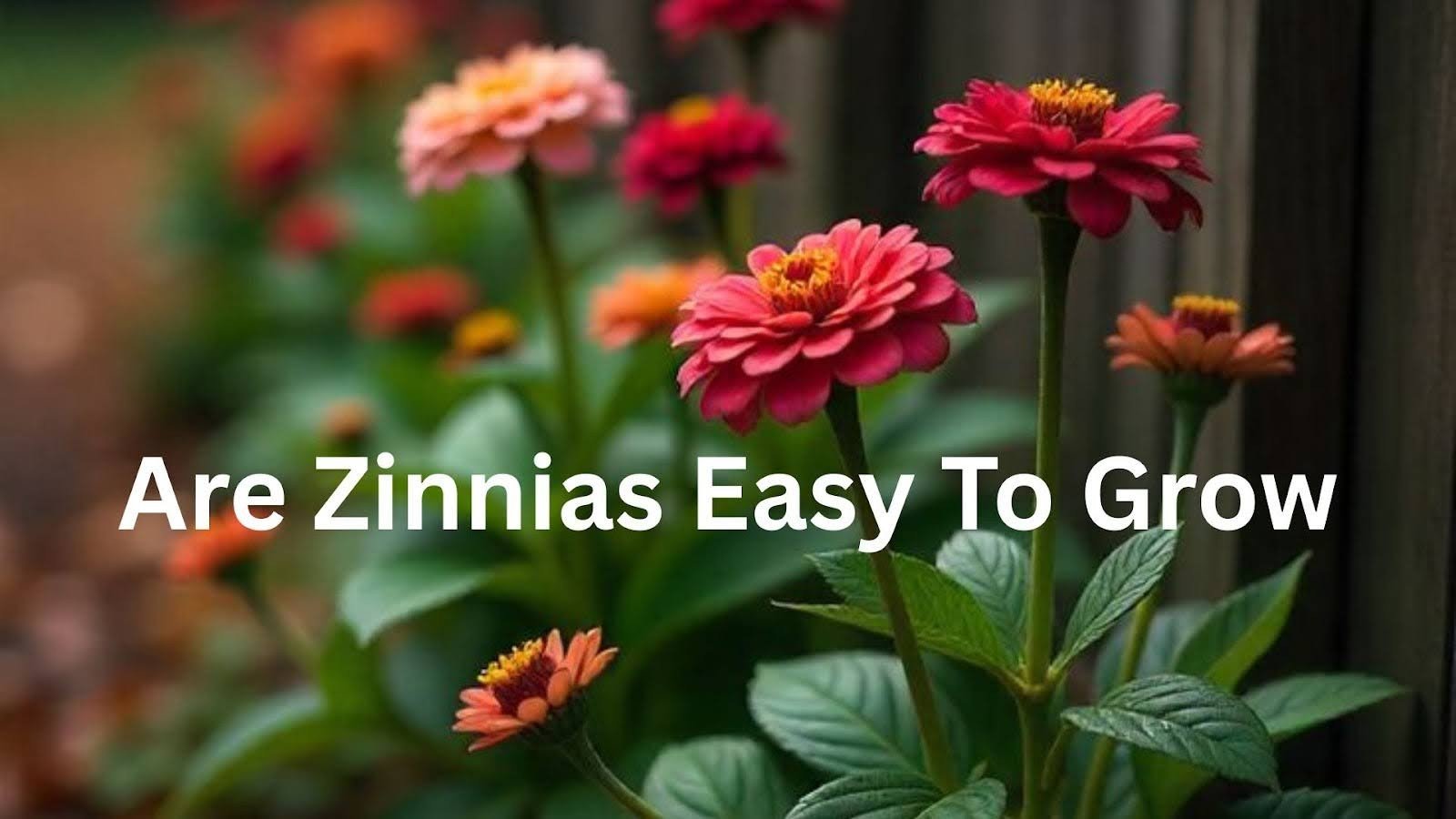
Most of your bright summer flowers, like Zinnias, Marigolds, and Petunia, are annuals. They can’t survive freezing temperatures, so you’ll need to replant them every spring. But that’s actually good news; it means you can try new colors and varieties each year.
Check plant tags before buying. They’ll tell you if a plant is hardy to your zone. When in doubt, ask at your local garden center. They know which plants do well in your area and which ones struggle.
Post-Planting Care and Maintenance Chores for Zone 6b Flowers
Growing flowers successfully means more than just planting them at the right time; you need to care for them properly throughout the season.
The Importance of Watering and Mulching
New plantings need deep watering every day until their roots grow strong. This usually takes 2-3 weeks. Once established, most flowers need deep watering 1-2 times per week, depending on rain and heat.
Water in the morning when possible. This prevents mildew and fungal diseases that love wet leaves overnight. Morning watering also means less water evaporates, so more reaches the roots where plants need it most.
Mulch saves you tons of work during the summer. A 2-3 inch layer around your flowers holds moisture in the soil and blocks weeds from sprouting. Less weeding and less watering means more time enjoying your beautiful garden.
How to Encourage Continuous Blooms (Deadheading)?
Deadheading means removing flowers after they fade and wilt. This one simple task keeps your plants blooming much longer. When you cut off old flowers, the plant doesn’t make seeds. Instead, it makes more flowers.
Check your plants every few days and snip off spent blooms. Use clean scissors or just pinch them off with your fingers. Some plants like Petunias and Marigolds especially love this treatment and will bloom nonstop if deadheaded regularly.
Not all flowers need deadheading. Some are “self-cleaning,” meaning old blooms fall off by themselves. Others like Zinnias and Cosmos benefit greatly from regular deadheading. Learn which of your flowers respond best to this care.
Planning for Continuous Color: When Will Your Flowers Bloom?
Understanding how long different flowers take to bloom helps you plan for nonstop color throughout the growing season.
Quick Bloomers (45-60 days)
These fast-growing flowers are perfect when you want quick results. Calendula, Poppies, and Marigolds bloom in just 6-8 weeks from planting. They’re great for filling empty spots or replacing flowers that have finished blooming.
Quick bloomers also work well for succession planting. Plant a new batch every 2-3 weeks, and you’ll have continuous color. Kids especially love these flowers because they see results so fast.
Many quick bloomers also reseed themselves. This means they drop seeds that sprout next year. Poppies and Calendula often come back on their own, giving you free flowers with no extra work.
Moderate Growers (60-90 days)
These flowers form the main part of most summer gardens. Cosmos, Zinnias, and Sunflowers take 2-3 months from seed to bloom. They’re worth the wait because they flower heavily and for a long time.
Moderate growers give you the best value. One planting provides months of continuous blooms. Zinnias especially keep producing flowers from July until frost if you deadhead them regularly.
Most moderate growers are easy to start from seed directly in the garden. You don’t need to fuss with indoor starting. Just plant them in May, following your zone 6b planting schedule, flowers calendar, and they’ll bloom by midsummer.
Long-Haul Flowers (90-120+ days)
These flowers take the most patience but give the longest show. Dahlias, Delphiniums, and Lavender need 3-4 months or more from planting to blooming. Many are perennials that bloom every year once established.
Long-haul flowers often have the most impressive blooms. Dahlias produce huge, showy flowers from late summer through fall. Delphiniums create tall spikes of beautiful blue flowers that stop traffic.
Starting these flowers early gives you blooms the same year. Dahlias planted in May will flower by August. Perennials might not bloom much their first year, but they’ll be stronger and bloom better each following year.
Conclusion
Definitely having a gorgeous flower garden is one of the perks of living in zone 6b if you only follow the right timing. Your Zone 6b flower planting schedule calendar is like a year-round guide to your success.
It is a good idea always to remind yourself of the two main dates: mid-April for the last frost and mid-October for the first frost. All your planting decisions revolve around these dates. After the last frost, start your tender plants, and before the first frost, get your bulbs in.
Don’t get overwhelmed with the amount of stuff you have to do. Just experiment with a few easy flower types like Marigolds, Zinnias, and Tulips. Once you get the hang of it, you can pump more varieties every year.
Frequently Asked Questions
What is the last frost date for zone 6b?
The average last frost date for zone 6b is mid-April, usually around April 15th. However, frost can happen late in some years, so watch your local weather forecast. Wait until after this date to plant tender flowers outside safely.
Can I plant perennials in the fall in zone 6b?
Yes, fall is actually great for planting perennials in zone 6b. Plant them in September or October, at least 6 weeks before the ground freezes. Fall planting gives roots time to establish before winter arrives and plants focus energy on root growth.
Which flowers grow best in zone 6b?
Many flowers thrive in zone 6b, including Coneflowers, Black-Eyed Susans, Daylilies, Peonies, and Hostas for perennials. For annuals, Zinnias, Marigolds, Petunias, and Sunflowers all do wonderfully.
When should I start seeds indoors for zone 6b?
Start seeds indoors 6-8 weeks before your last frost date for most flowers. For zone 6b, this means starting seeds in late February or early March. Slow-growing flowers might need 10-12 weeks, so start them in January or early February instead.
How do I prepare flower beds for winter in zone 6b?
Cut back perennials after the first hard frost kills the foliage. Apply 3-4 inches of mulch over flower beds to protect plant roots from temperature changes. Leave mulch in place until spring, then pull it back as new growth appears in April.