
Have you ever planted seeds only to watch them shrivel up and die? That’s what happens when you plant at the wrong time in Zone 9b.
Zone 9b has a unique climate. Winters are mild, and summers are scorching hot. This zone includes parts of Arizona, Texas, California, and Florida. The temperature rarely drops below 25°F in winter.
Timing is everything here. Plant too early, and frost might kill your seedlings. Plant too late, and the summer heat will cook them. That’s why you need a solid zone 9b planting guide.
In this guide, you’ll learn exactly when to plant each vegetable. You’ll get a month-by-month calendar that takes the guesswork out of gardening. Let’s help you grow more food with less frustration.
What is the Zone 9b Planting Schedule?
Zone 9b gives you two productive growing seasons each year. The cool season runs from October through April. During these months, you can grow lettuce, broccoli, kale, carrots, and peas. These crops love the mild winter temperatures.
The warm season starts in late February and runs through July. This is when you grow tomatoes, peppers, eggplants, cucumbers, and squash. These plants need heat to produce fruit. Start many of them indoors before transplanting outside.
Temperature guides your planting decisions. Cool-season crops go in the ground when daytime temps stay in the 60s-80s. Warm-season crops need consistent 70s-80s before transplanting. Some plants, like peppers, wait until they hit 70°F or warmer. Others, like eggplants, need 80°F. Following this zone 9b planting guide helps you time everything right.
Month-by-Month Zone 9b Planting Calendar
Here’s your complete calendar for what to plant each month in Zone 9b.
January

January is a great month for cool-season crops. You can direct sow peas straight into the garden. Peas love the cooler weather and will climb up trellises as temperatures warm. Root vegetables like carrots and radishes also do well when planted now.
Keep harvesting leafy greens and brassicas you planted last fall. Lettuce, kale, and broccoli should still be produced. January’s mild temperatures make these vegetables sweet and crisp. Water them regularly since winter in Zone 9b can be dry.
February
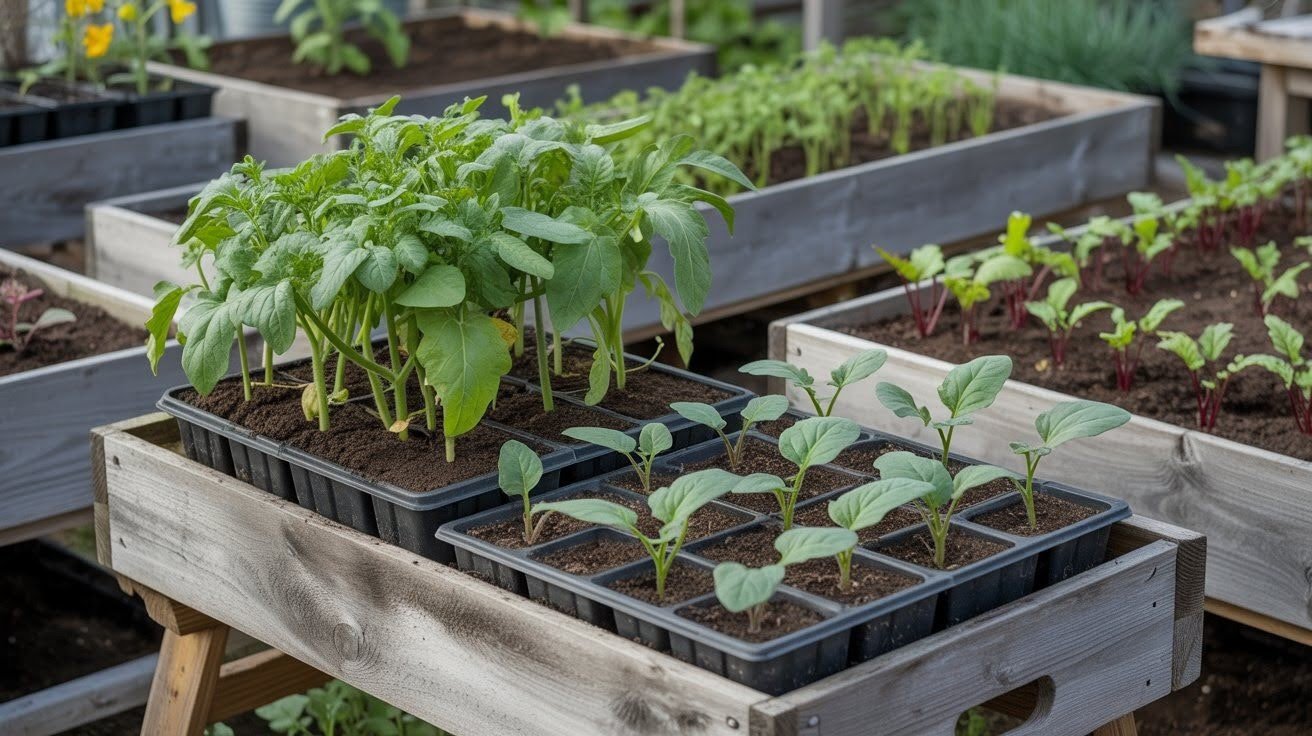
February is busy in the garden. Start seeds indoors for eggplant and cucumbers. These warm-season crops need a head start since they take time to grow. Give them 6-8 weeks indoors before the weather warms up enough for transplanting.
Mid-February is tomato transplanting time. After the last frost date passes, you can move tomato seedlings outside. Also, direct sow beets and more root vegetables this month. The soil is warming up, making it perfect for seeds to sprout quickly.
March

March brings warmer temperatures to Zone 9b. When daytime temps reach the 70s, transplant peppers and chiles outside. These plants need warmth to grow strong. Late March is good for transplanting summer squash, too.
This is your last chance for cool-season crops. Once April arrives, the heat makes it too hot for lettuce and broccoli. Plant any remaining cool-season vegetables now. They’ll give you a final harvest before summer takes over.
April

April temperatures climb into the 80s. This is perfect for transplanting eggplants and cucumbers. These heat-loving plants will take off once the warm weather settles in. Make sure to water them well as they get established.
This is the final spring planting window for warm-season crops. After April, it gets too hot for most transplanting. Start harvesting the vegetables you planted in early spring. Peas, carrots, and early tomatoes should be ready to pick.
May

May shifts your focus indoors again. Start seeds for tomatoes and peppers that will go in the garden for a second fall season. This may seem early, but it gives plants time to grow strong before transplanting in July.
Your existing plants need extra water now. Temperatures are rising fast. Harvest any remaining spring crops before summer heat shuts them down. Lettuce and other greens will bolt once it gets too hot.
June

June is survival mode for your garden. Focus on keeping summer plants alive with shade cloth and lots of water. There’s very limited new planting activity this month. The heat is too intense for most seeds to germinate.
Some fruiting plants may stop producing when temperatures soar past 95°F. Tomatoes and peppers often take a break. Don’t worrythey’ll start producing again when temperatures drop in the fall. Just keep them alive through the hottest weeks.
July

July brings monsoon rains to many Zone 9b areas. This is when you transplant tomatoes, peppers, and chiles that you started indoors in May. The combination of heat and moisture helps them grow quickly. These will produce a great fall harvest.
You can also plant summer squash now for a fall harvest. The monsoon moisture makes July planting more successful than June. Start your second season of warm-season crops during the rainy period. They’ll have time to mature before winter arrives.
August

August is planning month. Start seeds indoors for lettuce, spinach, and brassicas. Even though it’s still 100°F outside, these seeds need time to grow before transplanting in October. Indoor seed starting is the secret to fall garden success.
Use this month to prep your garden beds for fall planting. Remove any dead summer plants. Add compost to build up the soil. Getting ready now means you’ll hit the ground running when October arrives. This zone 9b planting guide recommends starting early for best results.
September
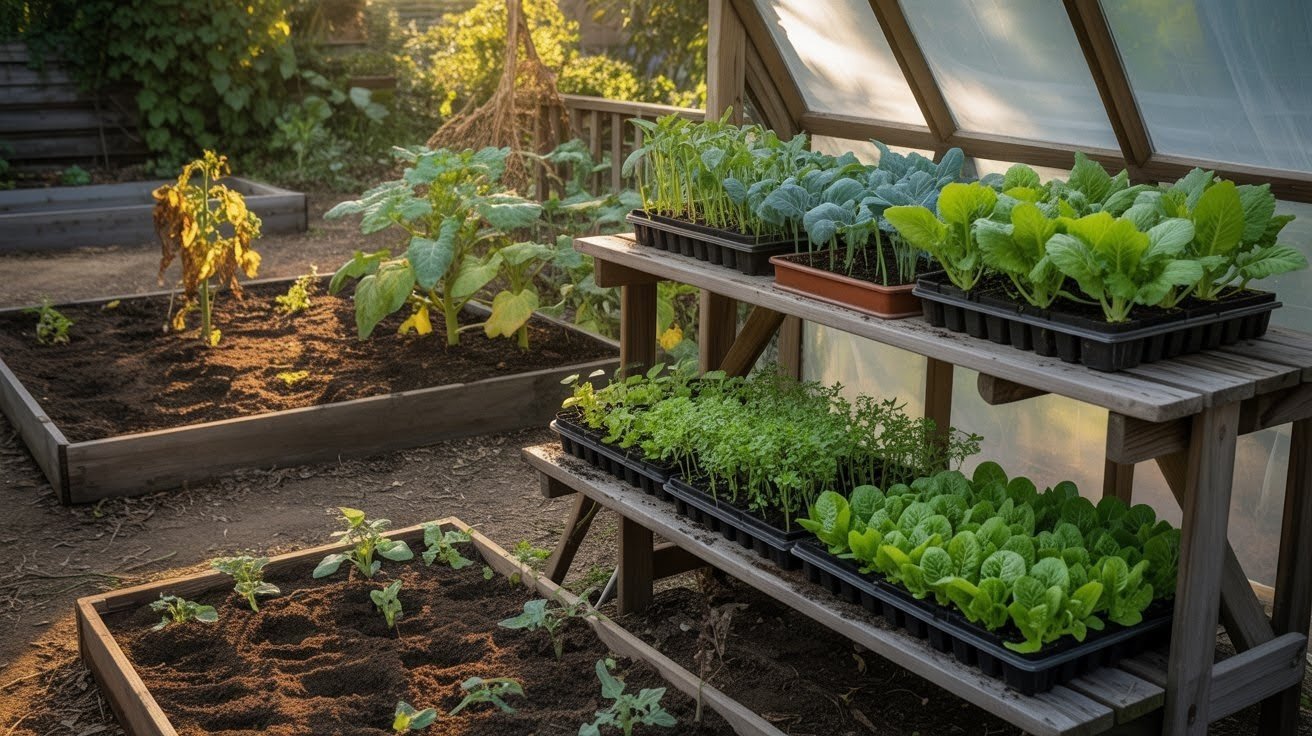
September continues the indoor seed starting. Keep growing cool-season seedlings inside where it’s cooler. These young plants can’t handle the outdoor heat yet. They need protection until October when temperatures finally drop.
Begin shifting from your summer garden to a fall setup. Pull out plants that have stopped producing. It’s too late to plant corn now, but good for planning what goes where. Your fall garden will be more productive than summer in Zone 9b.
October
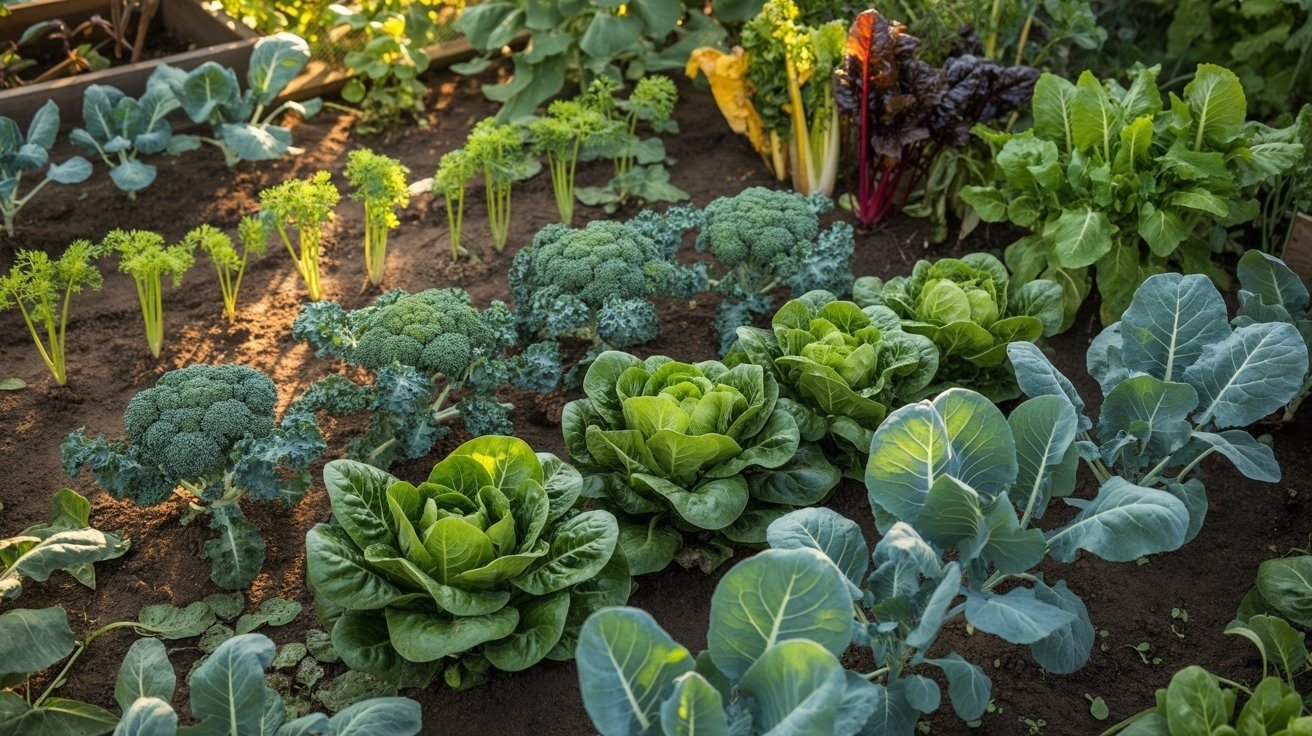
October is prime planting time. Transplant lettuce, spinach, kale, collards, broccoli, and chard when temperatures consistently stay in the 80s. These cool-season crops will grow through winter and produce for months. Direct sow carrots, radishes, and beets straight into the garden.
This is the best time to establish your fall and winter garden. The temperatures are perfect for growth. Plants establish quickly without extreme heat stress. Follow this zone 9b planting guide timing, and you’ll have fresh vegetables all winter long.
November

November offers great gardening weather. Direct sow arugula when temps are in the 70s-80s. Arugula grows fast, and you’ll be eating salads within weeks. If you have space, continue planting cool-season crops throughout the month.
This is the most pest-free time of year. Many insects are gone or less active in cooler weather. Your plants grow healthy without bug damage. Enjoy the easy gardening while it lasts.
December
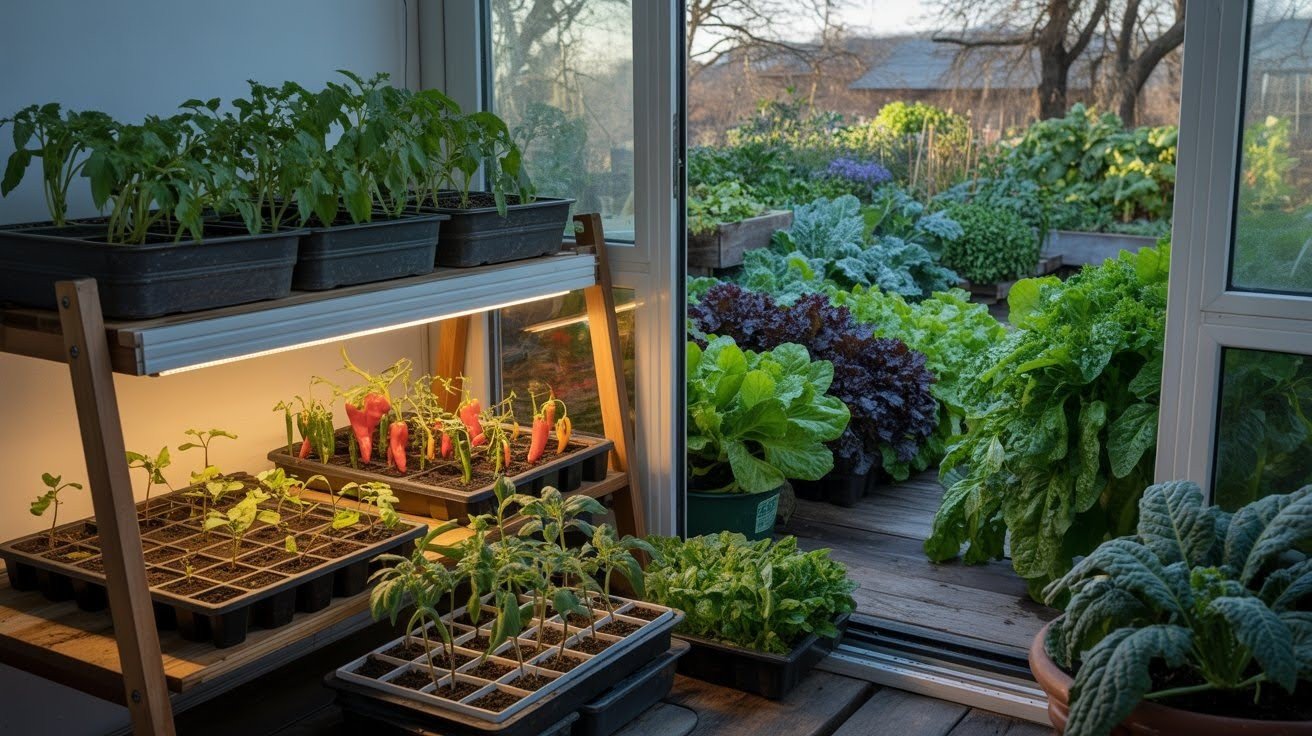
December starts your next growing cycle. Start seeds indoors for tomatoes, peppers, and chiles in early to mid-December. These will be ready to transplant outside in February. Getting a jump on spring planting means earlier harvests.
Keep harvesting your cool-season crops. They should still be producing well. Water your winter garden regularly since rainfall can be limited. Maintain your beds, and they’ll keep feeding you through the holidays.
Tips for Successful Zone 9b Gardening
Zone 9b gardening is different from other zones. The extreme summer heat and mild winters mean you need specific strategies to succeed.
- Start seeds indoors to avoid extreme temperatures and extend your growing seasons.
- Use shade cloth during the summer months to protect plants from intense sun
- Plant cool-season crops densely for better production (peas especially love growing close together)
- Pay attention to your specific microclimate and sun exposure vary greatly
- Water consistently, especially during hot months when the soil dries out fast
- Watch for pests like aphids on kale during warm weather
- Give plants more time if your garden has partial shade instead of full sun
- Keep heat-tolerant plants alive through summer for bumper fall crops
The biggest game-changer is starting seeds indoors. This simple step lets you control temperature and timing. Your seedlings get strong before facing harsh outdoor conditions.
Conclusion
Zone 9b gives you two great growing seasons each year. The cool season from fall through spring lets you grow leafy greens and root vegetables. The warm season from late winter through summer is for tomatoes, peppers, and squash.
Success comes from working with your climate, not against it. Summer is tough, but fall through spring is amazing. Many gardeners in other zones would be jealous of your mild winters.
Be flexible and adjust to your specific location. Every garden is different. Some spots get more shade, others more wind. Pay attention to what works in your yard.
Remember that starting seeds indoors changes everything. It protects young plants from extreme weather. This one habit will make you a much more successful gardener. Your zone 9b planting guide is now complete. Time to get growing!
Frequently Asked Questions
Can I Grow Year-Round in Zone 9b?
Yes, but in two distinct seasons. Cool-season crops grow from fall through spring. Some heat-tolerant plants survive summer with shade and extra water, but most take a break during extreme heat.
What’s the Difference Between Zone 9a and Zone 9b?
Zone 9b is slightly warmer than 9a. The minimum winter temperature in 9b is 25-30°F, while 9a is 20-25°F. This means 9b residents can plant warm-season crops a week or two earlier.
How Do I Protect My Plants From Frost in Zone 9b?
Frost is rare in Zone 9b. Wait until mid-February to transplant warm-season crops, after the last frost date. If frost is predicted, cover plants with sheets overnight. Most years, you won’t need protection.
Why Do My Seeds Fail When Planted Directly Outside in Summer?
Extreme heat kills seeds and seedlings. Soil temperatures above 85°F prevent germination. Start seeds indoors during the summer, where you control the temperature. Transplant them out when the weather improves or during monsoon rains.
Which Vegetables Survive Summer Heat in Zone 9b?
Some peppers, eggplants, and cherry tomatoes can survive with shade cloth and daily watering. Armenian cucumber and certain squash varieties tolerate heat. Keep them well-watered and provide afternoon shade for best results.